Glaucoma

Last updated: 13th May 2026

Overview

Glaucoma is a group of eye diseases that damage the optic nerve, which transmits visual information from the eye to the brain. This gradual damage can lead to vision loss or blindness if untreated. Glaucoma is known as the “sneak thief of sight” because it often progresses without symptoms until late stages. It affects people of all ages but is most common in adults over age 50 and is a leading cause of blindness worldwide.

It is believed that nearly 90% of glaucoma in India is undiagnosed and is believed to account for nearly 5.5% of all blindness in the country. In fact, India may be home to 20% of the world’s glaucoma population.
Who is at risk?

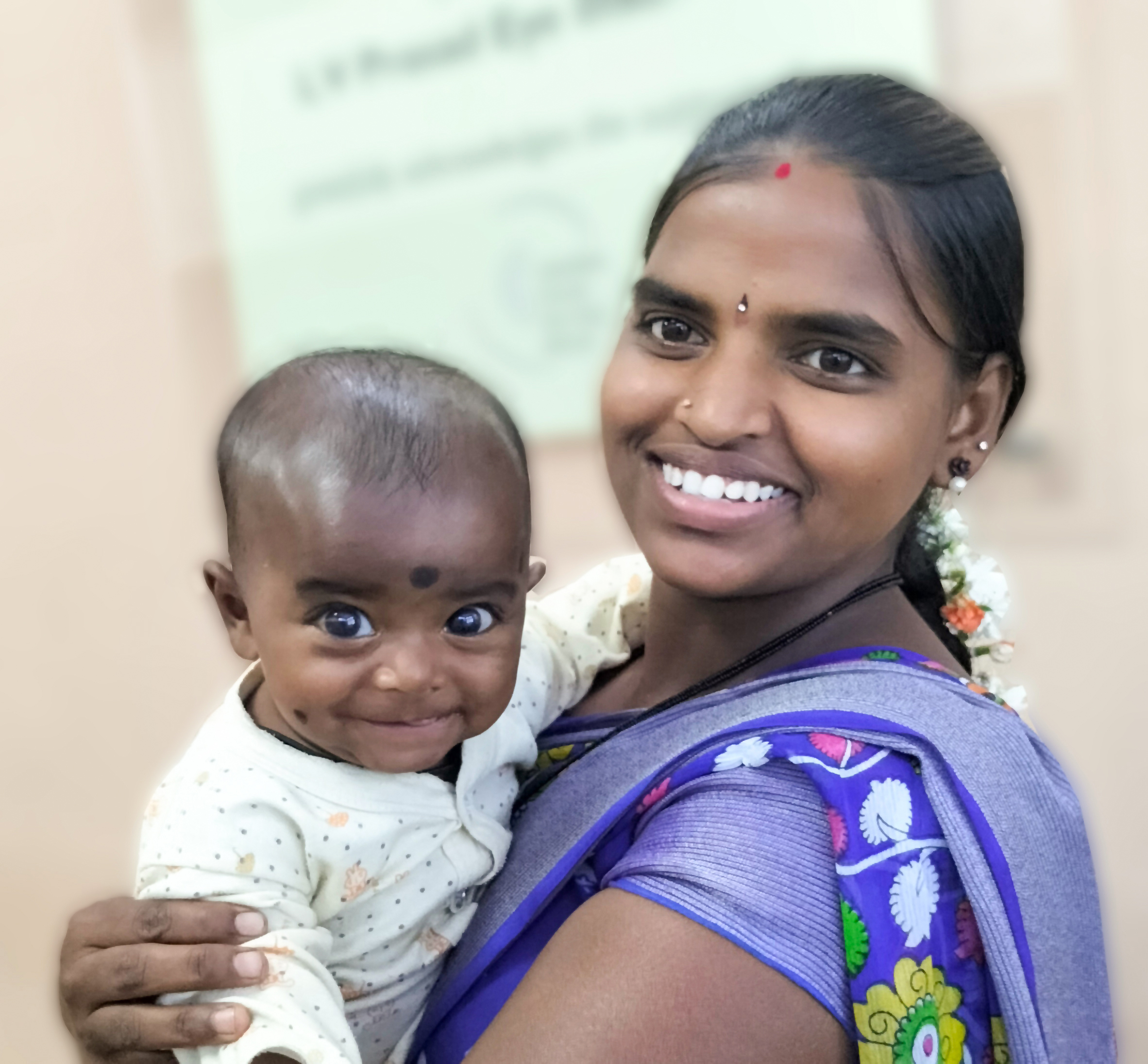
Varun and his mother

People with a family history of glaucoma must plan regular, comprehensive eye check-ups (those that include eye drops to check the back of your eye). Risk factors include:

  • Age over 60 years
  • High myopia, and in cases of angle-closure glaucoma (see below), hyperopia
  • African, or South Asian ancestry
  • Diabetes, high blood pressure, migraine, sleep apnea

  • Eye trauma or prior surgeries
  • Prolonged steroid use

Types of glaucoma

Glaucoma is estimated to affect about 1 in 30,000 people, and its prevalence varies by population; African and Asian ethnicities seem to be at a higher risk. [1]

  • Primary Open-angle Glaucoma
    This is the most common type of glaucoma that is diagnosed in India and South Asia. The anterior chamber, the space between the cornea and the iris, appears normal in patients with open-angle glaucoma, but the intraocular pressure—the pressure in the eye— increases due to slow drainage from the chamber.

    POAG is a chronic condition, has no early symptoms, but results in permanent damage to the optic nerve, leading to vision loss. Some patients have a variant called ‘Normal Tension’ glaucoma where no increased ocular pressure is apparent but there is notable damage to the optic nerve.
  • Angle-Closure Glaucoma
    In people with this condition, there is a pronounced closure of the anterior chamber as the iris has moved to block the flow of the eye’s fluids. It presents with sudden, acute vision loss. There may even be eye pain and nausea. Angle-closure glaucoma is of two types: primary and secondary. In secondary angle-closure, some other issue (like Uveitis) triggers the angle-closure.
  • Childhood Glaucoma
    Known also as congenital, developmental, or juvenile glaucoma, congenital glaucoma is a rare condition that is found in infants, children, or young adults. In its congenital form, any abnormal development of the eye’s drainage system in infants can trigger blockage of the drainage system, resulting in glaucoma. The prevalence of congenital glaucoma is about 1 in 3,300 births in India. [2]
  • Secondary Glaucoma
    Glaucoma that is triggered by other causes including, steroid use, or injury.

What are the symptoms?

Symptoms include:

  • Gradual loss of peripheral (side) vision

  • Blind spots in your vision

  • Eye pain, headache, redness (mostly in angle-closure glaucoma)

  • Blurry vision, halos around lights

  • In babies: Cloudy eyes, larger than normal eyes, excessive tearing

Most types, especially open-angle glaucoma, do not cause pain or early symptoms, making regular eye exams essential.

Treatment options

Treatment aims to lower intraocular pressure and prevent further nerve damage. Vision lost to glaucoma cannot be restored, but the condition’s progression can be slowed or stopped.

  • Medications: Daily eye drops to reduce eye pressure; beta blockers, prostaglandin analogs, and other such medication may be prescribed to treat
  • Laser Therapy: Used in open-angle, angle-closure, and some secondary types.
  • Surgery: Procedures to improve fluid drainage, especially if medications and lasers aren’t enough.
  • Lifestyle Adjustments: Protecting eyes, reviewing medications with your doctor, managing chronic conditions.

Frequently Asked Questions

Untreated or neglected glaucoma can lead to blindness. However, blindness from glaucoma is rare with proper management. Early diagnosis and treatment are vital.

A comprehensive eye exam at regular intervals is critical for the diagnosis and management of glaucoma. The exam includes measurement of eye pressure, optic nerve assessment, and a visual field test.

Yes, but it may have minor side effects. Iridotomy, the laser treatment, is performed often for open-angle glaucoma and in emergency angle-closure glaucoma to relieve the pressure. The laser is used to create a tiny puncture in the iris to drain the eye’s fluid out.

We do not fully understand what causes glaucoma. However, maintaining overall health including not smoking, regulated blood sugars, and a healthy weight can be beneficial. 

Some discomfort is normal, but vision usually stabilizes soon. Regular monitoring is needed to track pressure and prevent further damage. 

[1] People of African descent have the highest prevalence of Primary Open-Angle Glaucoma (POAG), while those of Asian descent are most at risk for Primary Angle-Closure Glaucoma (PACG). See The Lancet Global Commission on Global Eye Health, 2021
[2] See “Profile of childhood glaucoma at a tertiary center in South India”, by Sirisha Senthil and others. PMID: 30777953