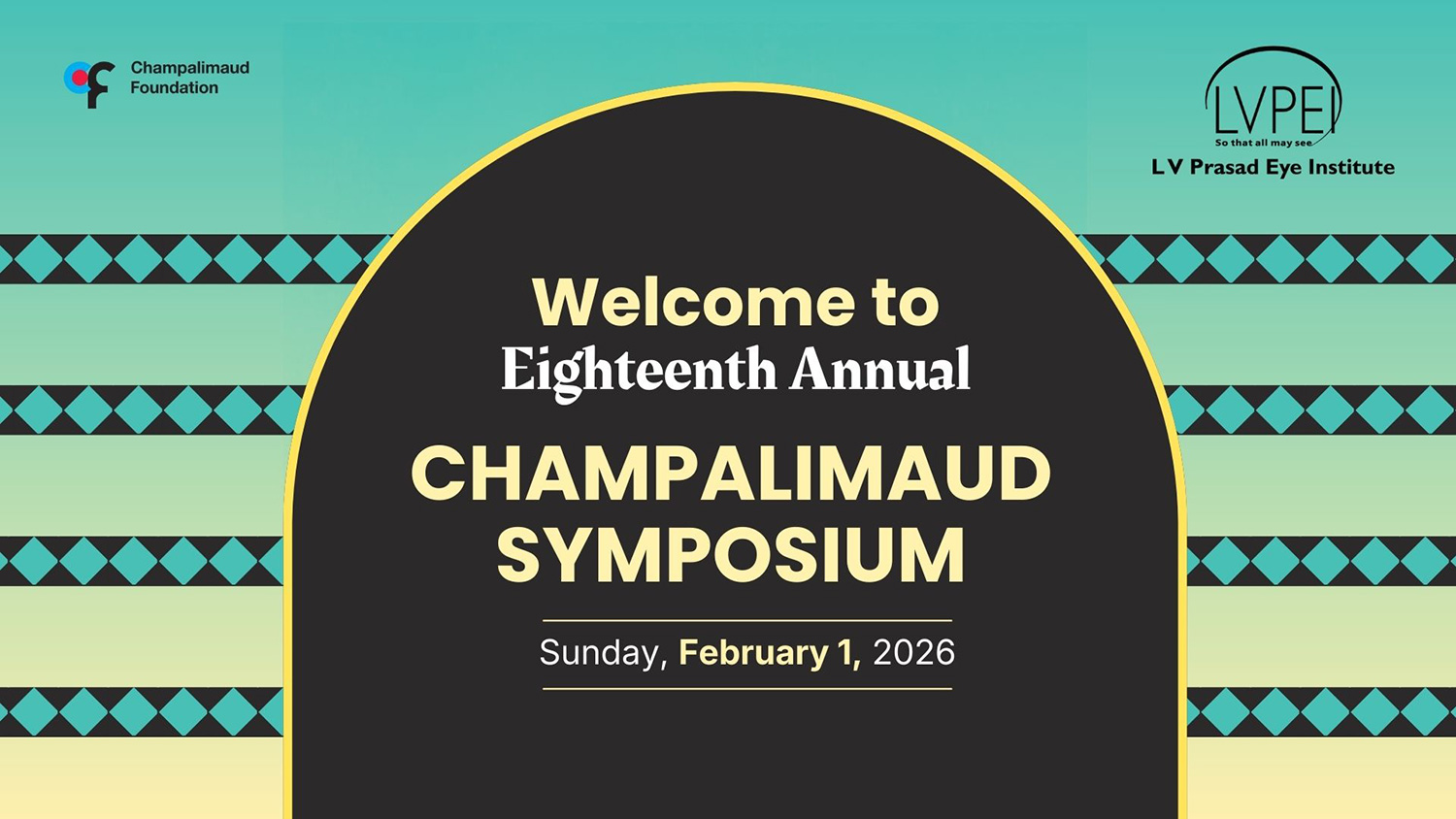


The 18th Champalimaud Foundation symposium at LVPEI was marked on 1st February 2026, a Sunday. The event marks the Champalimaud Foundation’s 20th anniversary. This annual symposium is a key event in the calendar of both the institutions. The Champalimaud Foundation, based in Lisbon, Portugal, is a global leader in scientific and technological innovation. The Foundation aims to bring translational, interdisciplinary clinical care to the many in need of such solutions. LVPEI has been a key partner and beneficiary of the Foundation through a long-standing research collaboration, the Champalimaud Translational Centre for Eye Research (C-TRACER) first established in 2007.
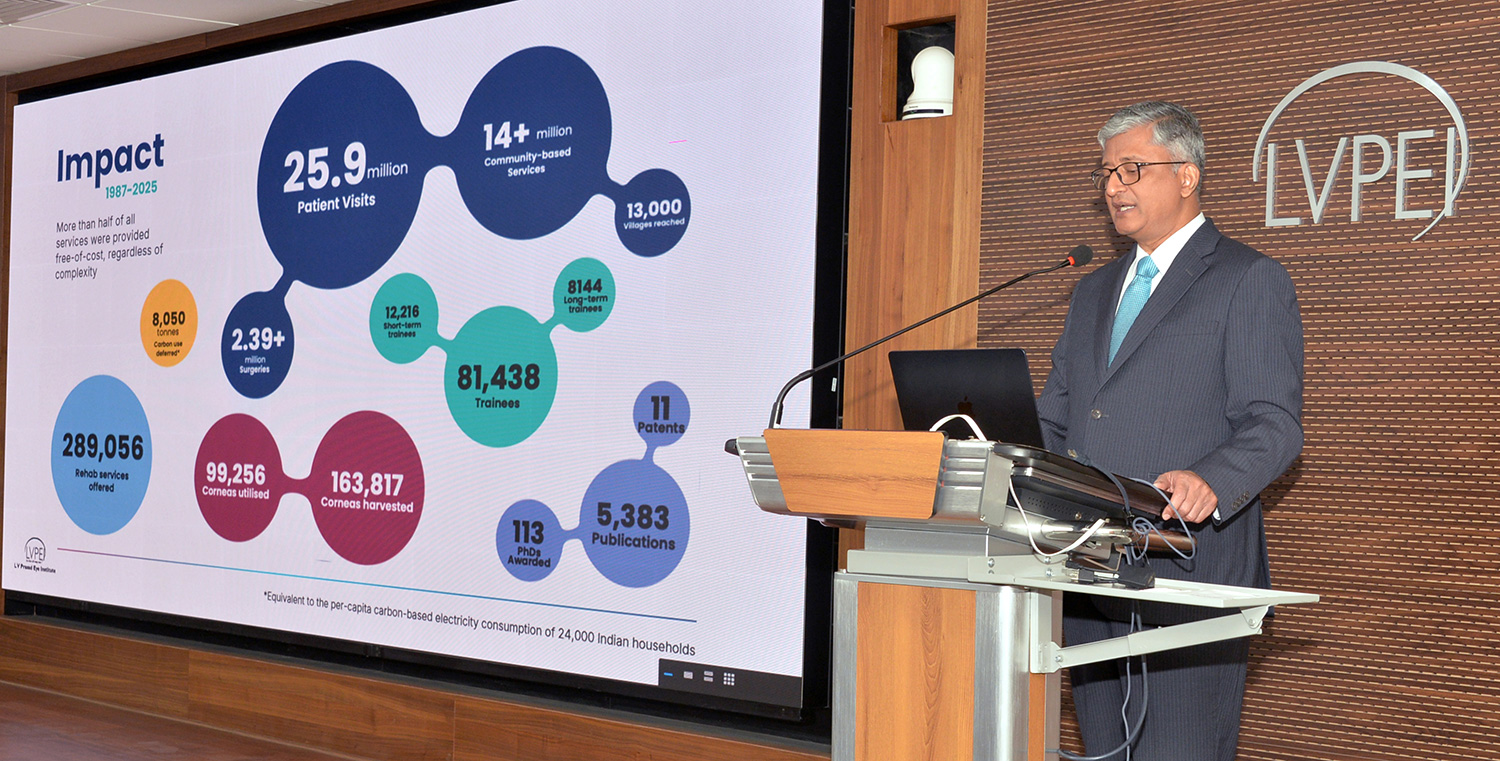
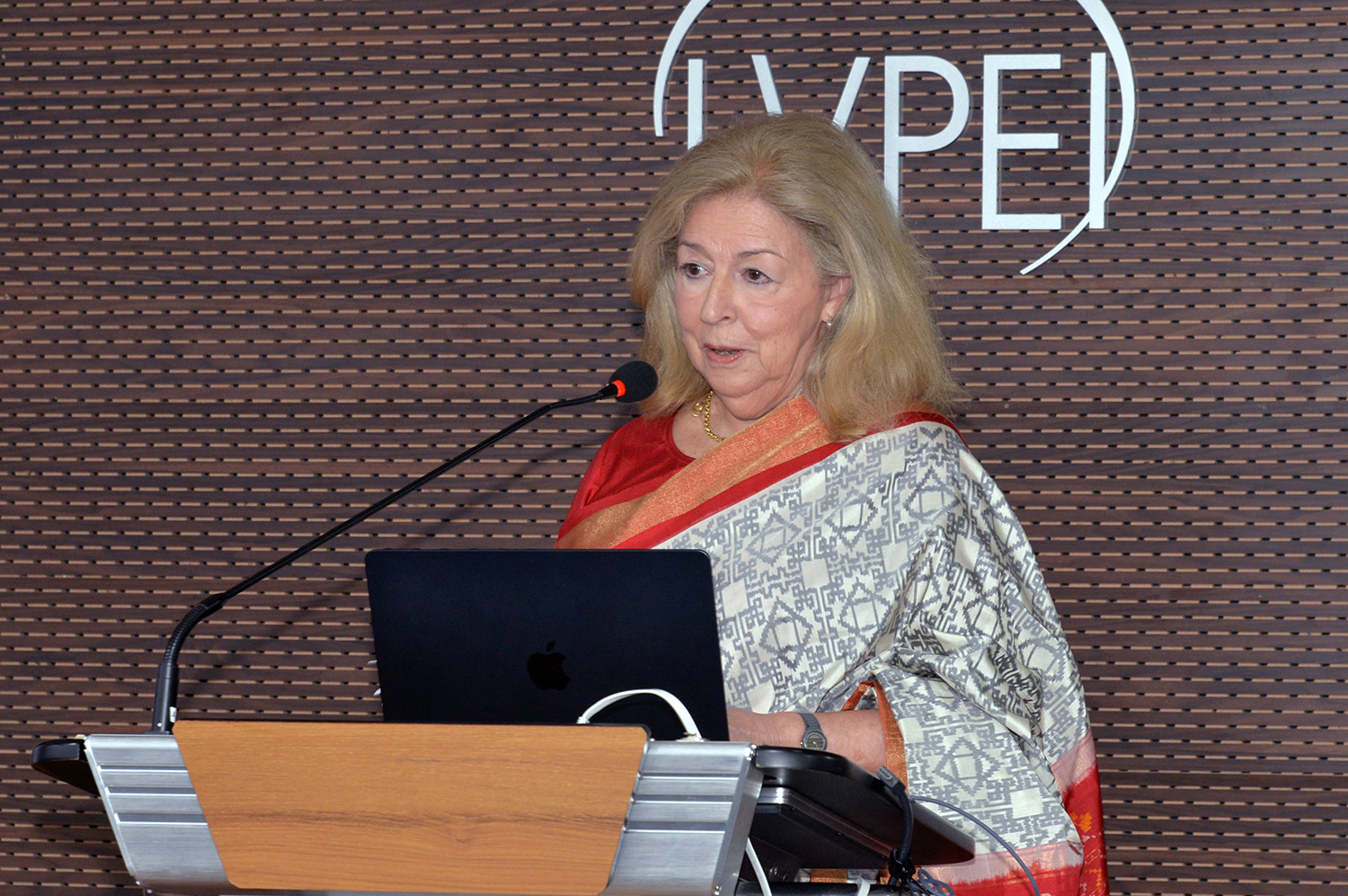
C-TRACER aims to take research insights into clinical and community practice. The annual symposium is then a showcase for the various research projects at LVPEI that are at various stages of this journey. The inaugural session saw presentations from LVPEI’s Founder Chair, Dr Gullapalli N Rao and the Executive Chair, Dr Prashant Garg, who highlighted LVPEI’s history of rich engagement with the Foundation and the organisation’s growth over the years, respectively. The inaugural included a presentation by Dr Leonor Beleza, who showcased the Foundation’s disruptive investments in patient care. She showcased the CF Cell Center and advanced GMP facility, and discussed their work with immune cell therapies, including Tumor-Infiltrating Lymphocyte (TIL) therapy for tackling ovarian, gastric, and esophageal cancers. Dr Beleza noted that the Foundation’s early lessons were from LVPEI. She noted that quality and equity must be in creative tension, and that both organisations refuse to accept the norm.
Keynote lectures
In 2026, the event included two keynote lectures, by Dr Prithvi Mruthyunjaya, the Alan Adler Professor of Ophthalmology at Stanford university and Dr Nathan Congdon, Professor, School of Medicine, Dentistry and Biomedical Sciences, Queen's University of Belfast.
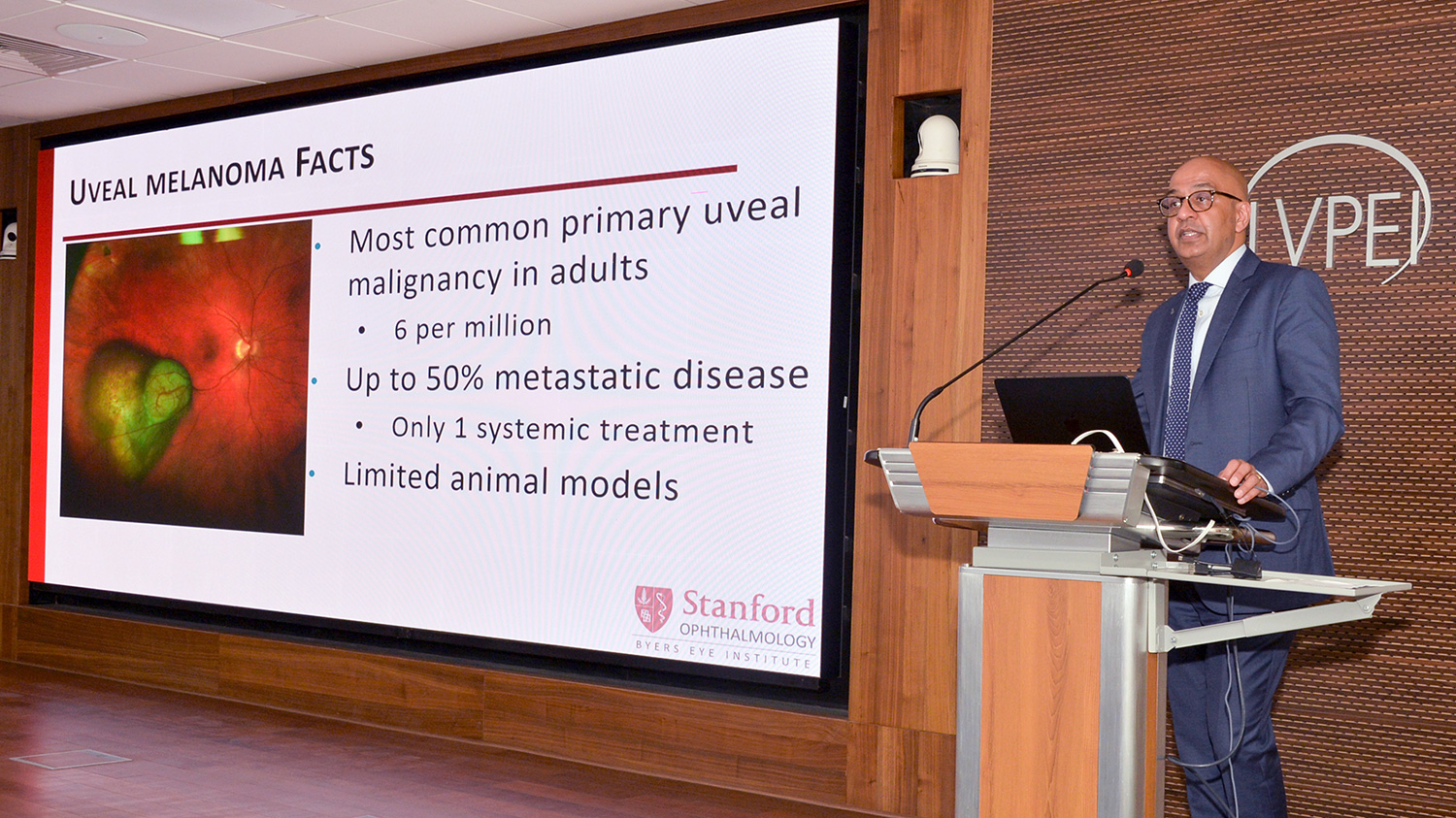
Dr Mruthyunjaya discussed his work around proteomics, and his lab’s work in developing a ‘liquid biopsy’ for uveal melanoma, a common ocular cancer in European populations. He noted that protein markers from the tumour may leak into the vitreous in the inner eye, from there to aqueous in the front part of the eye, and perhaps even the blood stream. This sets the stage for liquid biopsies, where these liquid samples are tested for cancer markers, saving a lot of time and effort in collecting tissue samples from within the eye.
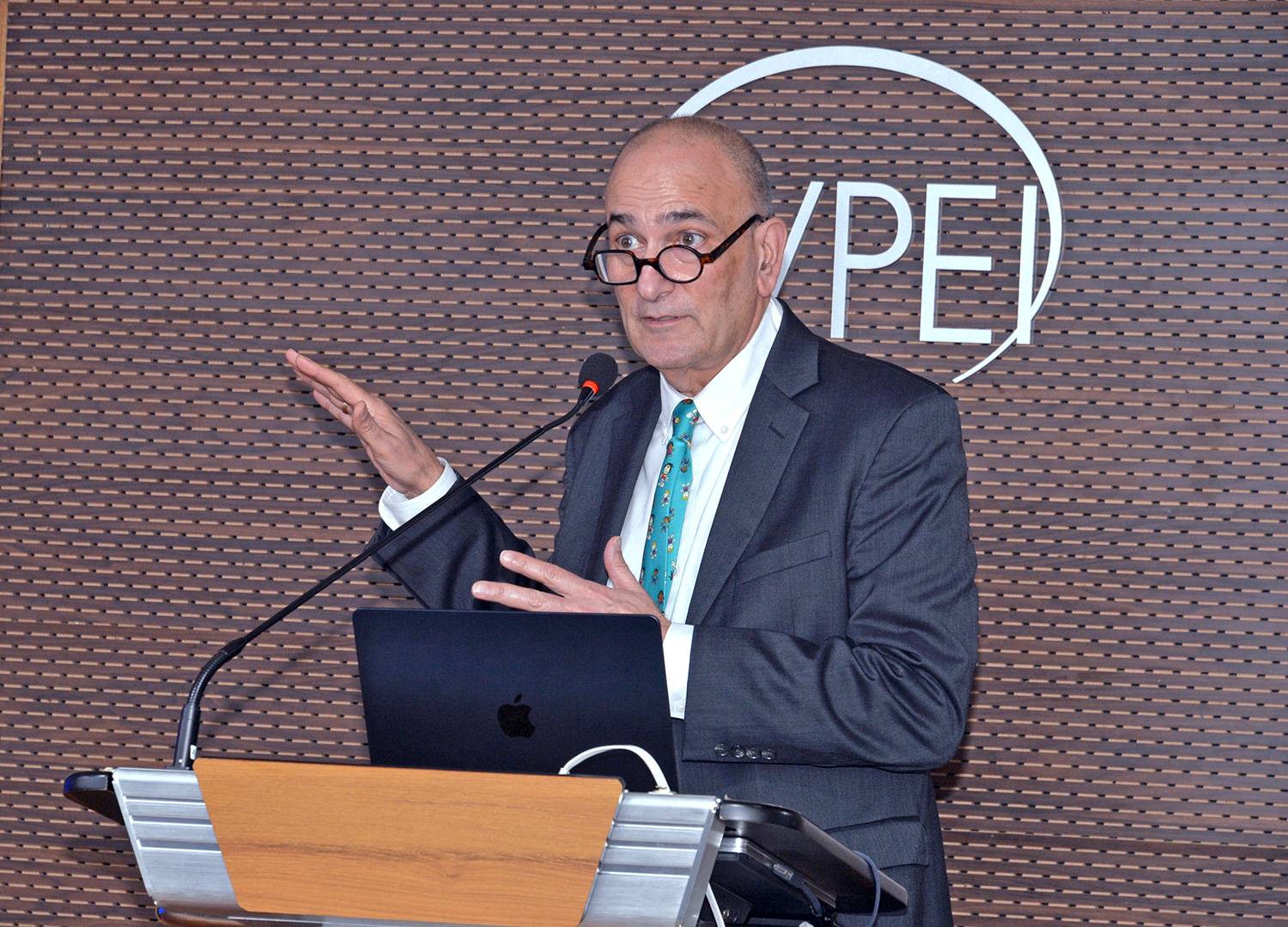
Dr Congdon showcased two key components of his ‘Eyecare Nurtures Good-health, Innovation, driviNg-safety and Education’ (ENGINE) initiative; RAIDERS in Rwanda and ‘THRIFT’ in Bangladesh. RAIDERS is looking to see if Artificial Intelligence tools will improve the uptake of Diabetic Retinopathy services in Rwanda. THRIFT is seeing if correcting for presbyopia improves financial autonomy among the elderly poor in Bangladesh.
In addition, the symposium included a special lecture by Dr Alex Levin, Professor of Ophthalmology and Chief of Ocular Genetics, Flaum Eye Institute. Dr Levin outlined a central mystery about glaucoma following a cataract surgery (GFCS): GFCS in adults incidence is 3-5%; in children, the incidence is 50%! We do not yet know why.
The Champalimaud Oration
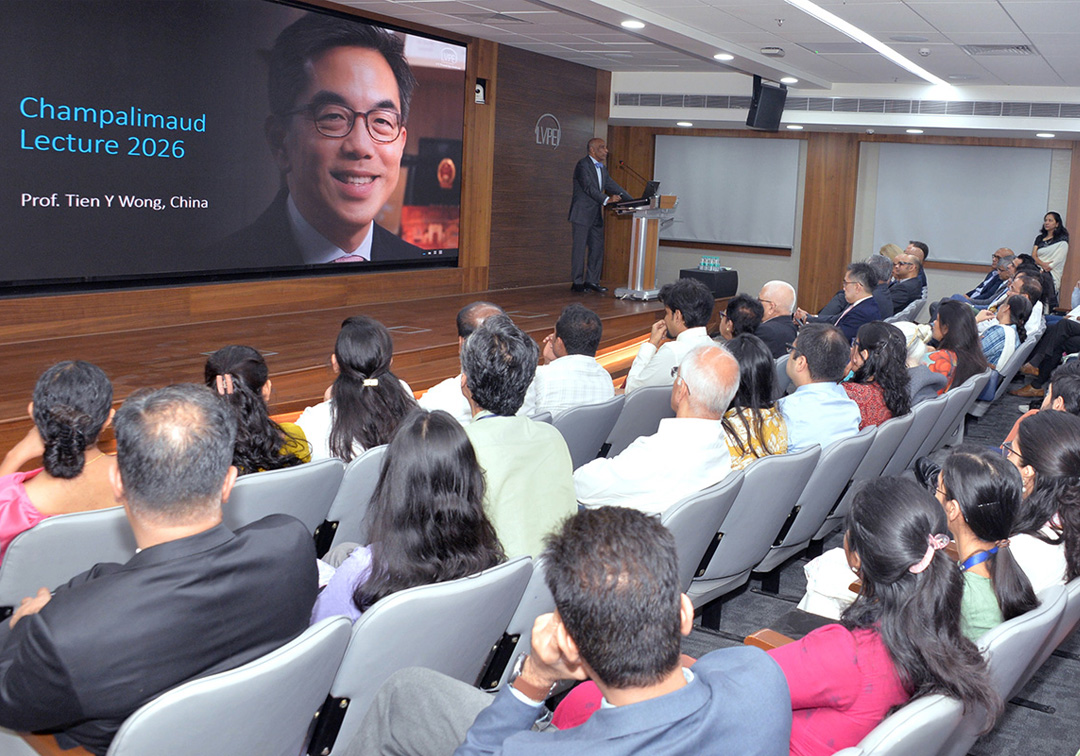
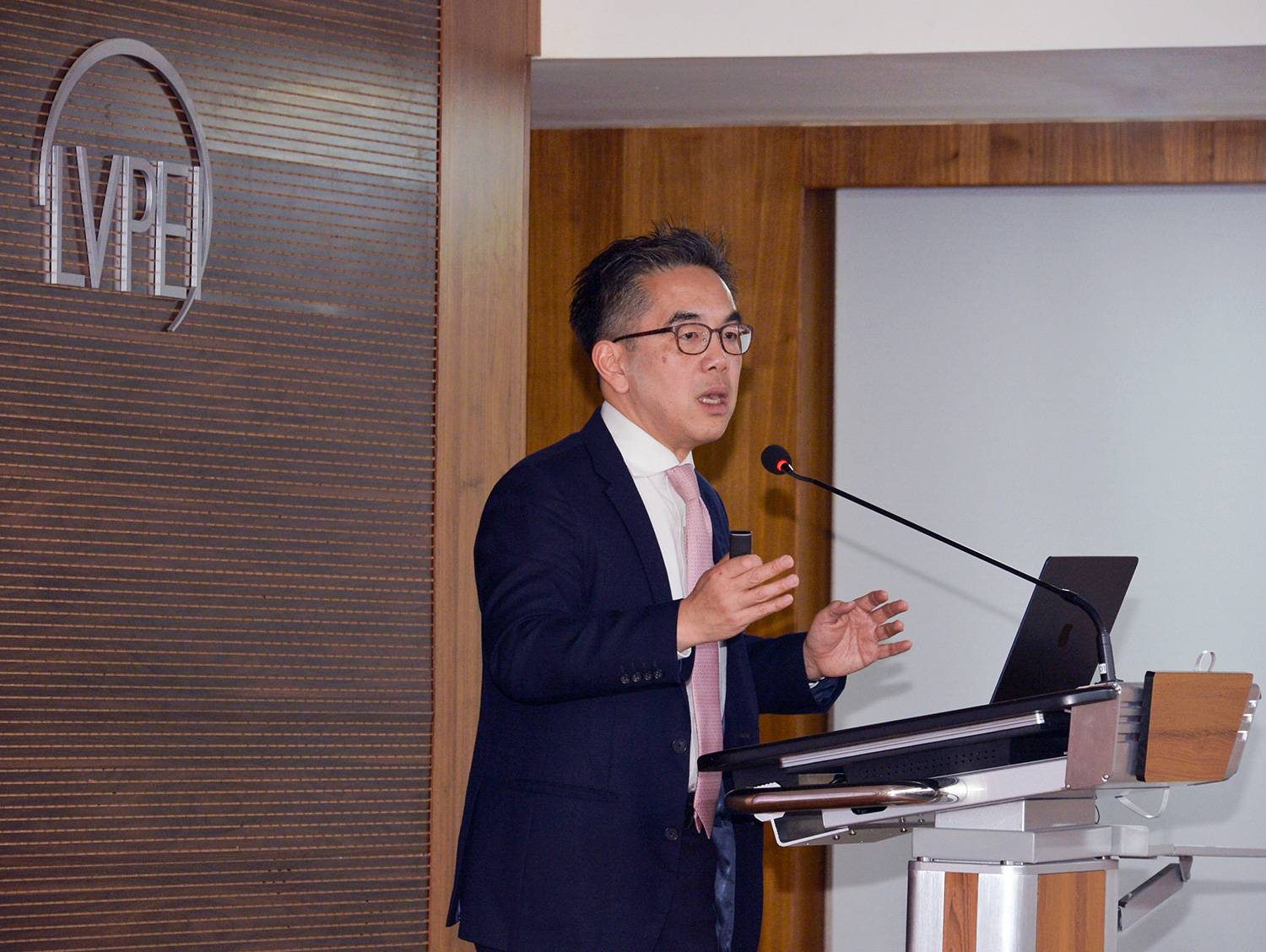
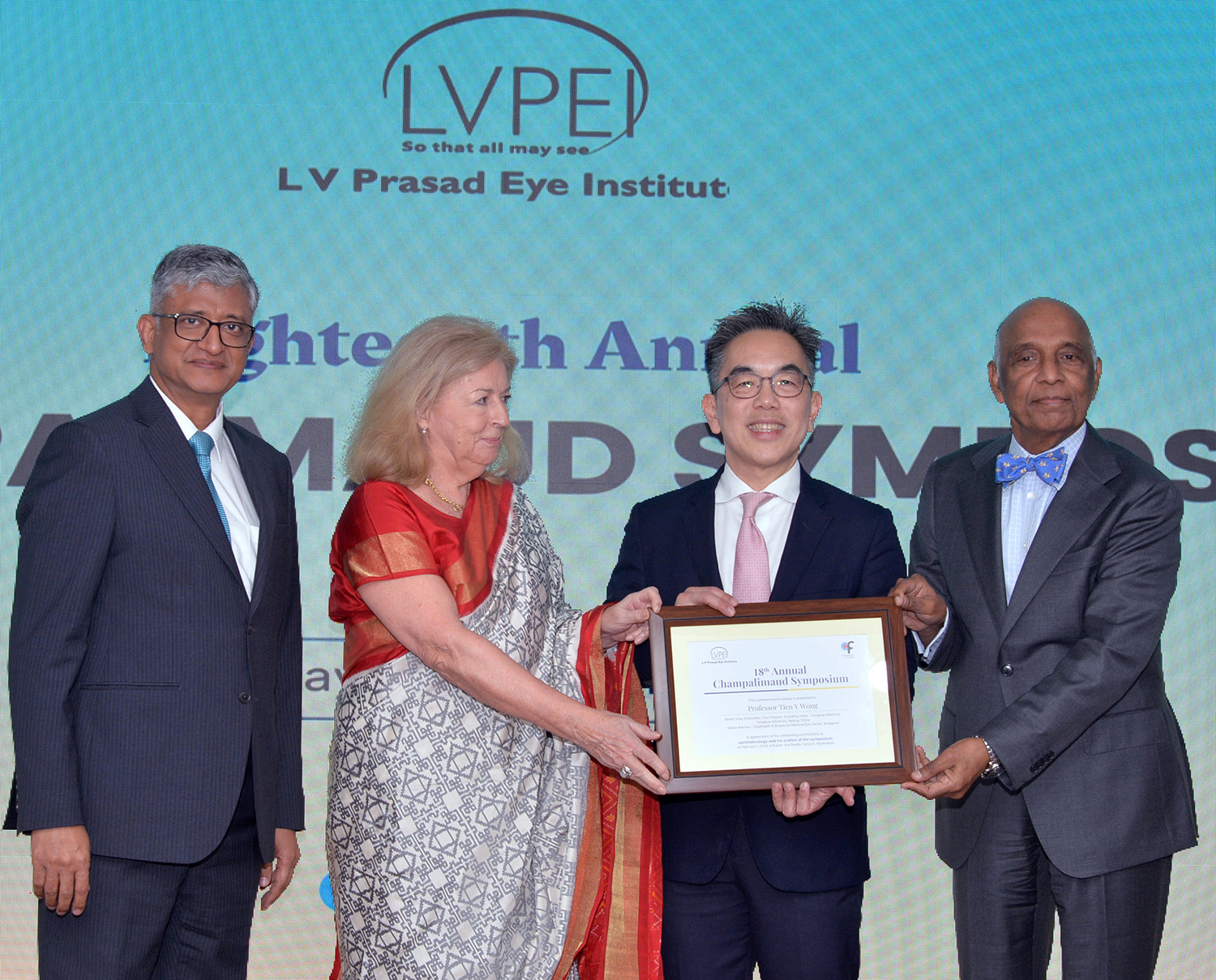
The 18th Champalimaud Oration was delivered by Dr Tien Y Wong, Senior Vice-Chancellor, Vice-Provost, Founding Head - Tsinghua Medicine, Tsinghua University, Beijing, China; and Senior Advisor - SingHealth & Singapore National Eye Center, Singapore. Dr Wong’s oration focused on the question; how do we prepare ophthalmologists for the AI era? He noted that clinics of the future will look nothing like the present ones and will require re-skilling and de-skilling by our doctors. This reality will play out in the context of increasing and significant disparities in health care access, along with increasing costs all predicated upon having too few doctors.
Dr Wong then outlined the history and megatrends of artificial intelligence tools over nearly two decades. He noted the steady progression from preliminary artificial intelligence research to machine learning, and then on to ‘Deep learning’. He discussed the emergence of reasoning-based large language model ‘agents’ and the promise of AI tools that can work across the care pathway: screening, diagnosis, to prognosis and monitoring.
He also noted the ‘failure’ of AI uptake in clinical, and ophthalmic practice. With powerful examples that showed that human behaviour impedes 'best practice', he also discussed many issues including lack of validation in third-world scenarios. He emphasized on the need to build ‘trust’ and to teach new ophthalmologists on using effective AI tools to improve patient outcomes.
Showcasing LVPEI
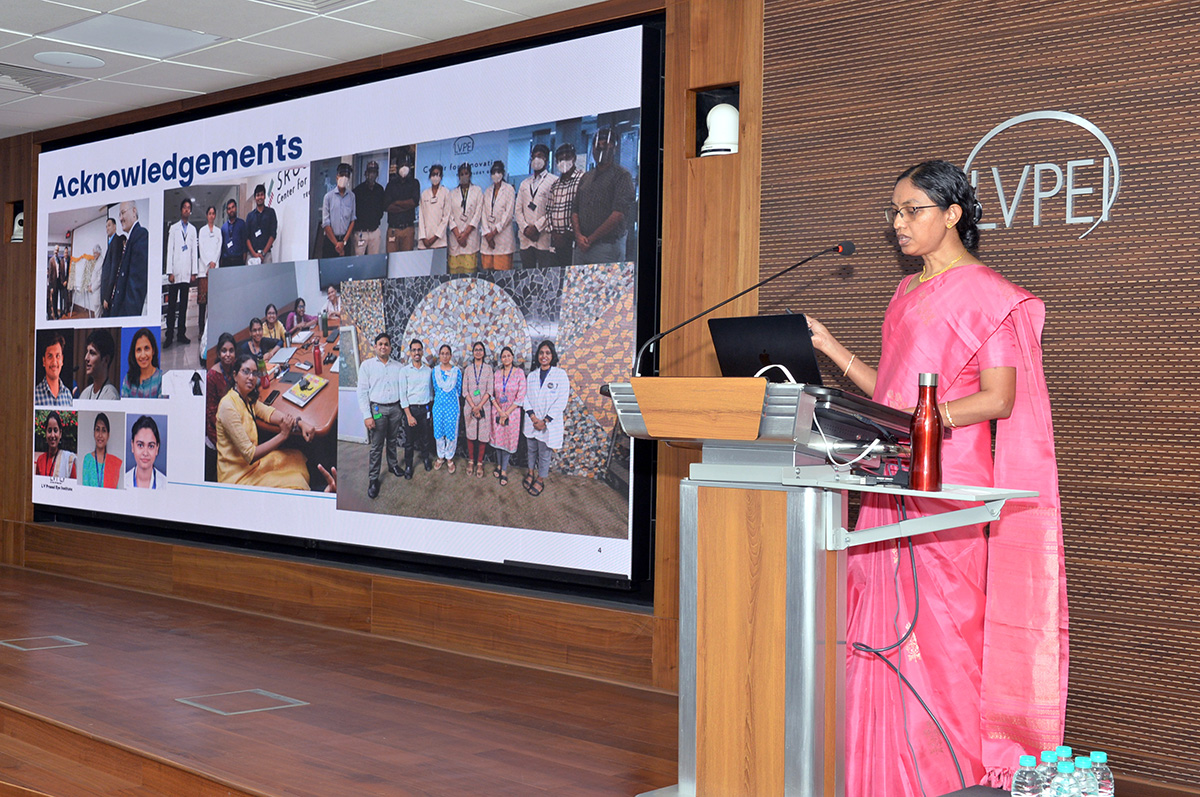
Several researchers from LVPEI showcased their work on the day. Spread over three scientific sessions, eight LVPEI clinician-scientists discussed care practice, tissue and cell research, pharmacology and public health.
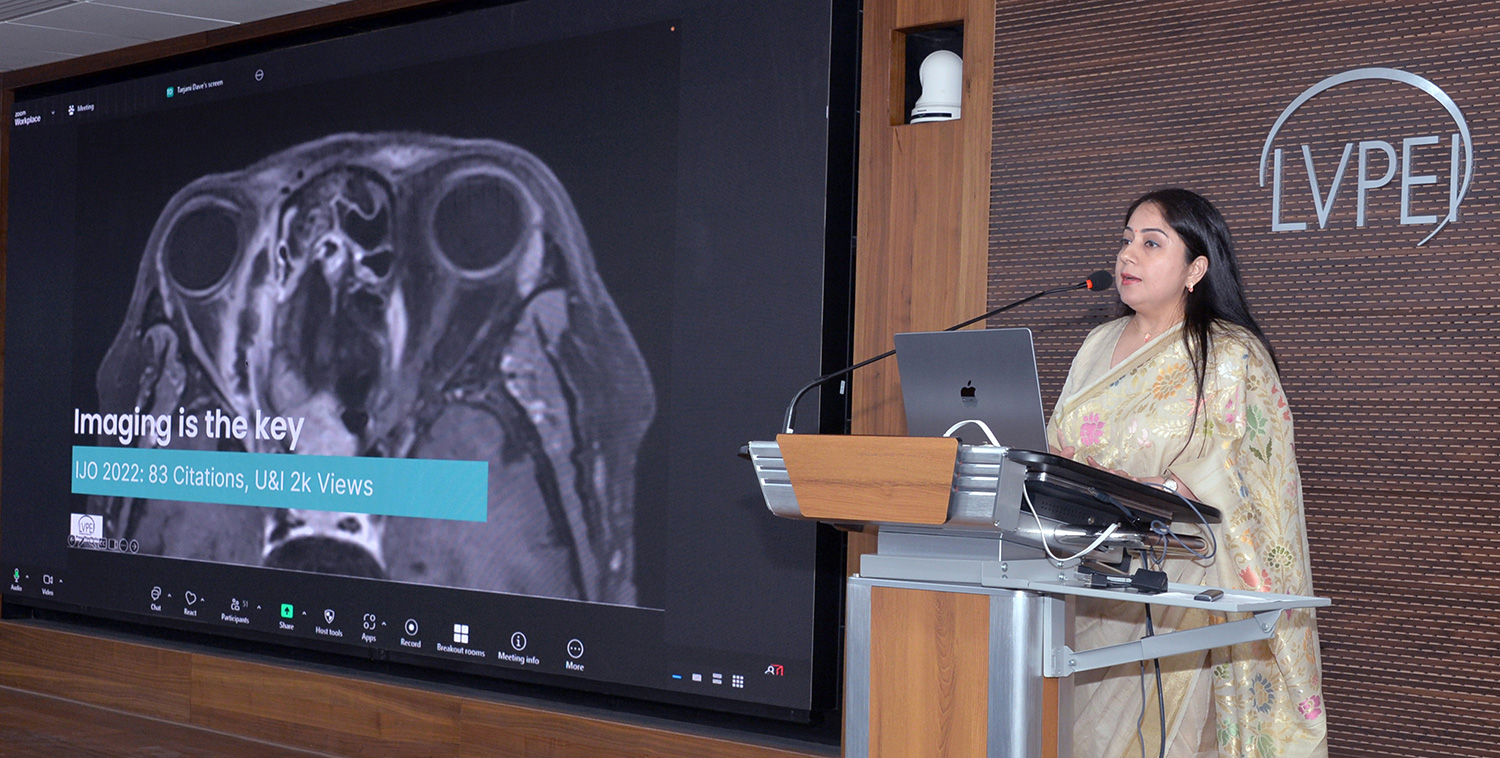
In session one, Dr Tarjani Dave discussed the orbit preserving technique she developed for patients with mucormycosis, outlining the methodical takedown of treatment dogma with evidence-based changes using contrast-enhanced MRI, improving both orbit preservation and survival rates among patients with ocular mucormycosis. Dr Tapas Padhi showcased the LVPEI Birth to ROP Study, a prospective study uncovering the sequence of events from birth to the development of Retinopathy of Prematurity. He notes that it is changing our understanding of the disease from a postnatal condition to one that is dependent on antenatal factors including maternal anemia for onset.
In session two, Dr Swati Singh walked the audience through her work in deciphering the complexity of the lacrimal gland using OMICs. Dr Sanhita Roy discussed the promise of a host defence peptide ‘fragment,’ SA-XV, in colocalizing with fungal DNA to destroy it. Dr Saumyava Basu noted that in chronic Uveitis, immune memory plays a vital role. He discussed the role of tissue resident memory cells as the nucleus of future inflammation in the eye, and the role of ‘liquid bopisies’ of the vitreous in noting their presence.
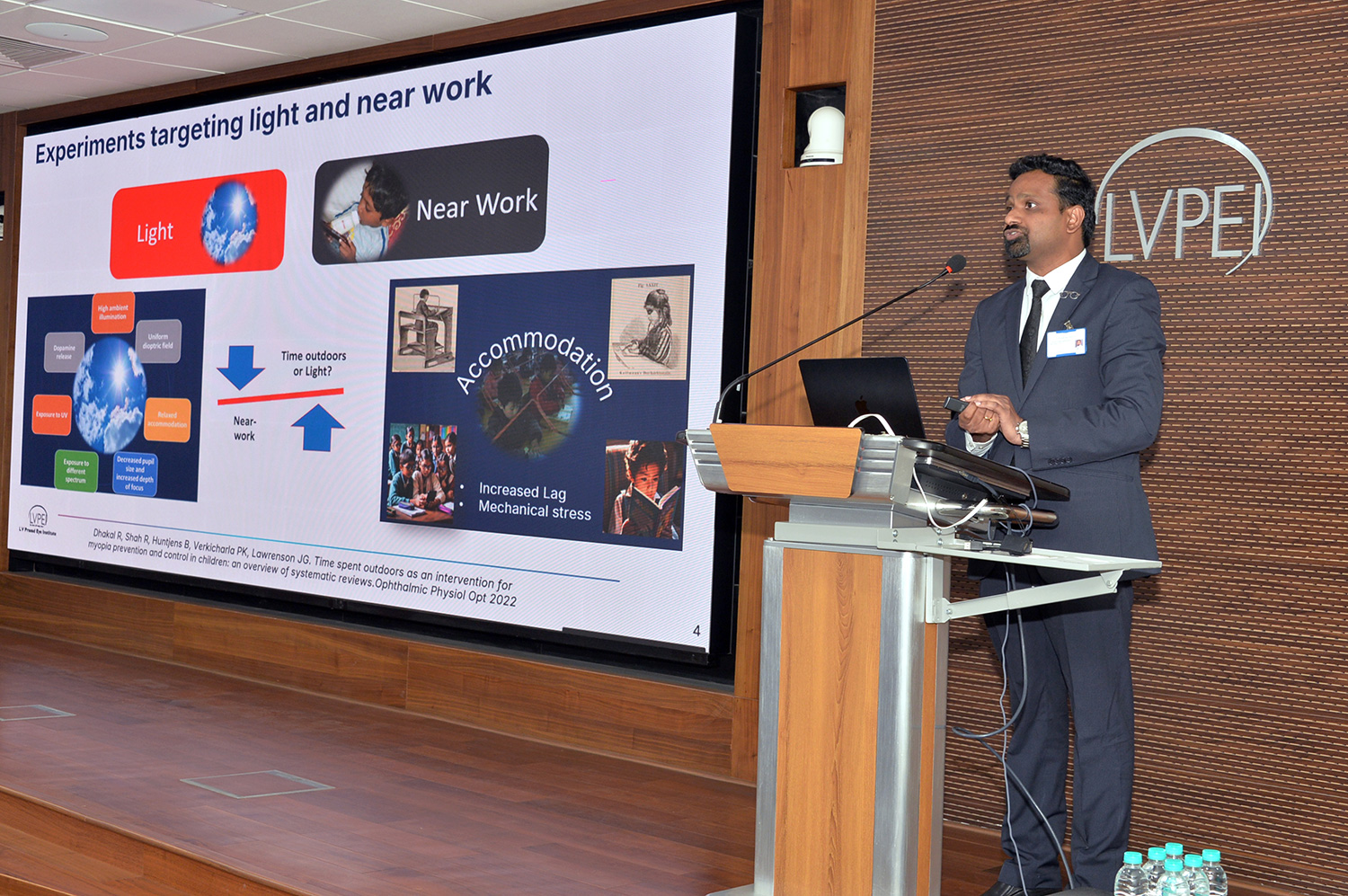
In session three, Dr Pavan Verkicharla identified the ambiguous role of screens in short-term spikes in an eye ball’s axial length, noting his ongoing research on Myopia. Dr PremNandini Satgunam showed the value of a convolutional neural network with heuristic filters in shortening frame analysis of babies’ visual function. Dr Srinivas Marmamula discussed the latest findings from his population-based studies on ageing and vision loss. He noted that posterior capsule opacification, a side-effect of cataract surgery, is a key, treatable cause of vision loss in rural populations.