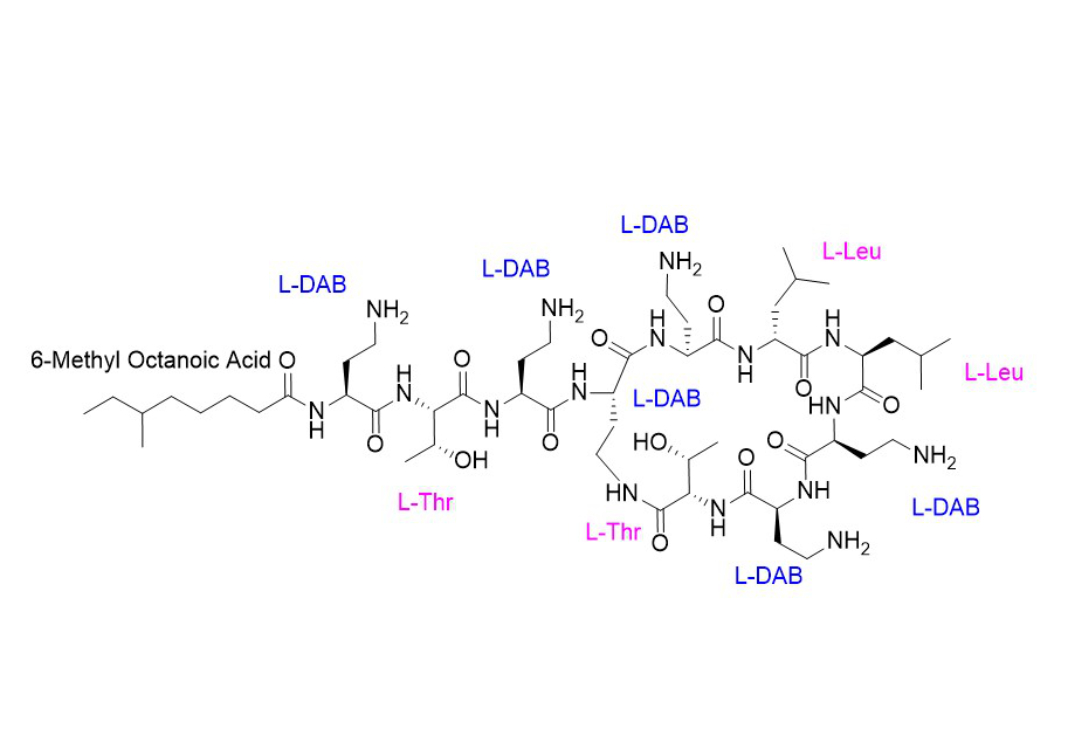


In a new study, Taraprasad Das and colleagues from LVPEI analyse multidrug-resistant bacterial infections seen in endophthalmitis cases after cataract surgery. They note the growing presence of antibiotic-resistant P aeruginosa—and the growing dependence on colistin, a last-line antibiotic.
When an eye infection develops after surgery, the recovery threshold depends on how well the infecting pathogens respond to antibiotics. Antimicrobial resistance (AMR) ─ a phenomenon where microbes develop resistance against the very drugs designed to kill them ─ is one of our topmost public health threats. The WHO has declared AMR a ‘silent pandemic’ and warns it could cause up to 10 million deaths annually by 2050. Take Pseudomonas aeruginosa, a “priority 1” pathogen with an extraordinary ability to develop AMR. An effective antibiotic treatment is a necessity against such pathogens, especially for eyes that are vulnerable to postoperative infections that progress rapidly and turn routine, sight-saving surgeries into blindness-causing incidents.
Endophthalmitis is a sight-threatening infection of the eye that may occur after cataract surgery. The condition can worsen within days and requires early and urgent intravitreal antibiotic treatment (an antibiotic is injected into the gel-filled cavity of the eye). Standard treatment involves injecting a combination of two antibiotics –vancomycin (a glycopeptide; works best against gram-positive bacteria) and ceftazidime (a cephalosporin, which is effective against gram-negative bacteria) before identifying the actual organism. However, gram-negative bacteria (GNB), especially Pseudomonas aeruginosa, are now increasingly resistant to ceftazidime. The Endophthalmitis Management Study (EMS), a randomised clinical trial from India, was initiated to improve endophthalmitis management. One of its objectives was to develop treatment strategies for Gram-negative bacteria with rising resistance against ceftazidime.
In a new report published in Retina, researchers from LVPEI analysed 410 post-cataract endophthalmitis patients pooled from the EMS and identified 32 cases of multidrug-resistant (MDR) infections, affecting men and women equally. Of these, 28 were caused by gram-negative bacilli (rod-shaped bacteria) and 4 by gram-positive cocci (spherical-shaped bacteria). The researchers noted that P. aeruginosa alone accounted for 18 of the 28 gram-negative cases. The team tested the MDR bacterial isolates against a wide panel of antibiotics. They noted that 26 of the 28 cases (92.9%) were resistant to fluoroquinolones, 11 (39.3%) were resistant to ceftazidime, and 5 showed resistance to colistin, a last-line antibiotic.
After receiving EMS-guided treatment, it was noted that 3 eyes developed phthisis bulbi (globe loss), 15 eyes showed no visual improvement, and 3 eyes showed good vision (20/40 vision). When the researchers compared treatment outcomes, they noted that no globe loss occurred with colistin. While colistin was effective in a majority of cases, the findings also revealed resistance in a few isolates along with decreased susceptibility to other GNB-targeting antibiotics. The authors recommend that vancomycin and colistin remain treatment options in India, reserved only for life-threatening or organ-threatening infections. As AMR cases continue to rise and our last-resort antibiotics begin to falter, are we ready for a future that cannot guarantee recovery?
'The study highlights a concerning emergence of resistance even to last-line antibiotics. We will need to carefully shepherd our most effective antibiotics, while continuing to monitor resistance patterns in endophthalmitis cases. However, this is an urgent call to find effective alternatives even as we calibrate our treatment strategies to this new reality’, notes Dr. Taraprasad Das, Vice Chair Emeritus of LVPEI and the first author of this paper.
Citation
Das T, Belenje A, Joseph J, Pandey S, Pandya D, Behera UC, Dave VP. Clinical and microbiological characteristics of multidrug-resistant acute bacterial endophthalmitis after cataract surgery. Endophthalmitis Management Study Report # 8. Retina. 2025 Oct 1. doi: 10.1097/IAE.0000000000004696. Epub ahead of print. PMID: 41111240.
Photo credit: Polymyxin E (Colistin), Wikimedia Commons, CC BY 4.0