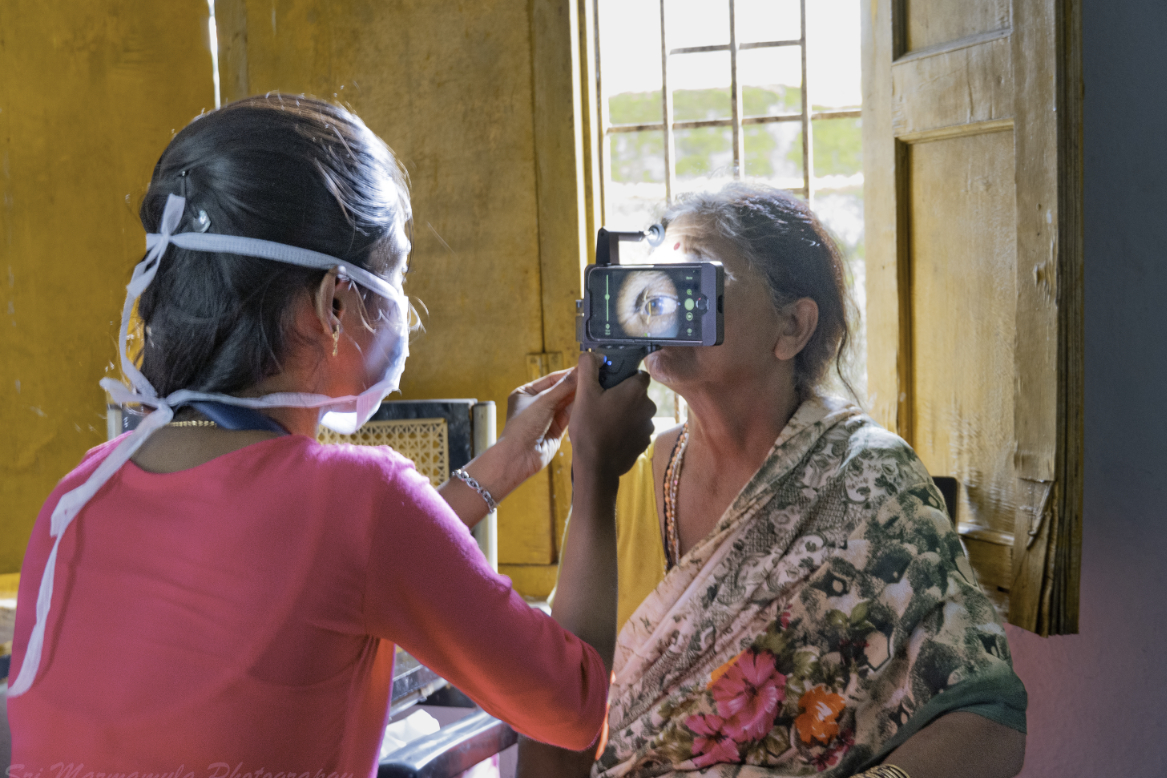


Debananda Padhy, Rohit C Khanna, Srinivas Marmamula and others from LVPEI report from the Andhra Pradesh Eye Study Disease III that advancing age, diabetes mellitus and cataract type are significant risk factors of incident cataract surgery.
There is a concerted effort by many famous eye care networks to arrest vision impairment due to cataract in India. Most cataracts develop with age, when the eye’s lens becomes cloudy, eventually impairing vision. The solution is a simple, low-cost surgery that replaces the clouded cataract with an intraocular lens; cataract surgery is today one of most cost-effective and commonly performed surgeries in the world. Yet, cataract remains the leading cause of blindness in India. As life expectancy increases and the population ages, the burden of cataract also continues to grow. One bottleneck is that cataract surgery requires significant investment in trained ophthalmologists, well-equipped clinics, and operating theatres. To understand whether eyecare services are keeping pace with this growing demand, long-term population-based data are crucial.
In 1996, researchers from LVPEI set out to map the burden of vision loss and ocular disease through a large, population-based epidemiological study in South India. The result, the Andhra Pradesh Eye Disease Study (APEDS), involving 10,293 patients across rural Andhra Pradesh and Telangana, became one of the most comprehensive eye health studies to be conducted in the developing world. The study carried out in three phases over 15 years sheds light not just on disease prevalence, but also on how healthcare systems function over time. APEDS III (2016) helps us understand how many new cataract surgeries have been performed in this population—the incidence of cataract surgery - providing insight into the number of procedures likely to be performed each year. This is vital for understanding uptake of these services against the growing burden of cataract.
In a new study published in the British Journal of Ophthalmology researchers Debananda Padhy, Rohit Khanna and colleagues from LVPEI examined 2,576 patients aged 30 years and above at baseline (APEDS I) from 3 rural cohorts. Sociodemographic variables like gender, education, BMI, smoking, alcohol habits, and geographical location were documented alongside clinical factors like type of cataract, diabetes status and hypertension. Over the follow-up period (15 years), 452 individuals underwent cataract surgery, corresponding to a cumulative incidence of 17.5%, meaning 1 out of 6 adults underwent surgery.
The findings showed that increasing age, diabetes, or those with certain cataract types identified at the start of the study (APEDS I) — among participants who had not undergone treatment were more likely to seek cataract surgery. Among adults aged 40 years and above, the annual incidence of cataract surgery was 1.89% (that is roughly 2 out of every 100 individuals). While the cumulative incidence rate reflects the number of people who underwent surgery over 15 years, the annual incidence estimates how many new surgeries may be required each year. For healthcare systems, this helps with strategic planning of resources to meet the rising need for cataract treatment.
‘This longitudinal cohort study provides important evidence on the increasing demand for cataract surgical services in rural India. The results may guide targeted service delivery, resource allocation, and public health planning to reduce preventable blindness by identifying important demographic and clinical risk factors linked to incident cataract surgery’, notes Debananda Padhy, assistant optometrist at LVPEI and first author of the paper.
Citation
Padhy D, Khanna RC, Marmamula S, Mettla AL, Giridhar P, Banerjee S, Shekhar K, Chakrabarti S, Rao GN. Incidence and factors associated with incident cataract surgery in a rural population in the Indian state of Andhra Pradesh: findings from the Andhra Pradesh Eye Disease Study III. Br J Ophthalmol. 2025 Dec 3:bjo-2024-326664. doi: 10.1136/bjo-2024-326664. Epub ahead of print. PMID: 41338941.
Photo credit: Srinivas Marmamula