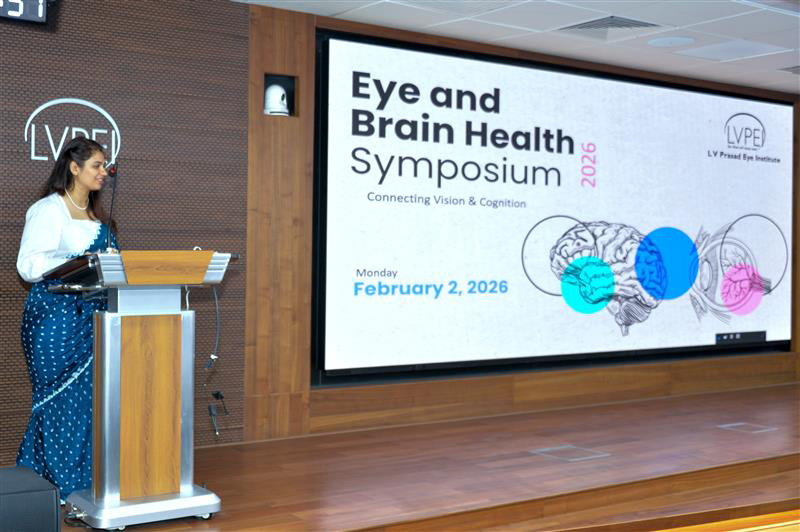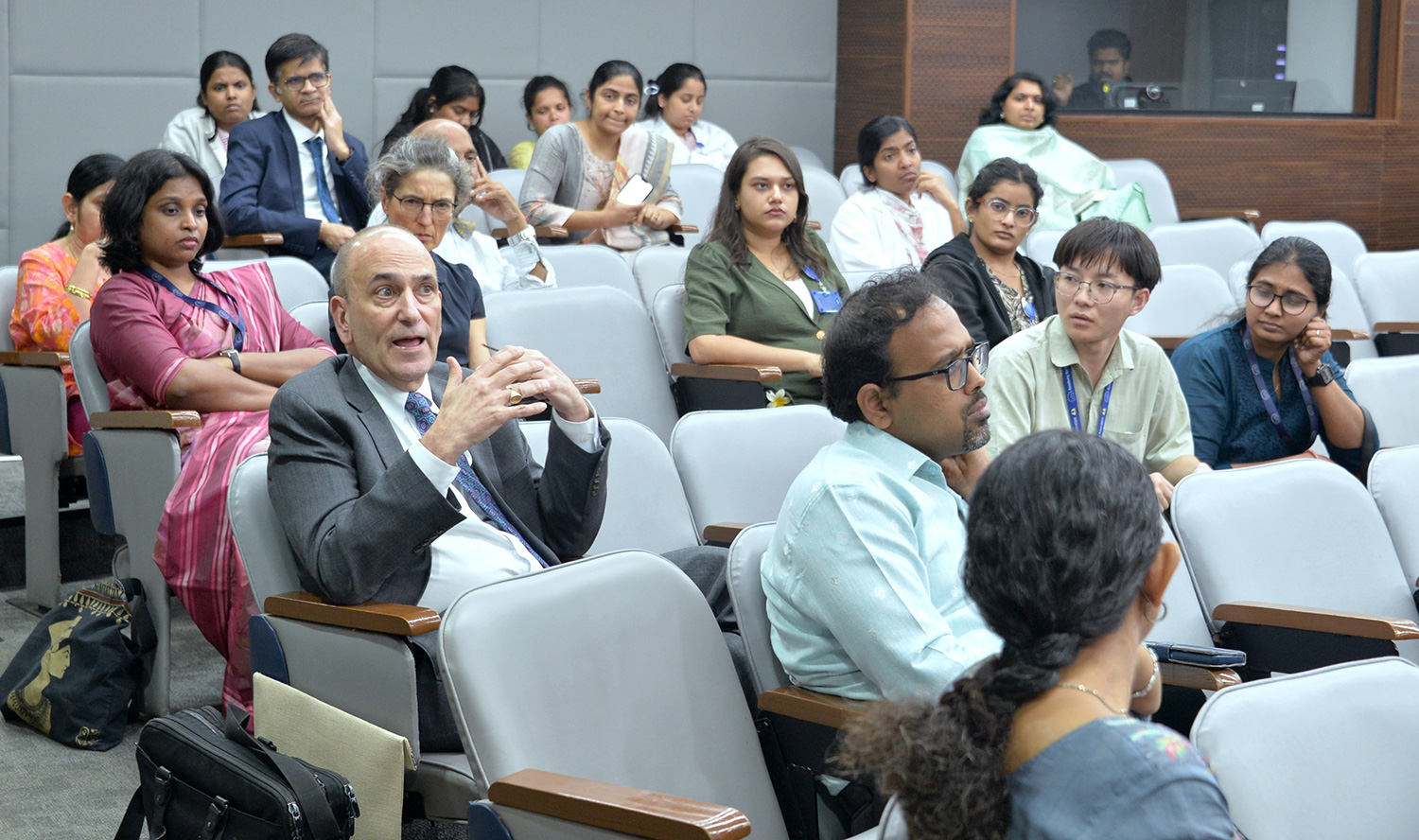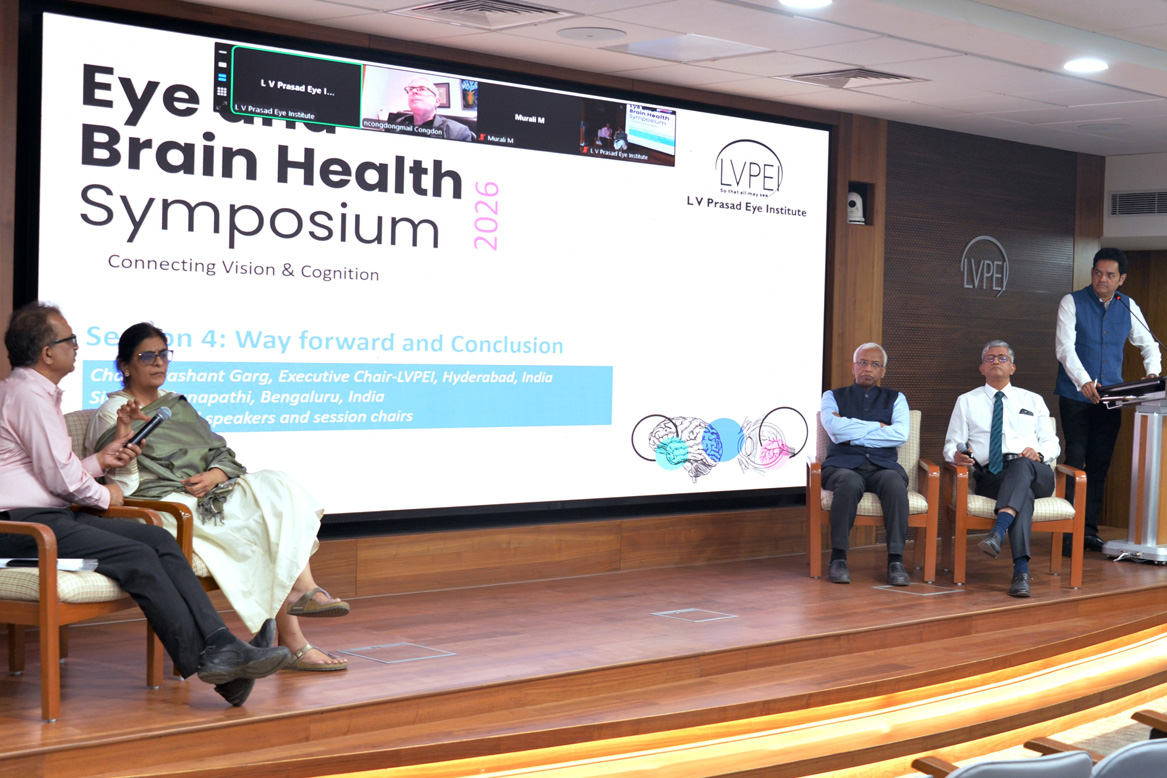


The LVPEI Kallam Anji Reddy Campus in Banjara Hills became a meeting ground for some of the world’s leading minds in ophthalmology, neurology, neuroscience, public health, and child development as it hosted the Eye and Brain Health Symposium 2026 on February 2nd, 2026. The symposium unfolded as a compelling exploration of how our eyes and brain continuously shape each other from infancy through old age.
Over the course of the day, international faculty and national collaborators examined the increasingly intricate links between vision and cognition. The discussions flowed through the biology of the eye–brain interface, the challenges of healthy ageing, the complexities of childhood neurodevelopment, and the expanding possibilities unlocked by artificial intelligence and oculomics. Instead of isolated sessions, the conversations built upon each other, painting a holistic picture of how visual pathways inform memory, attention, learning, and long-term neurological health.
A major highlight came from LVPEI’s own scientific contributions. Researchers presented findings from CLEVER (Cognitive Level Enhancement through Vision Exams and Refraction), a study that reimagines how simple vision correction can influence cognitive performance, and LEADS (Longitudinal Eye Health, Ageing and Disability Study), which follows communities over time to understand how vision loss intersects with ageing and disability. These studies grounded the day’s global perspectives in Indian realities, reinforcing the institute’s role as a leader in eye–brain research.
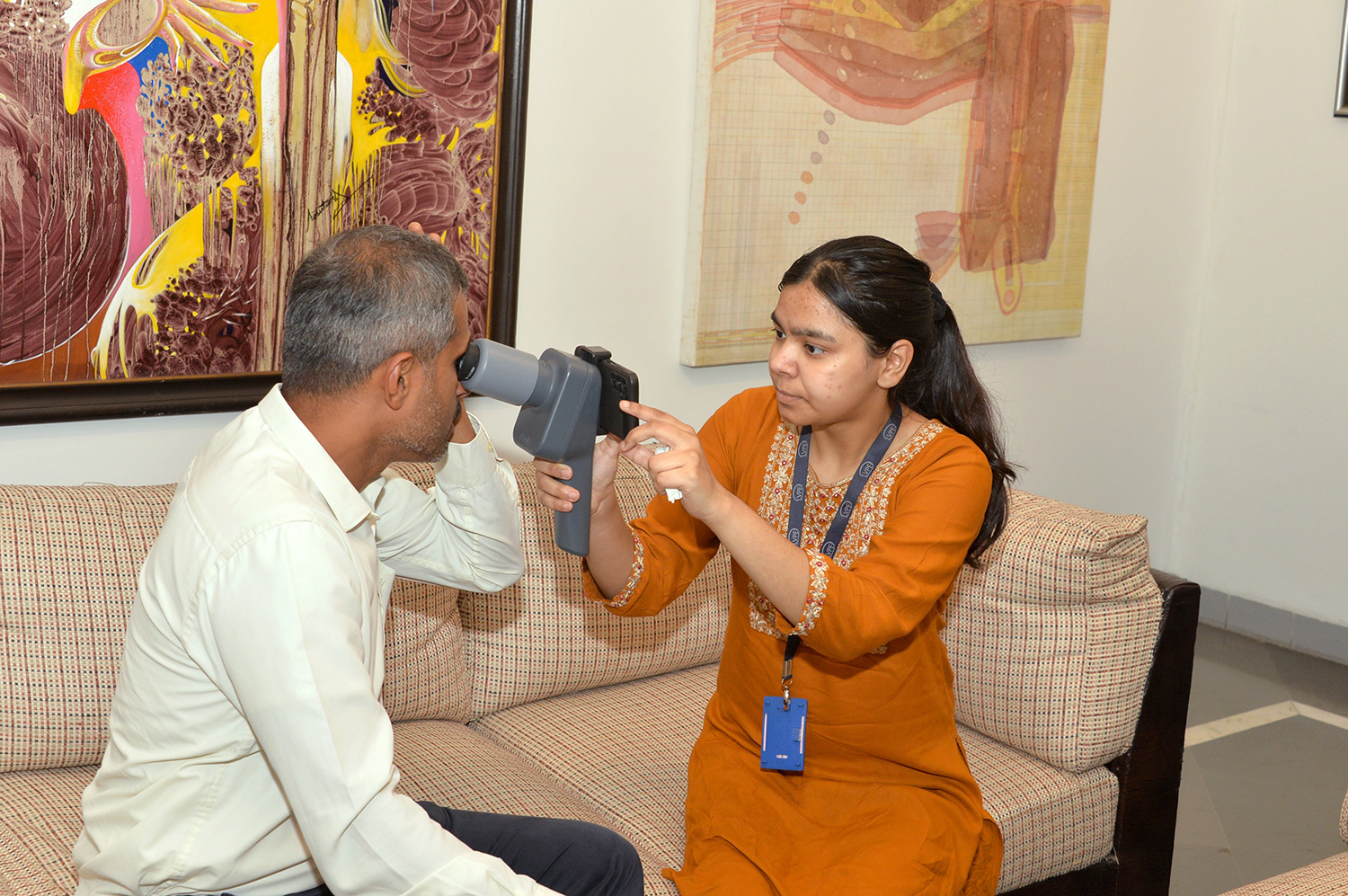
Speakers from around the world brought fresh insights to the table. Experts in retinal imaging demonstrated how the eye can serve as a non-invasive window into brain health, while community-health specialists shared lived experiences of dementia in rehabilitation settings. Neuroscientists traced the earliest stages of infant brain development, and AI researchers showcased how machine learning is beginning to decode subtle visual biomarkers long before symptoms emerge.
The afternoon shifted focus to children. Indo–German collaborations revealed how paediatric neuroscience is advancing across continents. Innovators behind BaViS, the Baby Vision Screener, shared the journey of taking a homegrown idea to real-world impact. Presentations on cerebral visual impairment, visual perception trajectories, and gene therapy drew attention to the rapidly expanding understanding of how the developing brain reads and responds to the visual world.
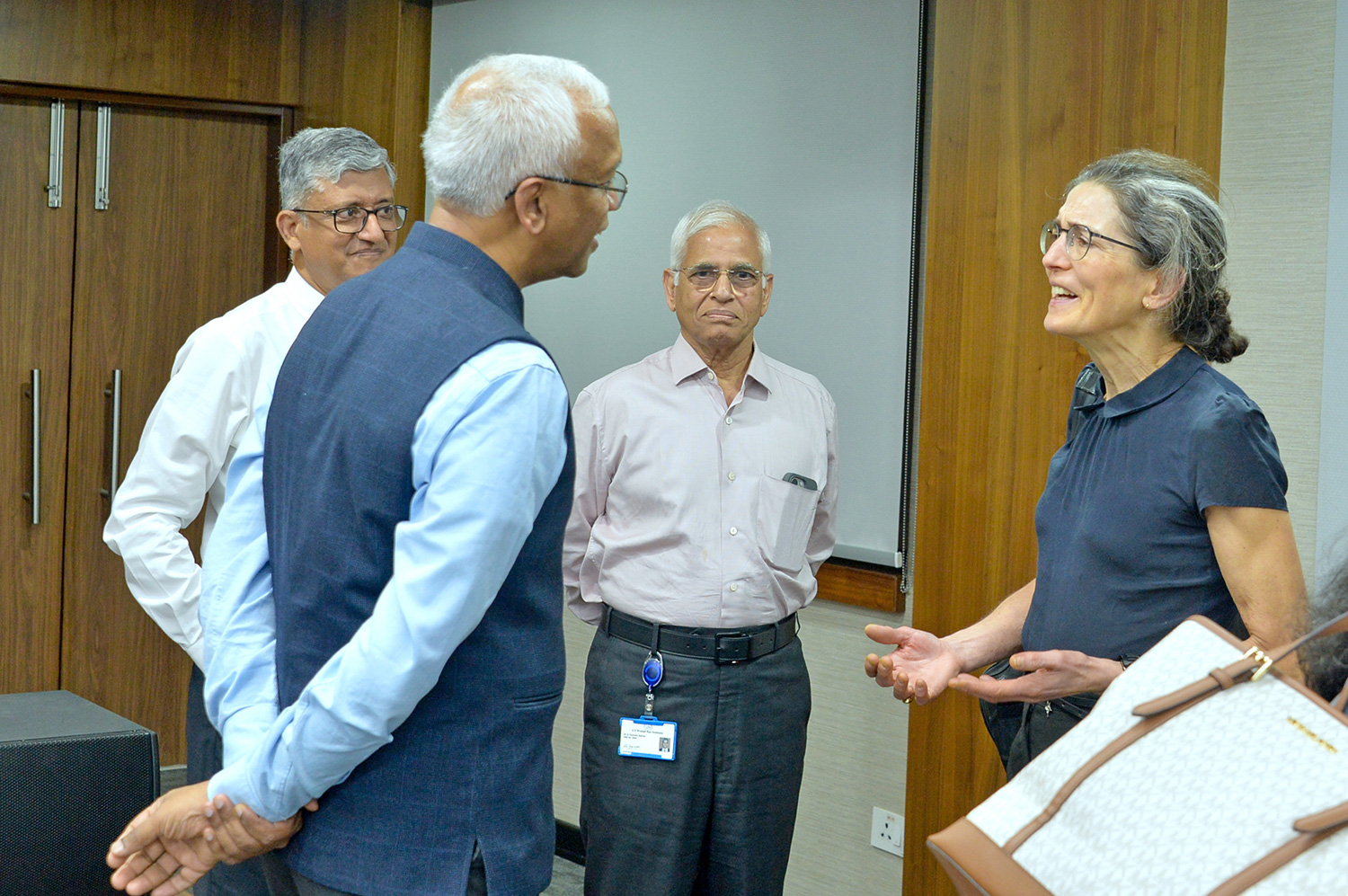
As the day drew to a close, all speakers and session chairs joined for a forward-looking discussion on the future of integrated eye–brain science. The panel emphasised the need for stronger research ecosystems, deeper clinical translation, responsible use of AI-driven biomarkers, and the expansion of meaningful global partnerships. Their roadmap signalled a shift from discipline‑specific boundaries toward a unified approach to vision and brain health—one that promises profound implications for patients across all ages.
With its blend of scientific rigour, collaborative spirit, and vision-driven ambition, the Eye and Brain Health Symposium 2026 marked a significant moment for LVPEI and the broader research community. It set the stage for a future where eye care and brain science move hand in hand, illuminating new paths in understanding how we see, think, and develop.