
Fall Prevention Among the Elderly: All You Need to Know
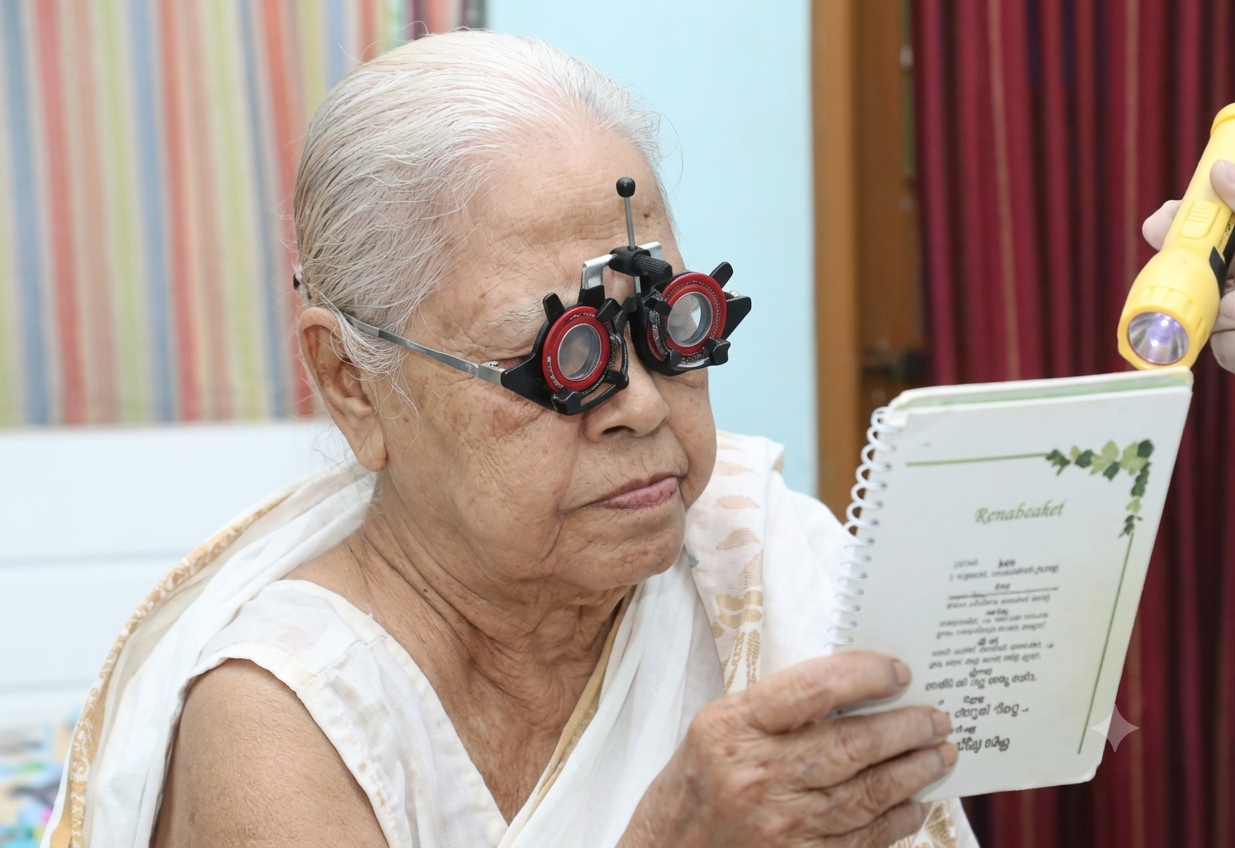
Most falls among the elderly are preventable – with a little thought & planning.
Experiencing falls isn’t a normal part of getting older. Close attention, to changes in your vision, the side effects to your medications, and the layout of your home can lower the risk of falls, more than you’d expect.
Cataracts, uncorrected glasses, and poor night vision are among the most treatable fall risks there are, and which can all be corrected if detected at the right time.
Common myths about falls among the elderly:
- “Falls are just a normal part of getting older.”
No, there aren’t! And shouldn’t be either! Strength and balance exercises, review of medications at regular intervals, an annual eye check, and a safer home can all reduce the risk. - “If I limit my activity, I won’t fall.”
Staying active protects strength, balance, and range of motion — all of which help prevent falls. Social activity helps too. - “As long as I stay home, I’ll avoid falling.”
Over half of all falls happen at home! Clutter, throw rugs, slippery carpets, and poor lighting are common causes — and easy to fix. - “Muscle strength and flexibility can’t be regained.”
Exercise can partially restore both, at any age! It’s never too late to start. - “Medication doesn’t affect my fall risk.”
Many medicines cause dizziness or drowsiness. Pay attention to any side effects and review your medications with your doctor or pharmacist regularly. - “I don’t need my vision checked every year.”
Vision loss roughly doubles fall risk. An annual eye exam catches problems like cataracts and glaucoma early. - “Using a walker or cane makes me more dependent.”
Walking aids, properly fitted by a physical therapist, help you stay mobile and independent for longer. - “I shouldn’t bring up my fall risk — it’ll worry my family or doctor.”
Fall prevention works best as a team effort. Your family and care team will be more than happy to help.
How to make homes safer for the elderly?
Most falls at home are caused by a small set of fixable hazards. Here’s what to look out for in each part of the home.
- Clear the path to the room(of the elderly) and light it well.
- Remove throw rugs/carpets, or secure them with non-slip backing.
- Keep floors free of cords, papers, and clutter.
- Fix loose, broken, or uneven steps.
- Add handrails on both sides, the full length of the stairs.
- Light the top and bottom of every stairway.
- Keep everyday items at waist height.
- Never use a chair as a step stool.
- Use a stool with a bar to hold, if you need one.
- Add a non-slip mat or strips in the tub or shower.
- Install grab bars near the toilet and inside the tub.
- Consider a shower seat and hand-held shower head.
- Keep a lamp or flashlight within easy reach of the bed.
- Add a night-lamp on the path to the bathroom.
- Adjust bed height so your feet reach the floor comfortably.
- Wear supportive shoes indoors and out — avoid bare feet and slippers.
- Keep emergency numbers in large print near the phone.
- Be mindful around pets, underfoot.
Review your medications
Taking multiple medications increases your chance of side effects and falls. Close attention to side effects and regular review with your doctor, will keep you safe.
- Take medication only as prescribed. Don’t skip doses, double up, or take medicine that wasn’t prescribed to you.
- Keep an up-to-date medication list. Include prescriptions, over-the-counter medicines, supplements, and vitamins.
- Set a reminder for a review. Review your list with your doctor or pharmacist at least once a year, or whenever something changes.
- Report side effects. Dizziness, drowsiness, confusion, or coordination changes are all worth mentioning to your doctor.
- Stick to one pharmacy. One pharmacist tracking everything you take can catch risky combinations/interactions, before they become a problem.
Talk to your doctor about falls
Here’s how to make the conversation count.
Write down what you want to ask
List your concerns about balance and falls, before your appointment.
Ask for a falls risk assessment
Especially if you’ve fallen, feel unsteady, or have trouble walking.
Ask about specialists
A physical or occupational therapist can help with balance, strength, and safe movement.
Be honest about falls you’ve had
The more detail your doctor has, the more they can help.
Take notes, and ask for them
Bring a notepad so you remember what’s discussed.
Ask questions until it’s clear
Repeating information back helps you and your doctor confirm on what you have understood.
Involve family, friends, and exercise
Talking to family & friends
- Start with an honest conversation about your concerns
- Be specific about what kind of help would actually help
- Share upcoming appointments and any falls you’ve had
- Keep revisiting the topic as your needs change
- Follow exercises recommended by a physical therapist
- Check your local senior centre — often a one-stop shop
- Bring a friend, or look for programs available online
Download our guides
Keep this information close at hand, or share it with a parent, spouse, or anyone you care for. Our printable guide covers the same room-by-room precautions, plus tips on vision, medication, and staying active — so you can work through it at your own pace, without needing a screen.