3H - Hands, Head & Heart Retreat Held at LVPEI for Postgraduate Trainees

Written by Dr Subhabrata Chakrabarti
Published 10th August 2026 / Last updated 10th October 2026
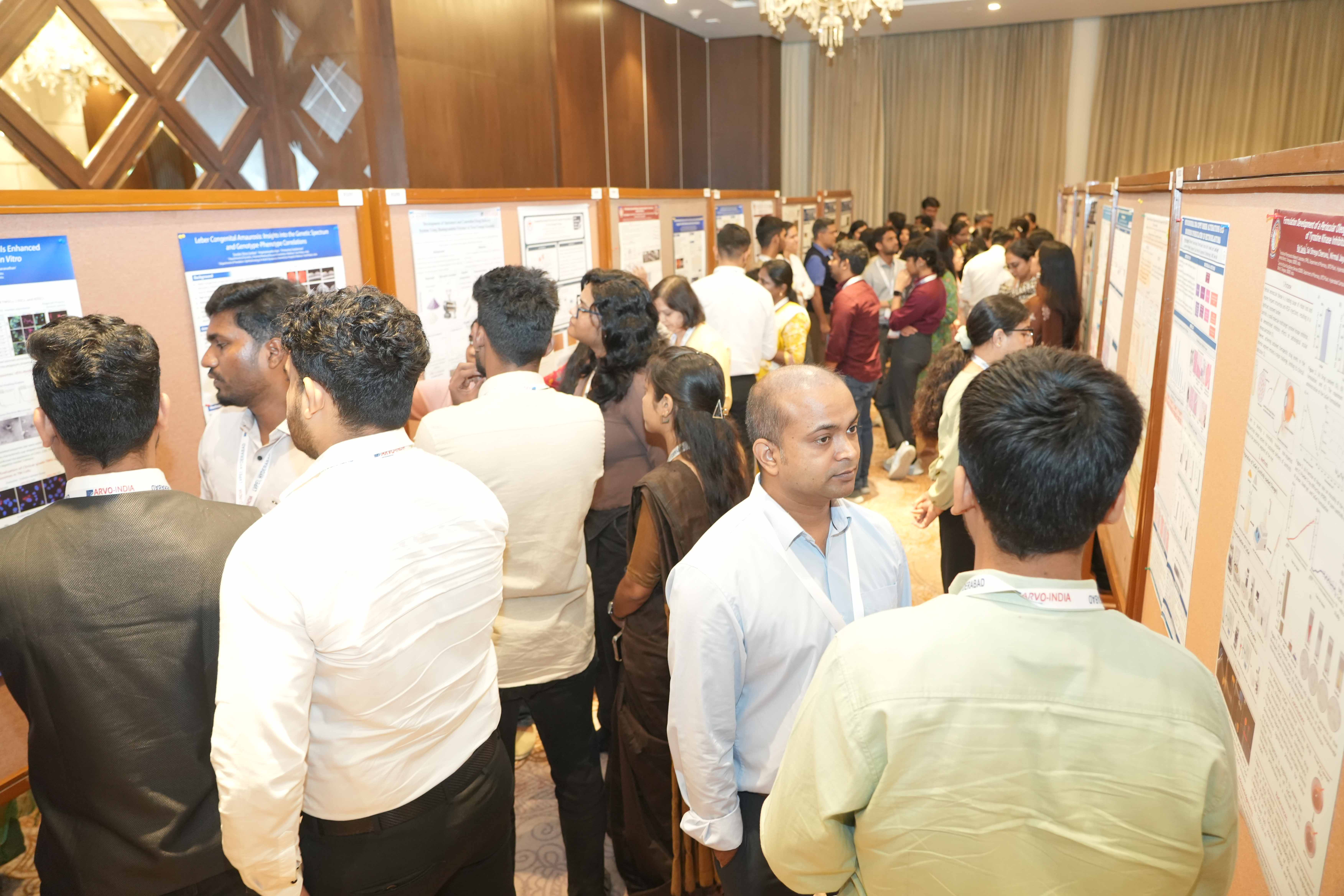
The thirty second Annual Conference of the Indian Eye Research Group (IERG) and ARVO India 2026 was organized by the L V Prasad Eye Institute in Hyderabad from July 24-26, 2026. It was a good learning experience with a wide coverage of disciplines across all areas of eye research. The nuances and advances in fundamental and applied research, newer tools and techniques along with newer modes of data analysis and interpretations were evident through the 180 presentations (talks and posters alike) made by 350 delegates pan-India over those three days.
A pre-conference workshop was conducted on July 24, largely for the members-in-training (MITs) and encompassed four diverse areas comprising,
These workshops drew a lot of interest among the MITs as some of these also offered hands-on experiences in addition to the didactic lectures and discussions.
The main ARVO India conference has always been structured like a regular ARVO meeting and was packed with the three signature orations, two keynotes and nine special talks. Prof Terri Young, the current President of ARVO, delivered the Bireswar Chakrabarti Oration on the genetics of childhood glaucomas and described their discoveries of novel genes and their potential roles and intersections in adult glaucomas. Dr Manjula Reddy from CSIR-CCMB delivered the D Balasubramanian Oration on the dynamics of the bacterial cell wall and Prof Radhika Tandon from RP centre, AIIMS, touched upon various bioengineering and innovative solutions in eye care in her Dr SS Badrinath Oration Lecture. The keynote lectures by Drs Peter Bex and Amitha Domalpally dwelled on clinical translations of vision psychophysics and imaging of retinal biomarkers, respectively, and had immediate implications in patient management. The special lectures by relatively younger faculty from India and abroad covered a wide spectrum from basic and clinical research in genomics, immunology, oncology, artificial intelligence to translation through gene therapies. All these presentations were aptly complemented by the 23 free papers and 140 posters, largely by our MITs.
The advances in fundamental and clinical research, along with various translational aspects in clinical settings were highlighted through the works of these researchers. Young researchers were awarded for best presentations of papers and posters and posters, and ten of the MITs were supported with travel awards. Overall, ARVO India 2026 was a grand success and provided avenues for lots of interactions during the breaks and discussions along with opportunities for future collaborations across researchers in India and abroad. The next ARVO India conference is scheduled in July 2027 at the Aravind Medical Research Foundation in Madurai.

