Dr Priyanka Maniarasu Receives ARVO’s Developing Country Eye Researcher Travel Fellowship


Written by LVPEI Communications
Published 19th November 2026
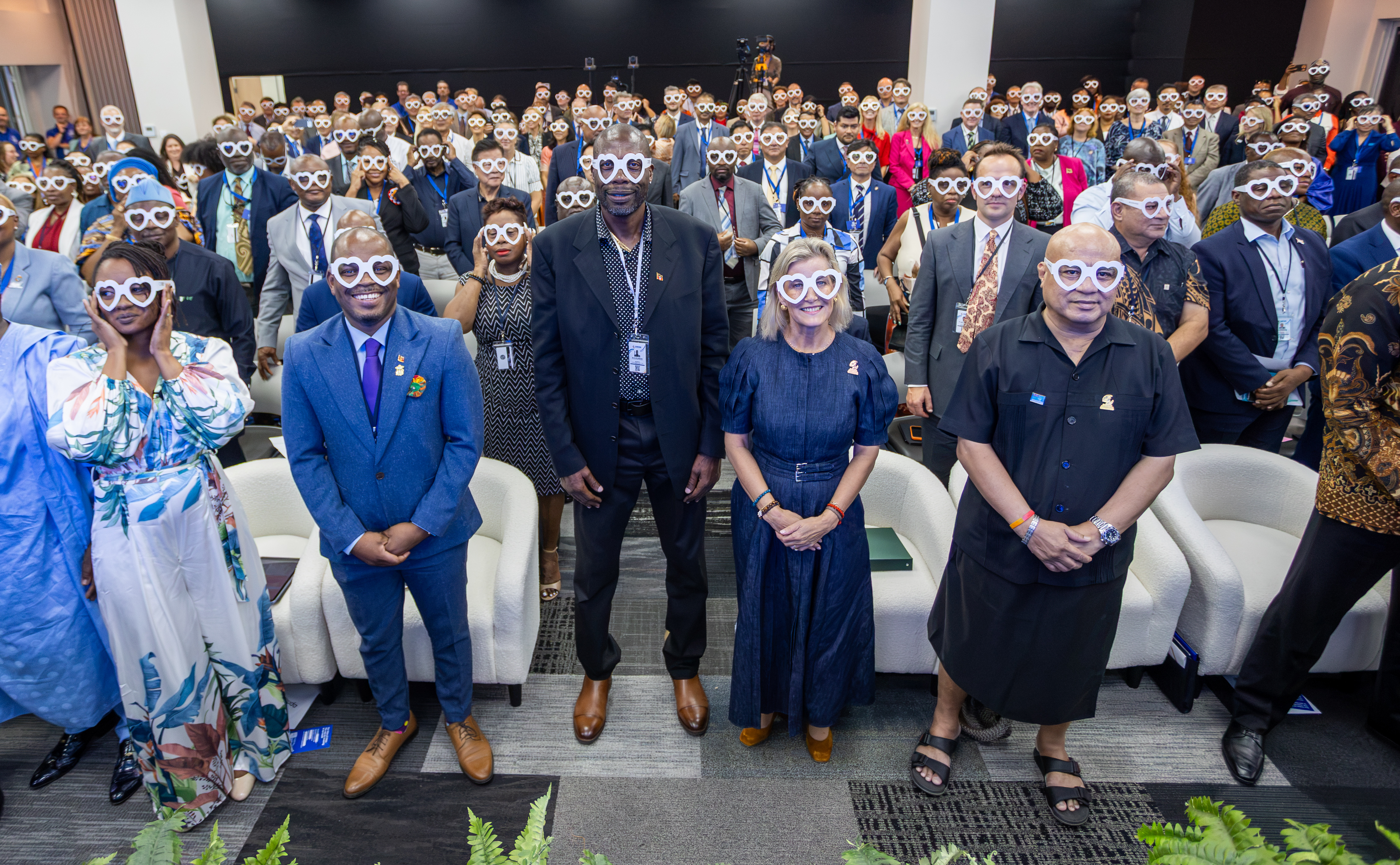
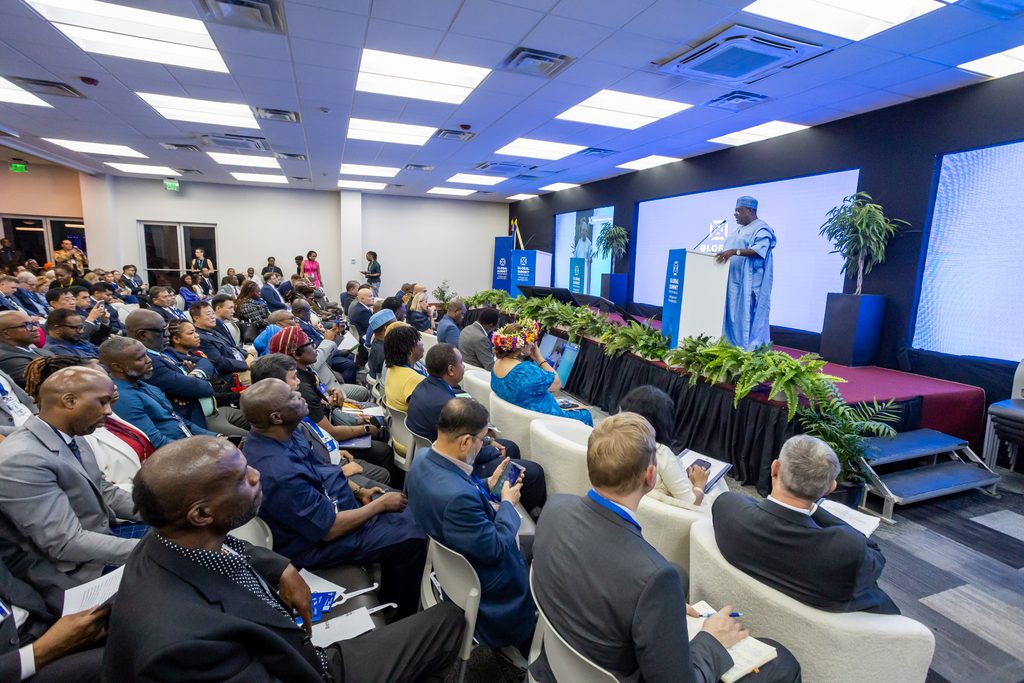
On November 2, 2026, the historic Global Summit for Eye Health in St John’s, the capital of Antigua and Barbuda, saw over 200 commitments to pledge resources, funds, and actions by 120 countries towards eye health. Over the course of the day, representatives from over 40 countries (along with commitments from many others who were not present at the summit) committed to invest USD $1.23 billion in national financing and resources for eye health.
The two primary causes of avoidable vision loss are uncorrected refractive errors and cataract, affecting over a billion people worldwide who have never had access to eye care services. One of the key reasons this summit was historic was the fact that the national delegations at the summit represented more than 60% of the world’s population, including countries such as Bangladesh, China, Ethiopia, Kenya, Mexico, Nigeria and Rwanda. The commitments made at the summit are set to deliver 68 million pairs of glasses to underserved communities and 13 million sight-restoring cataract surgeries.
The global eye health sector has United Nations (UN) and World Health Assembly resolutions that urge member nations from around the world to achieve key eye health targets by the year 2030. The 2021 WHA resolution has set targets of a 40 per cent increase in the coverage of refractive errors and a 30 per cent increase in coverage of cataract surgery. However, global progress towards these targets is unclear.
In 2024, the World Health Organization (WHO) launched the ‘SPECS 2030’ initiative to achieve the 40% percent target in global spectacle coverage. At the Global Summit, the WHO launched a new initiative to eliminate cataract related blindness as a public health problem by 2045, the WHO SEE 2045 Cataract Elimination Initiative, with partners pledging to support up to 13 million cataract surgeries by the year 2045.
Of the over 50 countries that pledged resources, Indonesia pledged US$600 million to integrate eye health across primary care, schools, community and occupational health services, Nepal pledged US$240 million to advance universal eye care across the country, and Bangladesh pledged US$129 million to embed comprehensive eye care into its Universal Health Coverage benefit package for its citizens. In addition, ATscale, the Global Partnership for Assistive Technology, announced $60 million of support to children’s eye care. This funding will support screening for over 4 million school children for both vision and hearing loss, and an estimated 400,000 children will be fitted with eyeglasses. More investments of almost £500 million by the private sector to accelerate eye care implementation were announced at the summit.
The Summit saw the launch of The St. John’s Global Compact for Eye Health, which was endorsed by 187 stakeholders including 41 governments establishing the first multi-stakeholder accountability mechanism for eye health. The Compact unites governments, international organisations, the private sector and civil society behind a shared vision and priorities for action, investment and accountability towards the commitments made.
The Summit was hosted by Antigua and Barbuda, and co-hosted by Bangladesh, Guyana, Ireland and Nigeria. It was put together by the International Agency for the Prevention of Blindness (IAPB) in technical collaboration with WHO. LVPEI, long-standing members of IAPB, participated in the planning, program development, and by attending the Summit.
Peter Holland, CEO of IAPB remarked that “the Global Summit for Eye Health marks a defining moment for global eye health. The commitments announced this week will improve the lives of hundreds of millions of people and demonstrate that investing in eye health is an investment in human potential, economic growth and sustainable development.“
LVPEI congratulates IAPB and their partners in the WHO for this historic achievement. We look forward to working with our partners and collaborators in achieving these milestones and goals.

