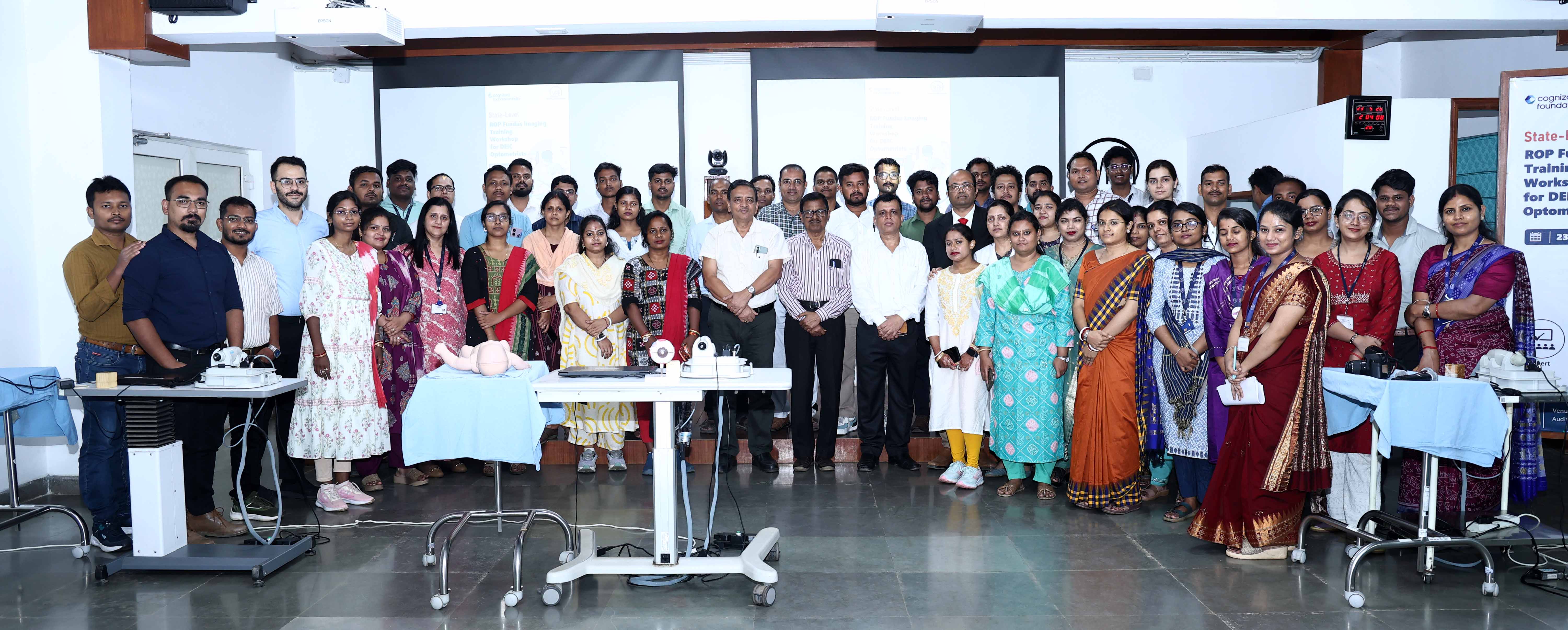
#ScienceSocials With Dr Subhadra Jalali at Yale Department of Ophthalmology & Vision Science
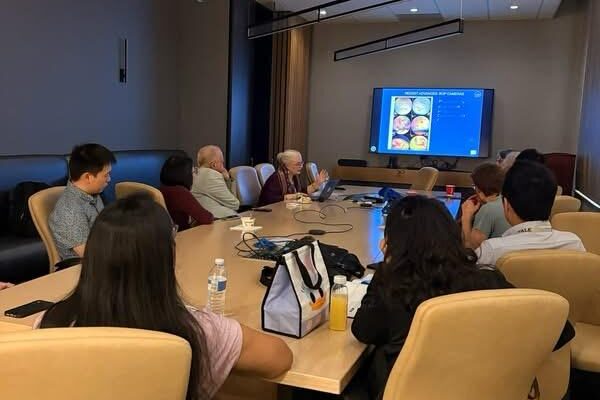

A sight-threatening ocular disease, retinopathy of prematurity (ROP) is one of the leading causes of irreversible vision loss in preterm babies (born before 32 weeks of gestation) or babies born with a birth weight less than 2 kgs (2000 grams).
If treated on time, preterm babies can have good vision and lead a better quality of life.
Retinopathy of Prematurity (ROP) is an impairment of a baby’s retina, the light-sensitive inner layer of the eye, because of the abnormal growth of blood vessels. In its early stages, ROP can be self-limiting. However, in cases where blood vessel grwoth does not stop, it may be necessary for an eye specialist to intervene and save vision.
To identify the early indications of ROP, doctors follow the 30-day strategy:
Remember, tees din roshni ke! (thirty days to vision!)
There are no signs or symptoms that are visible to the parents. Although a premature baby’s eyes may look normal, the retina inside may not be fully developed. ROP progresses silently. Only a trained ophthalmologist can diagnose ROP by performing a detailed retinal examination.
Many retinal diseases are silent in the early stages. Prompt screenings, especially for at-risk individuals, is critical.
The retina of the baby develops over the full 9 months of pregnancy. When a baby is born prematurely, the blood vessels in the retina (the light-sensitive part at the back of the eye) are not fully developed. After birth, these vessels may grow abnormally, which can lead to scarring, bleeding, or even retinal detachment (a serious condition that can cause vision loss).
When a child is born preterm, their retina is not fully vascularized (rich in blood vessels). After 20-30 days in the newborn intensive care unit (NICU), these babies are taken out of their oxygen-rich incubators, which causes an oxygen demand in the eye, resulting in an abnormal growth of retinal blood vessels. That is why every preterm baby should be screened for ROP within the first 30 days of their life. During this screening, a specialist can identify early indications of ROP and treat it with a higher chance of success.
Risk factors for ROP
All these factors, and more, can trigger Retinopathy of Prematurity (ROP) in a baby’s eyes.
To stop abnormal vessel growth, prevent a retinal detachment, and preserve vision, ROP is treated with:
In advanced stages of ROP, vitreoretinal surgery and vision rehabilitation are suggested.
After treatment, the baby:
Babies with a birth weight lower than 2 kgs or those born at less than 34 weeks of pregnancy are most likely to have Retinopathy of Prematurity. Any other preterm baby who has had problems after birth (lack of oxygen/ infection/ blood transfusion/ breathing trouble, etc.) is also vulnerable.
It is advised that all normal and premature/preterm new-borns should undergo an eye examination for a ‘red reflex’, and a torchlight examination within a few hours of birth; and therefore, every month till 6 months of age.
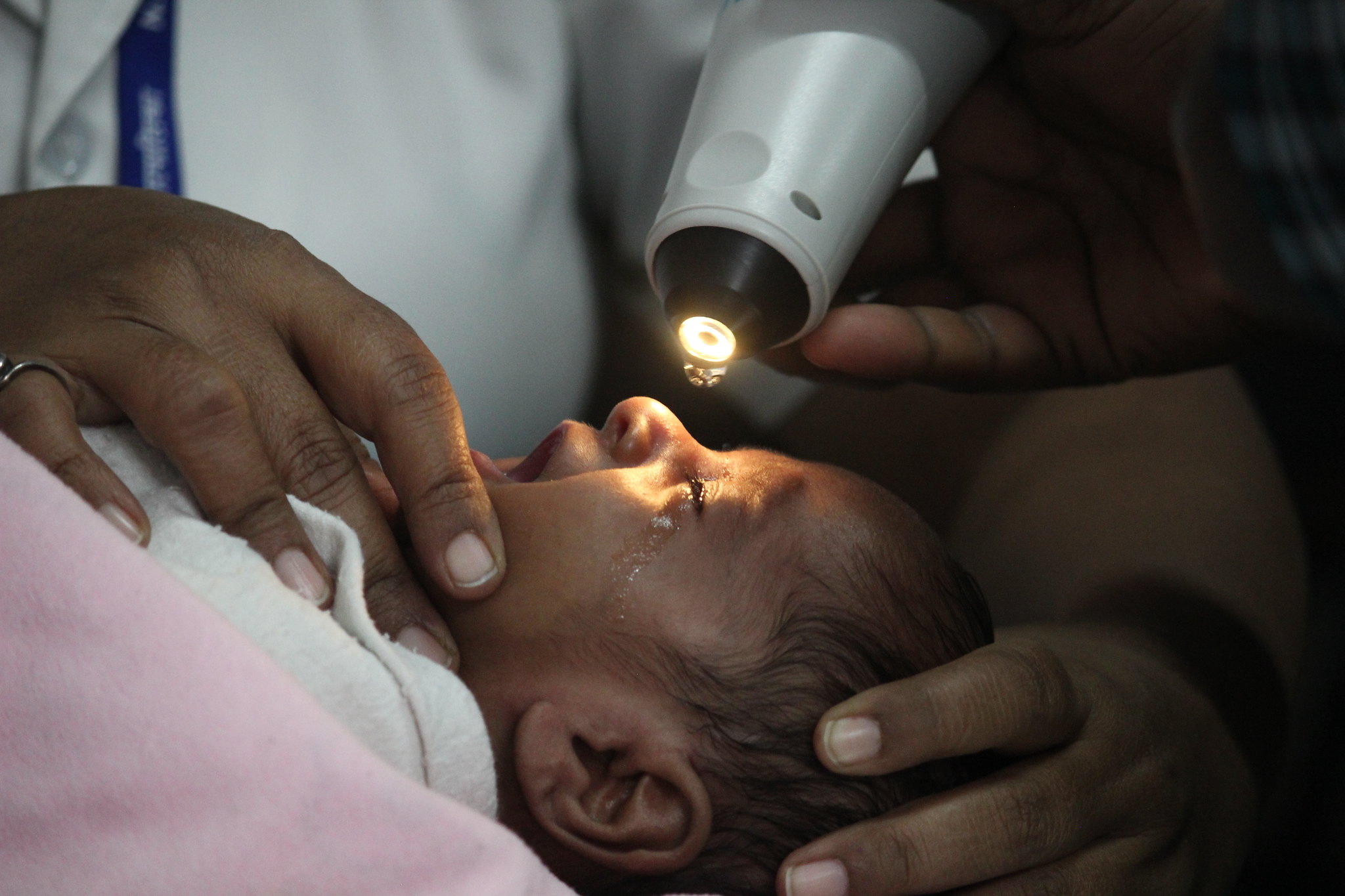
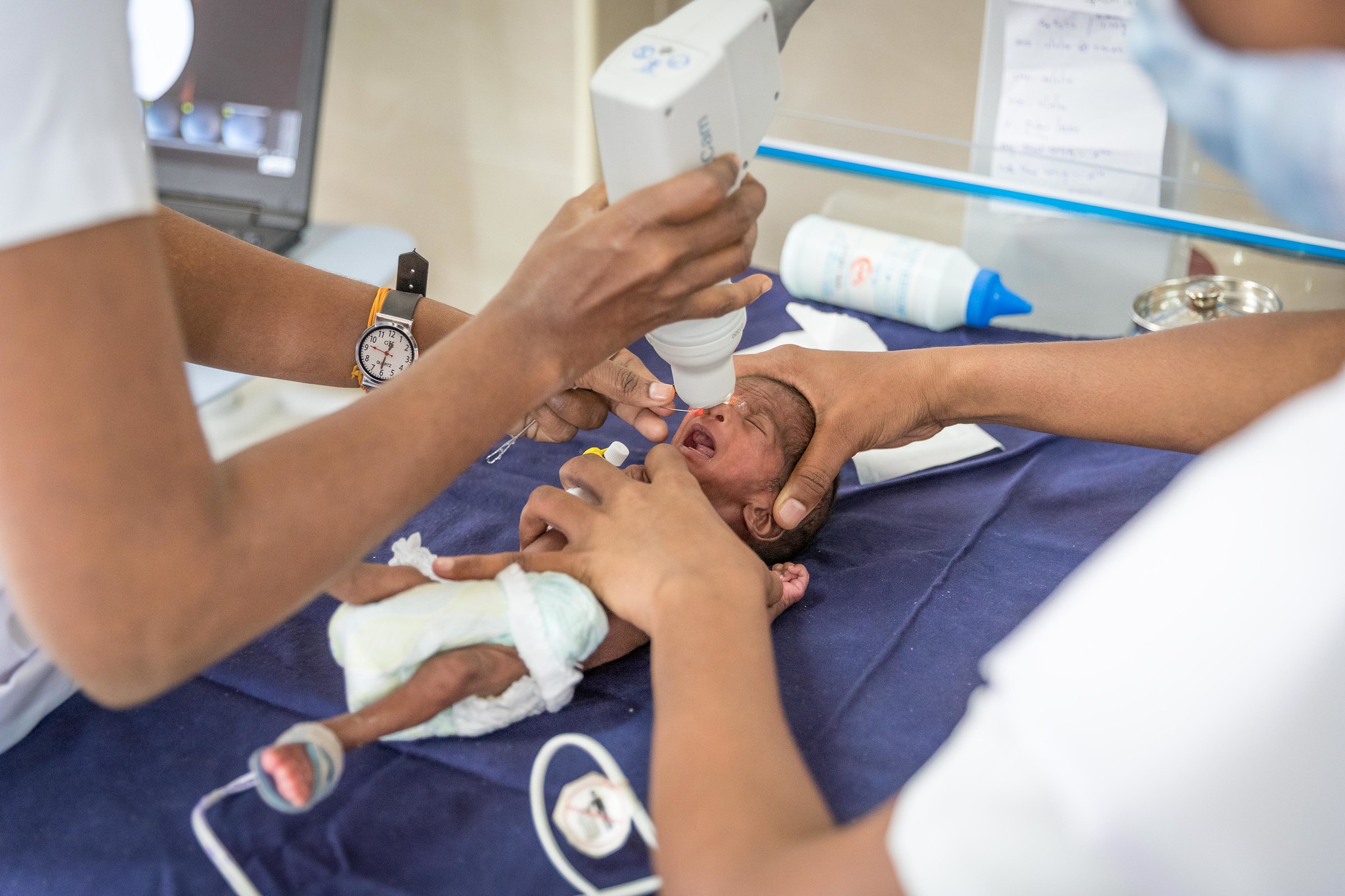
Only a trained ophthalmologist can detect ROP. The doctor will dilate the pupils of the baby’s eye using eye drops. An indirect ophthalmoscope will then be used to scan the entire retina to detect Retinopathy of Prematurity (ROP) and gauge the severity.
ROP can progress in 7-14 days and, therefore, needs a close follow-up till the retina fully matures.
Time is critical. ROP needs to be treated as soon possible. If treated on time, the baby can have reasonably good vision and can lead a better quality of life.
Role of parents and soon-to-be parents: To be vigilant about this condition and to bring their premature/underweight new-borns for a retinal eye examination without fail within 30 days of birth.
Role of paediatricians: Detect at-risk babies for ROP and refer them to a trained ROP specialist for a detailed retinal examination.
Role of ophthalmologists (trained retina specialists): Train other eye doctors for ROP screening, so that further management can be made in time.
Anti-VEGF injections block growth factors that promotes abnormal blood vessels. The medicine is gently injected into the baby’s eye by a trained specialist. It is safe and has a high degree of success.