
Uveitis
Last updated: 13th May 2026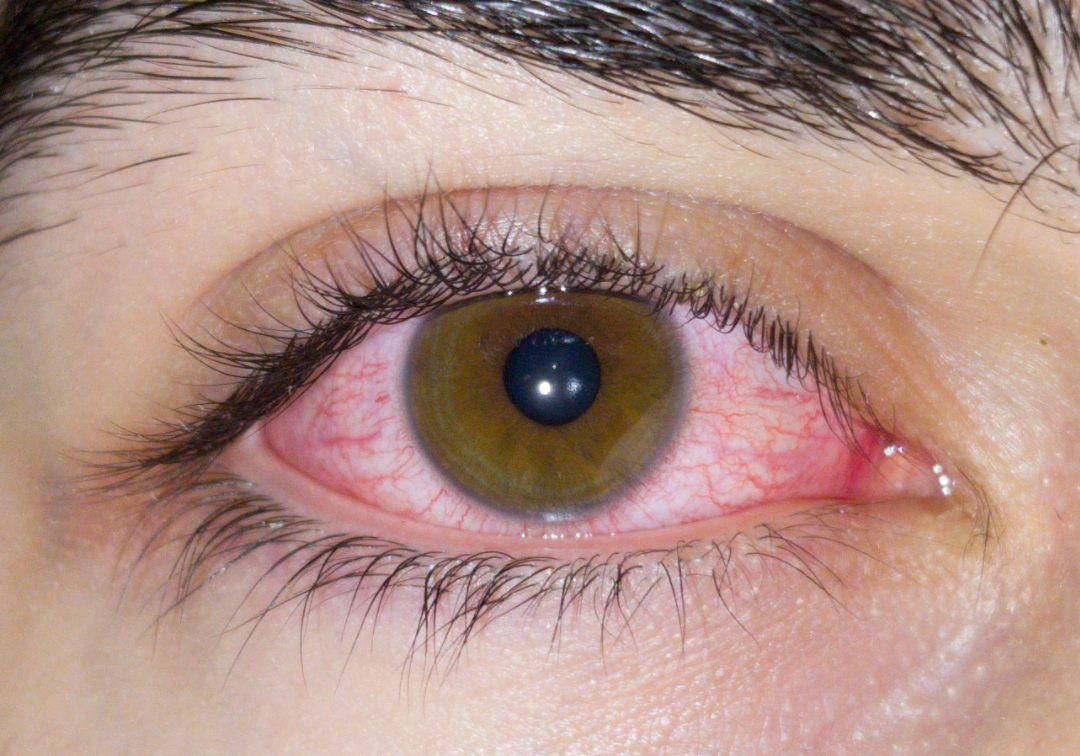
Overview
The Uvea (from Latin Uva, or grape) is the middle layer of the eye, other than the cornea/sclera and retina. The Uvea includes the iris (which gives the ‘colour’ to your eyes), the ciliary body (a ring of muscle and tissue behind the iris), and the choroid (the layer of tissue that supplies blood to the eye). Any inflammation or swelling of this layer is called uveitis.
Many systemic issues, including infections and autoimmune disorders, can trigger uveitis—so it is not a single disease. It is a relatively common condition and is found in less than 1% of the population. Untreated uveitis can damage the uveal tissue, trigger other ocular conditions, and lead to vision loss.
Who can get uveitis?
Anyone can get uveitis, though it is more common in adults, with the risk increasing as one gets older. The cause or trigger can be diffuse and unknown to the eye specialist (an idiopathic cause).
Risk factors include:
- Smoking
- Viral infections like the shingles or herpes
- Bacterial, fungal and parasitic infections like tuberculosis or toxoplasmosis
- Auto-immune disorders or inflammatory diseases like lupus or rheumatoid arthritis
- Eye trauma or accident
- Prolonged steroid use or other medications
Types of Uveitis
Eye specialists who work on uveitis discuss nearly 30 different types of this condition! [1] Broadly, there are 3 types of uveitis:
- Anterior Uveitis
Also known as iritis, this affects the iris and the ciliary body that is connected to it. The condition can erupt suddenly and could last for weeks. Anterior uveitis is the most common form of this condition and subsides with medication. Episodes may recur over time. - Intermediate Uveitis
This form of uveitis can be chronic and may last years. It presents itself on the vitreous (the middle part of the eye) and the peripheral retina. In India, tuberculosis (TB) infections are one of the main triggers for IU. - Posterior Uveitis
This form of uveitis affects the choroid (the blood carrying layer) and retina at the back of the eye. The symptoms may be chronic and are usually triggered by a systemic infection, like syphilis or TB.
When all layers of the uvea develop inflammation and impair vision, it is known as Panuveitis.
What are the symptoms?
Uveitis can erupt without notice. Its symptoms include:
- A red eye (with or without pain)
- Photophobia, or sharp sensitivity to light
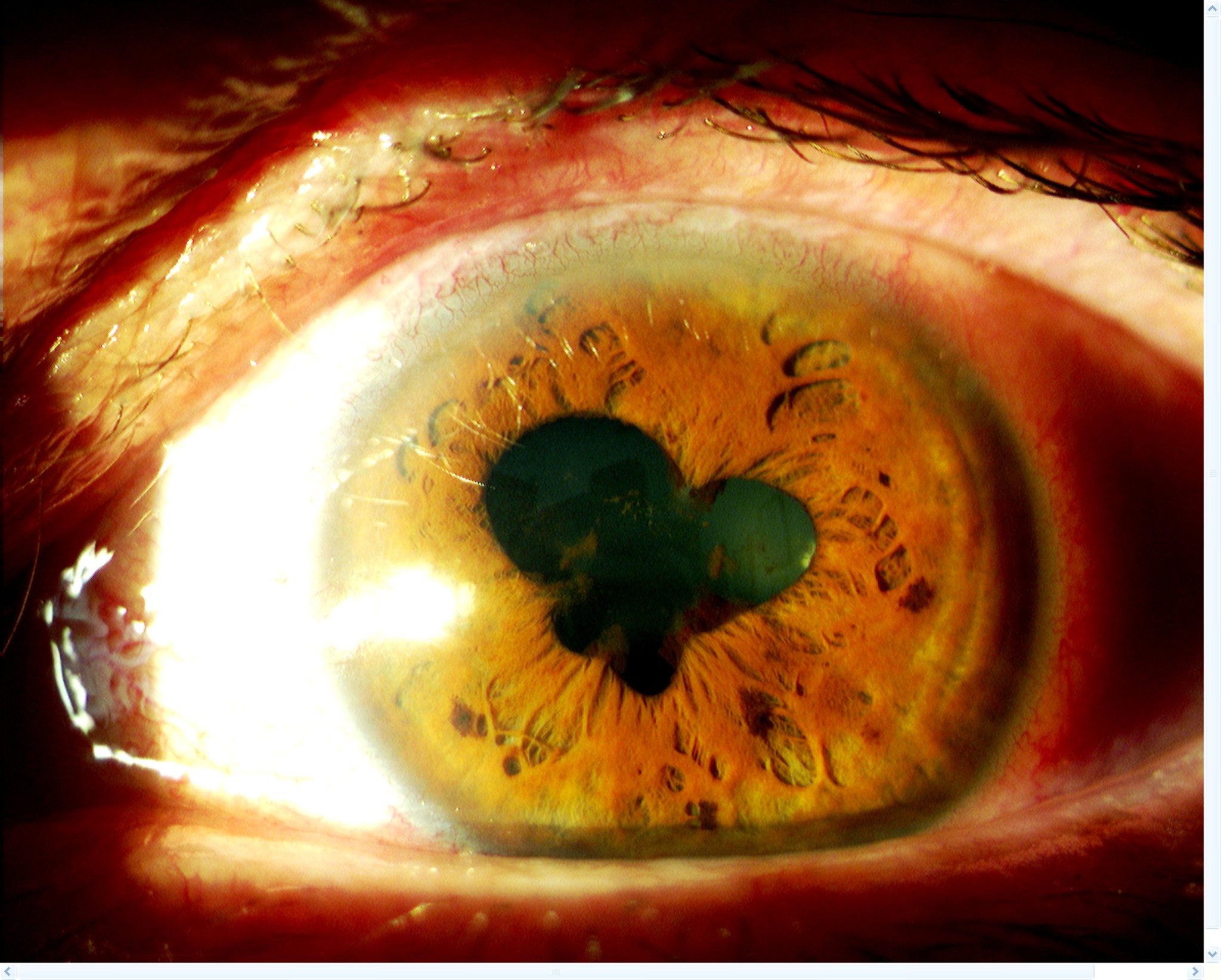
- Swollen lids or misshapen eyes
- Floaters
- Blurry or diminished vision
Every case of Uveitis is different – your case may not match these symptoms. Untreated uveitis could trigger other conditions like glaucoma, macular edema, or cataract, so, please consult an eye specialist if you have any systemic issue and suspect uveitis.
Diagnosis and Treatment
A specialist in uveitis at LVPEI conducts a comprehensive eye exam and records overall health and medication history. Intraocular pressure is checked along with an optical coherence tomography (OCT) scan of the back of the eye. There may be no permanent cure for uveitis, each attack can be treated, depending upon the cause, severity, and location of the inflammation.
- Pain management: Eye drops may be prescribed to dilate the pupil and reduce any pressure on the intraocular muscles that control it.
- Inflammation management: To control inflammation, steroids may be given in the form of drops, injections around the eye or tablets. At such times, a ‘depot’ steroid injection is used as a slow-release drug. These bind the steroid with compounds like acetate or acetonide creating a ‘depot’ or reservoir of the drug at the injection site. The medication is then let gradually into the bloodstream over several weeks to months.
Frequently Asked Questions
Please take the medicines as advised by the doctor; do not start or stop the medication on your own. If you are on oral steroid therapy and have to undergo any surgery, please inform your doctor.
If you have taken oral steroids for more than two weeks, do not stop suddenly, as this could have serious problems.
If you forgot to take your eye drops, take them as soon as you remember instead of waiting till the next scheduled time. Then get back on schedule for the next dose.
Eye medications can affect other parts of the body too. Please tell your other doctors about the medicines you are taking for uveitis.
Oral steroids may cause acidity, mild stomach pain, increase in weight, acne or pimples. In rare cases, they can induce diabetes, hypertension, osteoporosis (weakening of the bones), nervousness and depression.
Women are advised to avoid pregnancy (contraceptive devices can be used) while on treatment with oral steroids or immunosuppressive drugs.
Some immunosuppressive drugs interfere with the basic metabolic process of the body; many of them cause bone marrow depression, thereby reducing the blood count. Patients are advised periodic blood tests while taking the treatment, to monitor the side effects of the drugs.
Yes, in many cases uveitis can recur. The frequency and severity of the attacks is however, unpredictable. Consult your ophthalmologist as soon as you notice any signs of recurrence; this will make the treatment simpler and lead to a quicker resolution of uveitis.