A Patchy Route
Written by Soujanya Padikkal
Published 27th August 2026
Researchers from LV Prasad Eye Institute and BITS Pilani, Hyderabad demonstrate a safe and targeted drug delivery route for retinoblastoma using a microneedle scleral patch.
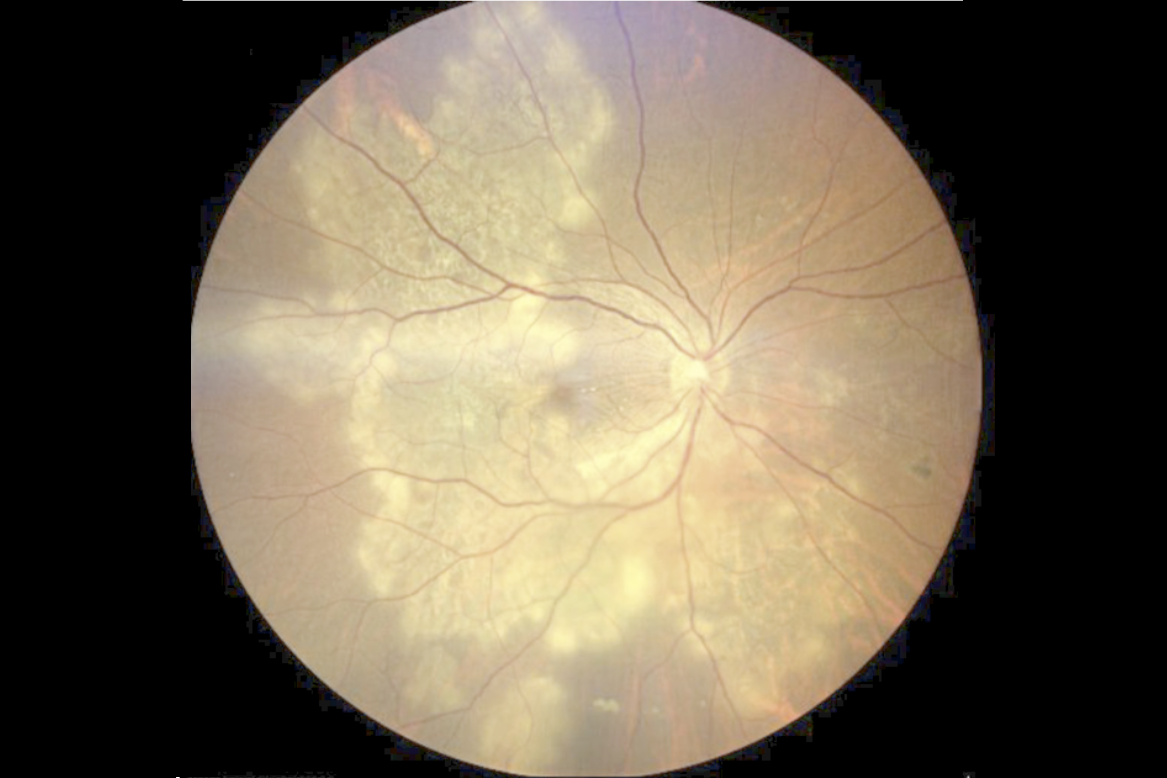
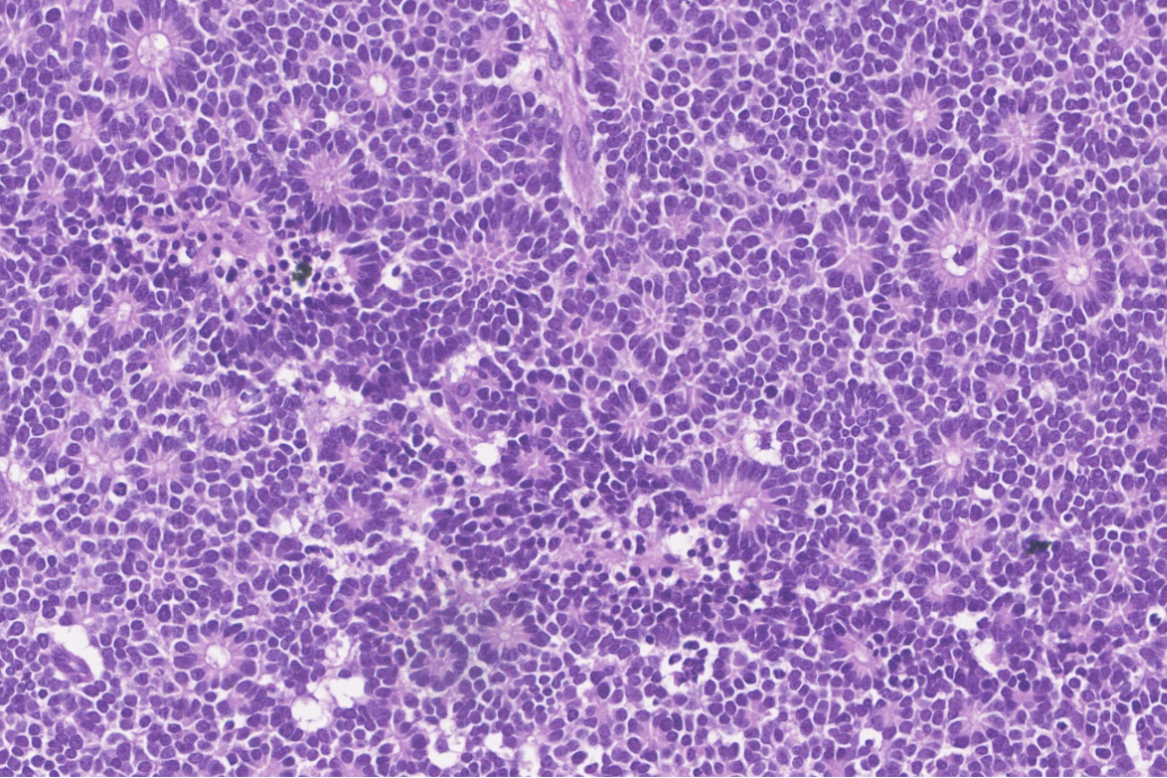
One of the major challenges in cancer treatment is drug delivery. It becomes even more complex in eye cancer, as seen in retinoblastoma (RB), the most common eye cancer in children. It usually affects children below the age of five. Early diagnosis and treatment play a key role in saving the eye.
Intravenous chemotherapy (IVC) is a mainstay of retinoblastoma treatment, but it exposes the entire body to the drug and can cause systemic toxicity. Intra-arterial chemotherapy (IAC), which delivers the drug through a catheter placed in the ophthalmic artery, can achieve higher drug concentrations closer to the tumor but carries the risk of blood-vessel complications. Intravitreal chemotherapy, in which the drug is injected into the eye, can also have complications.
Ideally, we need a mechanism to deliver a potent dose straight to the retina-choroid complex, to target the cancer where it originates in the retina, the innermost, light-sensitive layer at the back of the eye.
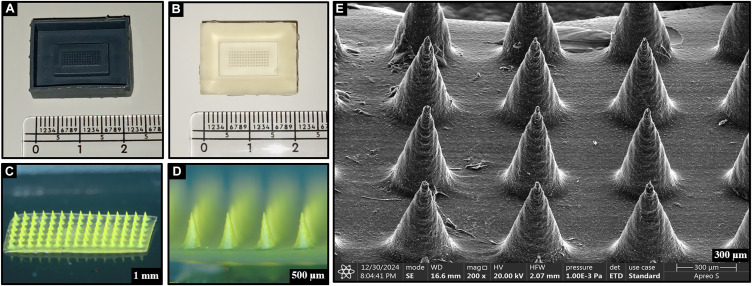
Microneedles are tiny (about 500 microns), cone-shaped projections that can create microscopic channels in the tissue, allowing a drug to be delivered closer to its target
One possible solution is a microneedle scleral patch (MSP). Microneedles are tiny (about 500 microns), cone-shaped projections that can create microscopic channels in the tissue, allowing a drug to be delivered closer to its target. In the case of ocular drug delivery, researchers have been exploring microneedle patches that can be placed on the sclera, the white outer layer of the eye. Depending on how they are designed, these patches can release the drug into the sub-layers of the eye and dissolved over time. Could a tiny patch deliver adequate anti-cancer drug to a child’s eye?
In a new study published in Ophthalmology Science, Vishal Raval and colleagues from LVPEI, in collaboration with researchers from BITS Pilani, explore delivering topotecan (a chemotherapy drug) directly to the retina using MSP, in goat and rabbit models. The team developed a dissolvable patch made from sodium hyaluronate (a biopolymer), containing 90 microneedles, and loaded with 100 μg of topotecan.
They tested how quickly the needles dissolved and how efficiently topotecan moved across excised goat sclera. In goat eyes, they compared the distribution of topotecan delivered through the patch with an intravitreal injection. They then applied the patch to rabbit eyes and measured topotecan concentrations in the choroid-retina complex, other ocular tissues, and blood over eight hours. injection.
Dissolving needle patches that deliver potent doses may well be the next frontier in retinoblastoma treatment.
The team noted that the patch dissolved within 2 to 4 minutes with no observed toxicity. The tests on goat sclera found that the microneedles delivered nearly three times more topotecan across the tissue than simply applying a topotecan solution to the surface. In rabbits, retinal topotecan was highest at one hour, comparable to levels reported with IAC and higher than what is achieved with IVC. Plasma levels stayed low, suggesting the drug stayed concentrated in the eye rather than circulating through the rest of the body. Dissolving needle patches that deliver potent doses may well be the next frontier in retinoblastoma treatment.
‘Microneedle scleral patch therapy represents a promising approach for retinoblastoma by enabling localized, minimally invasive drug delivery to the posterior segment of the eye, potentially improving therapeutic efficacy while reducing systemic exposure and treatment-related toxicity’, remarks Dr. Vishal Raval, Consultant Ophthalmologist, LVPEI and first author of the paper. ‘By targeting the tumor microenvironment more precisely, this innovative strategy may overcome limitations of conventional chemotherapy and contribute to safer, more effective, and patient-centered treatment options for children with retinoblastoma’.
Citation
Raval V, Arawindh R, Naik S, Jakati S, Venuganti VVK. Topotecan Microneedle Scleral Patch: A Transscleral Drug Delivery Study for Retinoblastoma. Ophthalmol Sci. 2026 May 11;6(7):101226. doi: 10.1016/j.xops.2026.101226. PMID: 42328096; PMCID: PMC13279026.
Photo Credit: Excerpted from Figure 2, Raval V et al