LVPEI's Vision Technician Training Program Accredited by NCVRT, New Delhi

Written by LVPEI Communications
Published 1st September 2026
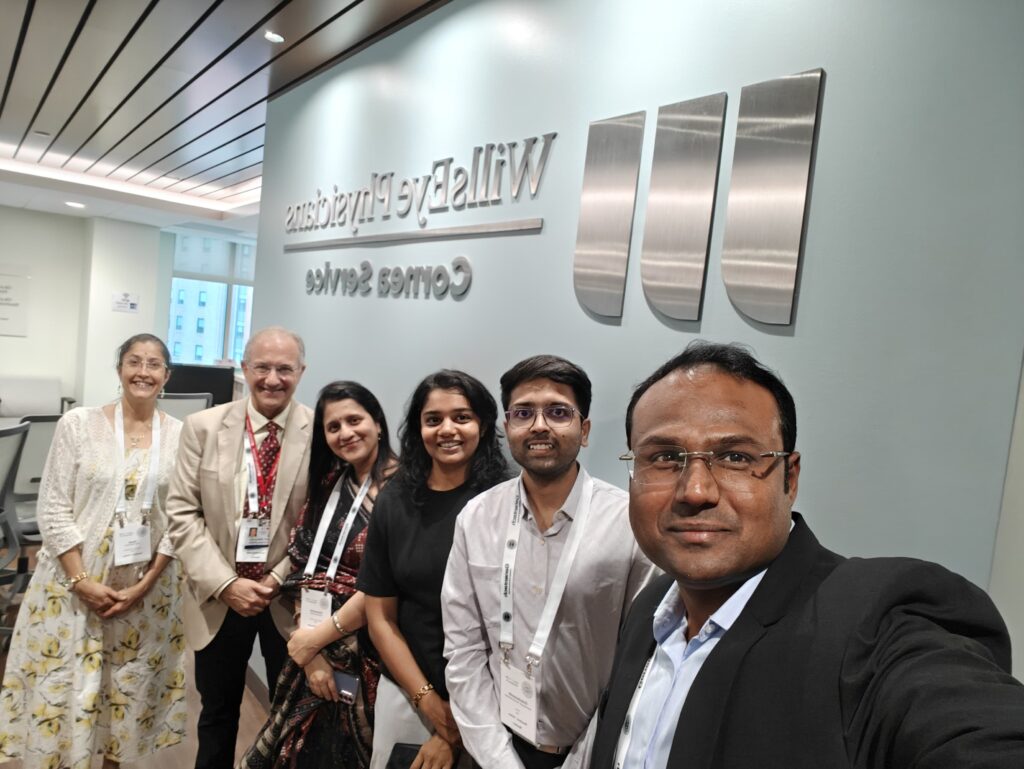
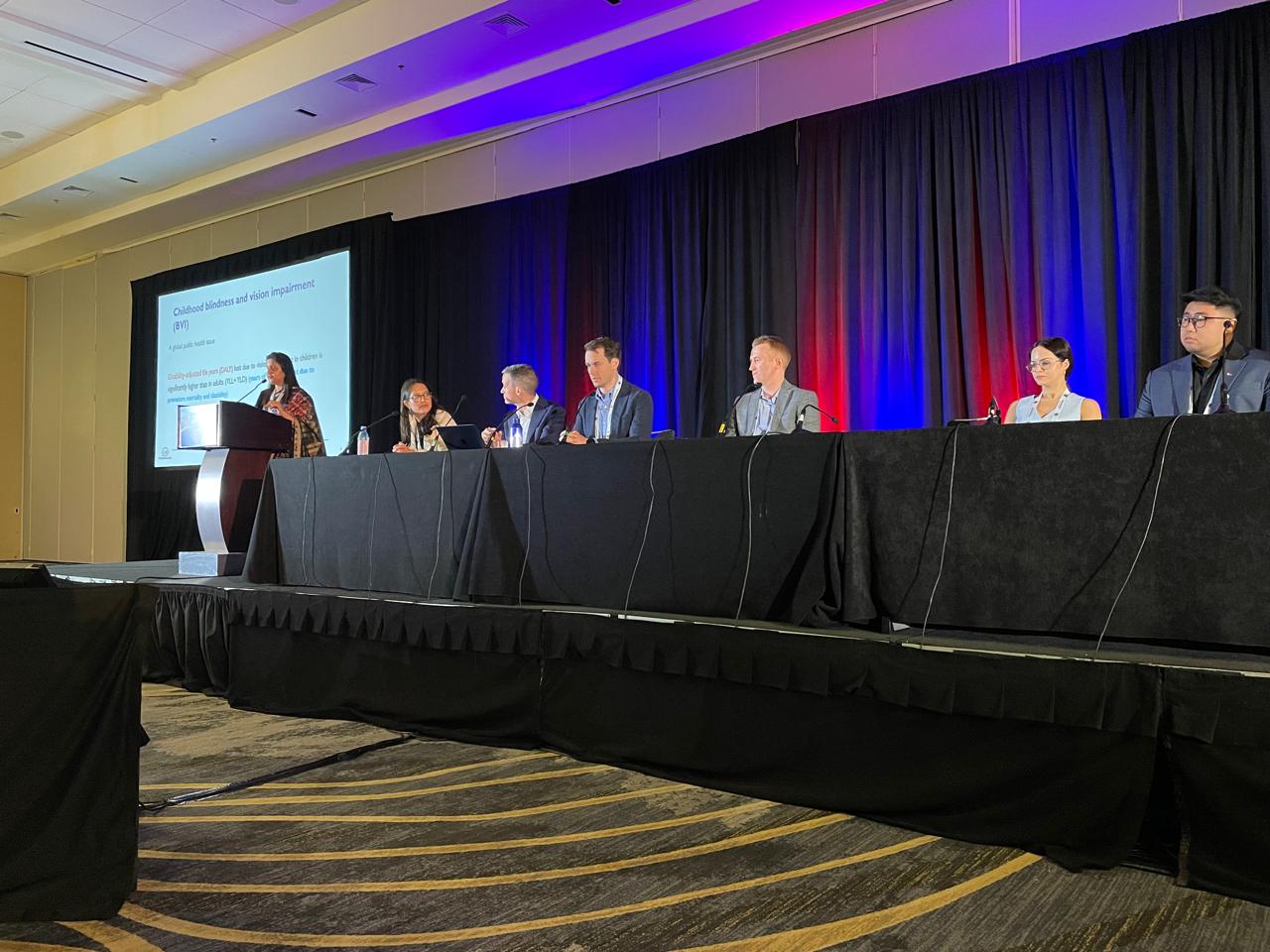
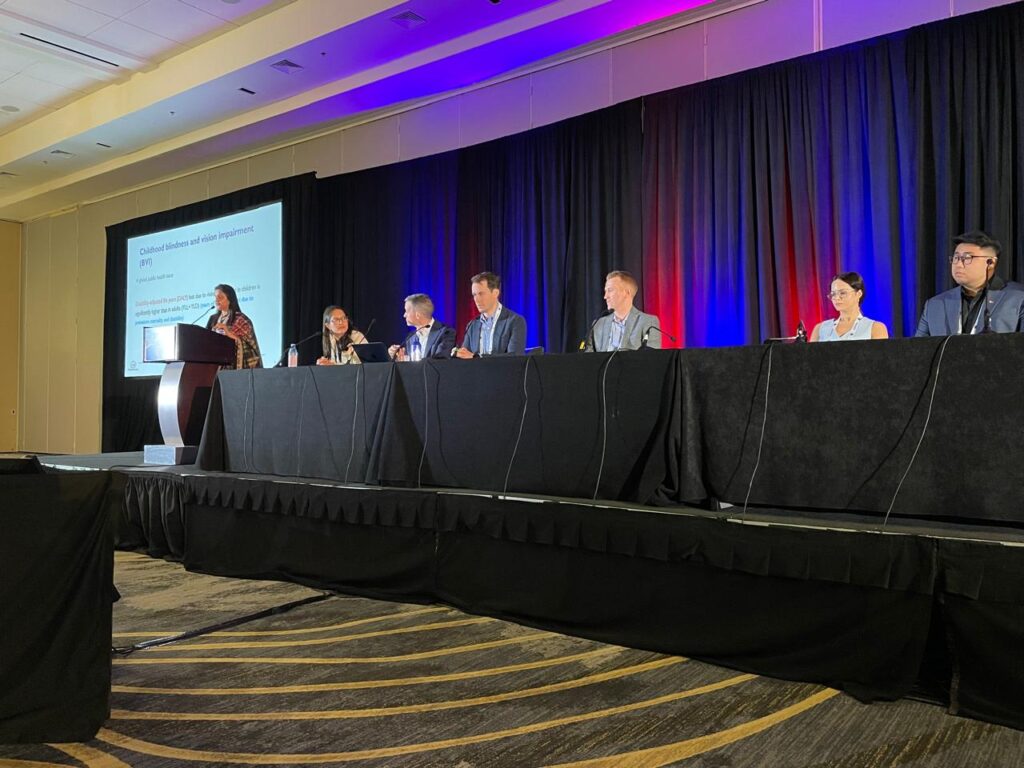
The L V Prasad Eye Institute faculty participated in the 5th Annual Global Ophthalmology Summit (GOS 2026), held in Philadelphia, Pennsylvania, USA, from August 7 – 9, 2026. Hosted by Wills Eye Hospital in partnership with the American Academy of Ophthalmology and the Global Ophthalmology Consortium, the summit convened global health experts, including ophthalmologists, trainees, researchers, and global health experts under the central theme, “Innovation, AI, and Technology: Expanding Access to Healthcare Worldwide.”
We were happy to have two Ophthalmologists from LVPEI represent us, and our work at the Summit.
Dr Debasmita Majhi, Consultant Ophthalmologist, also brought two major academic contributions to GOS 2026:
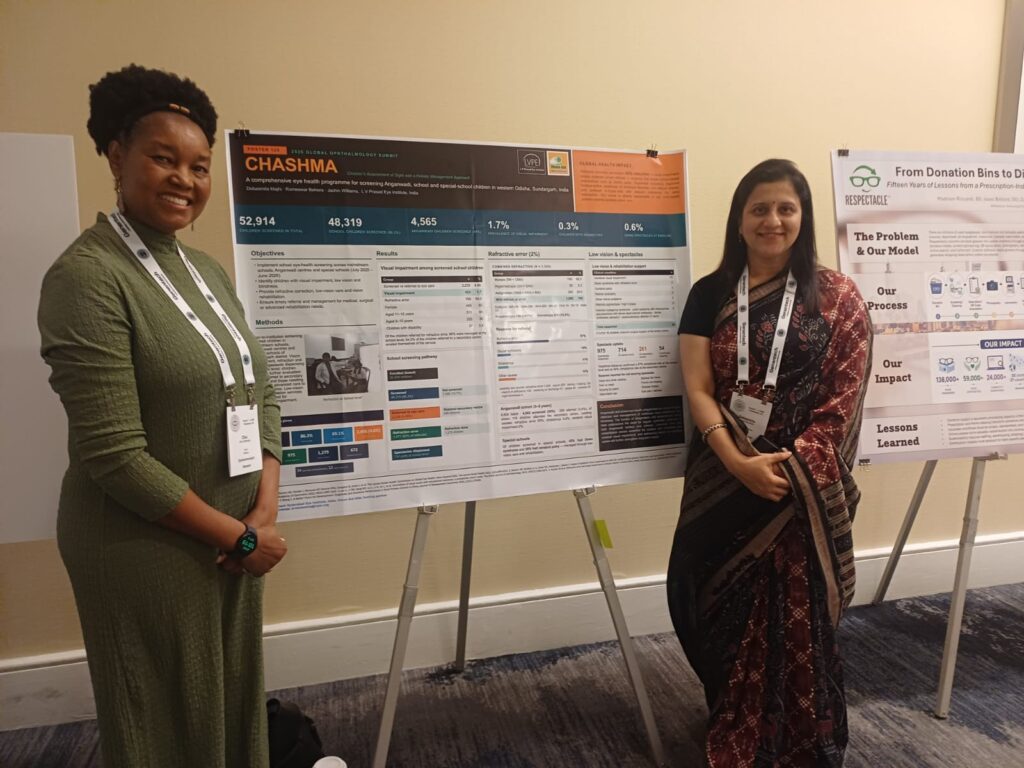
Dr Mayank Rai, Consultant Ophthalmologist, presented two posters at the summit, both of which drew strong engagement from the international audience:
Our participation in the Global Ophthalmology Summit provided an opportunity to share our work on community-based glaucoma care and integrated eye-care delivery models with an international audience. The knowledge and perspectives gained from the summit will be useful in strengthening ongoing clinical, research, teaching, and community eye-care initiatives at LV Prasad Eye Institute.
Beyond the poster presentations, Dr Mayank also participated in scientific sessions on artificial intelligence in glaucoma diagnosis and education, diabetic retinopathy screening in low-resource settings, community eye care, health-care delivery models and referral pathways. The discussions highlighted how AI and digital technologies can support screening, diagnosis, clinical decision-making and education when appropriately integrated into existing health systems. Sessions on diabetic retinopathy also emphasized the importance of scalable screening, effective referral mechanisms and sustainable models for low-resource settings. As part of the summit’s Hackathon, which focused on developing sustainable eye-care models tailored to the needs of specific geographical areas, Dr Mayank explored how different locational contexts can shape eye care delivery systems instead of using a ‘one size fits all’ approach.