
Retinitis Pigmentosa
Last updated: 28th April 2026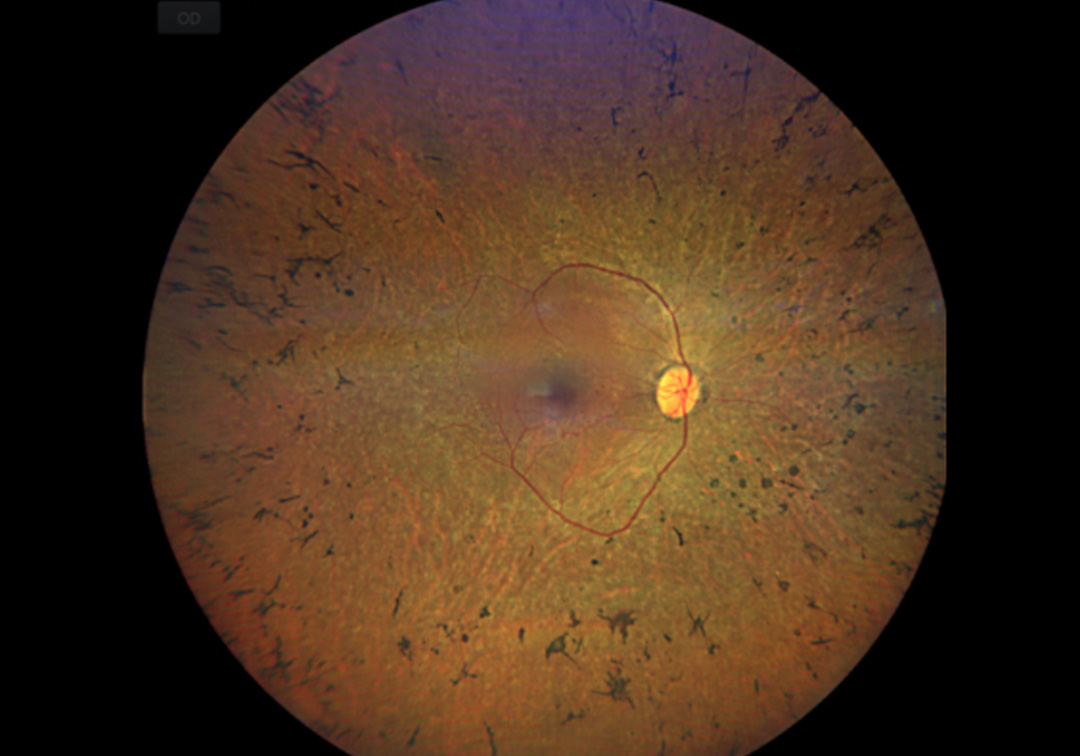
Overview
Retinitis Pigmentosa (RP) is a hereditary retinal disorder that causes progressive vision loss, often leading to blindness. The ‘Kallam Anji Reddy Molecular Genetics Laboratory’, is a pioneering facility at LVPEI that is dedicated to understanding and addressing inherited retinal diseases, including Retinitis Pigmentosa (RP).
This centre integrates clinical care, genetic diagnostics, and translational research, making it one of the few in India with a focused approach to Retinitis Pigmentosa. The lab conducts advanced genetic testing, screening, and functional studies to identify RP-causing genes and understand disease progression.
What is Retinitis Pigmentosa?
Retinitis Pigmentosa (RP) is a group of inherited eye diseases that results in a gradual degeneration of vision. It affects the light-sensitive (photoreceptor) cells in the retina, destroying them over time. RP usually starts with trouble seeing at night, followed by a narrowing of your peripheral vision, although the type and speed at which RP progresses vary between individuals. Retinitis Pigmentosa is more common in consanguineous relationships [1].
RP is caused by mutations to genes that disrupt their functioning, and its progression can severely impact quality of life and productivity. There is no cure for Retinitis Pigmentosa, though quality of life can be improved. A 15-year LVPEI study found Retinitis Pigmentosa to be the second leading cause of new cases of blindness in South India, with a notably higher prevalence due to consanguinity [2].
Symptoms
- Night blindness (early symptom of RP)
- Tunnel vision (progressive narrowing of visual field)
- Difficulty adjusting to dim lighting
- Loss of peripheral vision
- Eventual central vision loss (advanced stages of RP)
Many retinal diseases are silent in the early stages. Prompt screenings, especially for at-risk individuals, is critical.
Causes and Risk Factors
There are no known risk factors for Retinitis Pigmentosa other than genetic predisposition.
- Associated conditions: RP may co-occur with other syndromes like Usher syndrome (hearing loss + Retinitis Pigmentosa).
- Genetic mutations: RP is primarily inherited; mutations in certain genes are common.
- Family history: Strong association with consanguineous marriages, especially in South India.
Treatment Options
There is no cure for Retinitis Pigmentosa. However, some treatment options offer support to ensure that those with vision loss can live a full life:
- Assistive technologies: like mobility aids, screen readers and magnifiers can greatly improve independence and quality of life.
- Clinical trials
- Low vision rehabilitation: LVPEI offers personalized support to help patients adapt to vision loss.
Frequently Asked Questions
Currently, there is no complete cure. However, gene therapy and clinical trials offer hope for certain genetic types.
If you’re experiencing night blindness or tunnel vision, consult an ophthalmologist. Genetic testing may be advised.
Yes, RP is a genetic condition. If someone in your family has it, you may be at risk.
Early diagnosis, regular eye exams, and low vision rehabilitation can help you maintain independence and quality of life
Absolutely. LVPEI provides genetic counseling, low vision services, and access to cutting-edge research and trials.
Yes, consanguineous unions (marriages between close relatives) increase the risk of inheriting certain genetic diseases.