POIESIS - V: 'Complications & Quandaries' Organized at LVPEI Hyderabad

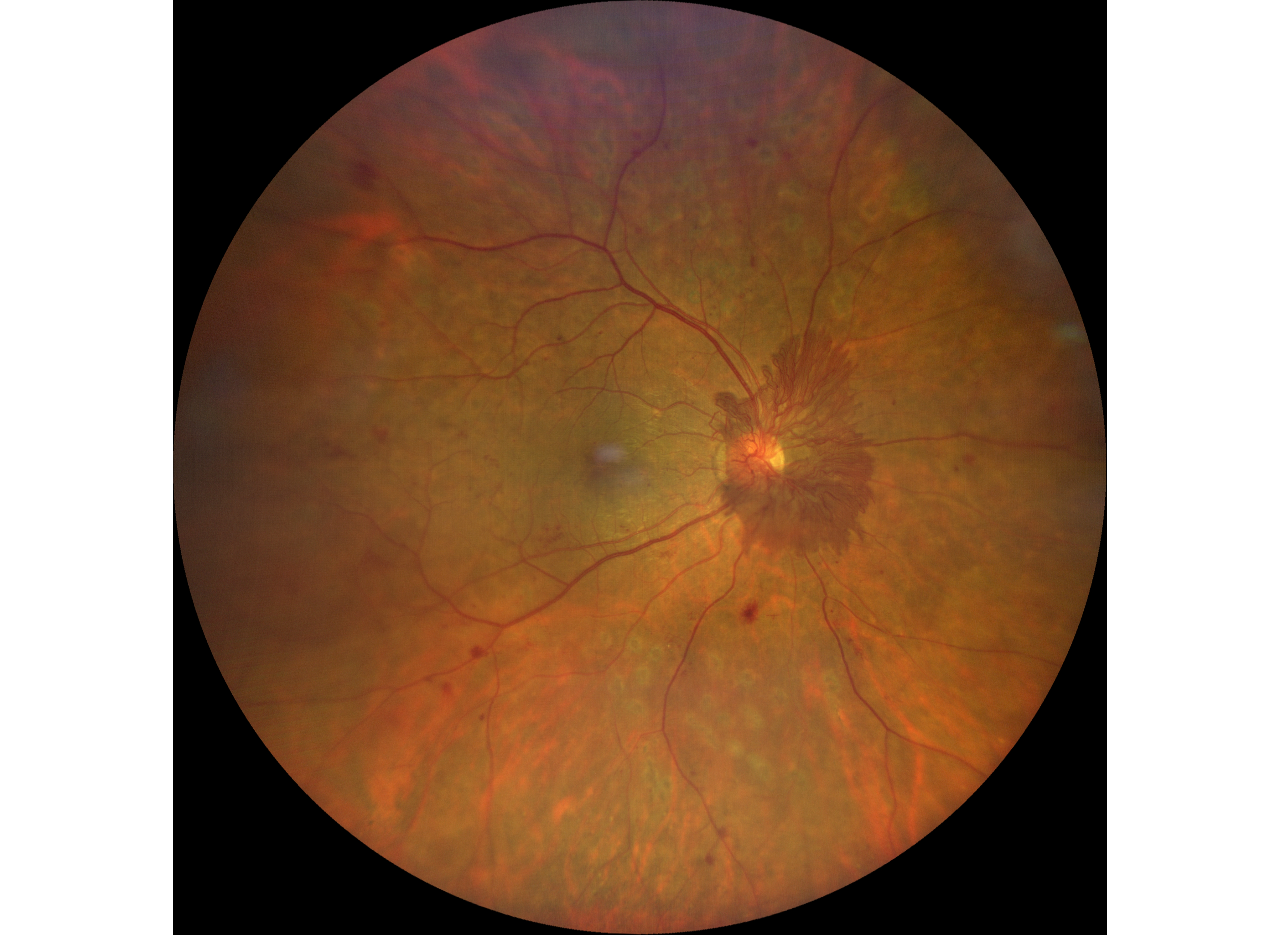
Diabetes impairs various parts of the body, including the eye. A consequence and complication of diabetes mellitus is diabetic retinopathy, a condition that damages the thin blood vessels on the retina, the light-sensitive inner layer of the eye. About a third of people living with diabetes develop diabetic retinopathy (DR) over the course of their lifetime.
Both type 1 and type 2 diabetes can lead to DR. Unregulated blood sugars are a major cause for DR, especially in India.
Long-term diabetes or unregulated blood sugar levels can damage the fine, capillary-rich retinal layer at the back of the eye. The retina is full of rods and cones, light-sensitive cells that convert light into electric signals that are transmitted to the brain. This layer is nourished by a mesh network of blood vessels.
In patients with diabetic retinopathy, these fine blood vessels begin to leak and rupture blood onto the retina. In its advanced stage, new and irregular blood vessels start to grow and bleed into the eye. DR may present as floaters in the eye, and lead to decreased or fluctuating vision.
The central retina is especially rich with light-sensitive cells and is called the macula, and its very centre is the fovea. We use the fovea for detailed and crisp vision, such as for readings these words. Chronic diabetes can lead to a buildup of leaked fluids, blood and protein deposits behind the macula, inflaming and thickening it, and ultimately, damaging vision.
DME and DR are tightly linked, though not all people with DR may develop DME. The difference may include the location of the capillary hemorrhage (central or peripheral retina).
DR has no visible symptoms in the early stages of the disease. The risk factors to look out for are unregulated blood sugars or chronic hypertension. People with diabetes should look out for the following signs:
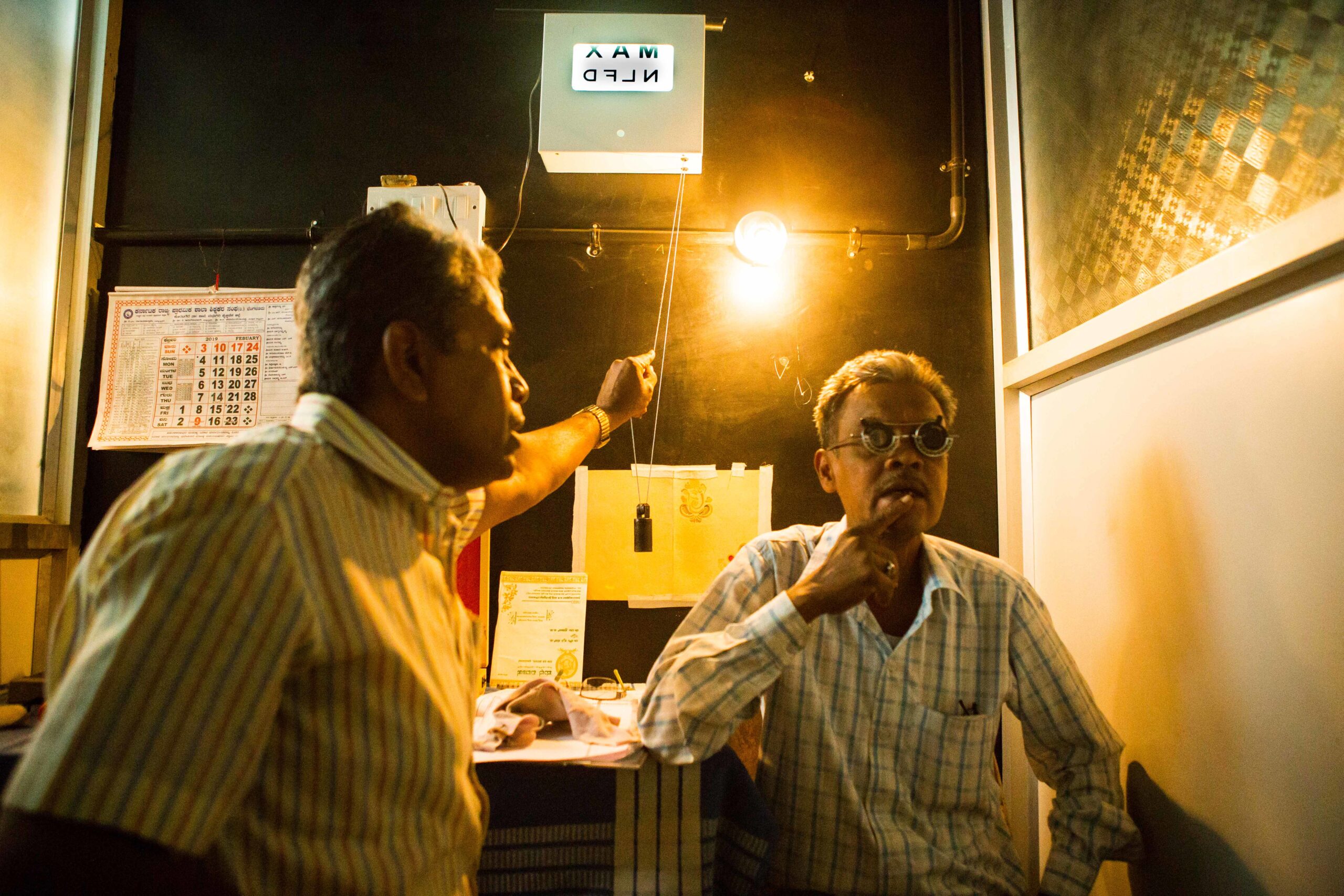
People living with long-term diabetes, with high HBA1C scores, or those with hypertension are at risk. Regular, comprehensive eye examinations will help identify DR onset.
Bringing blood sugars and blood pressure under control is the critical first step towards managing diabetic retinopathy.
Untreated or neglected diabetic retinopathy can lead to blindness. However, bringing blood sugars and blood pressure under control along with appropriate treatment can prevent blindness from DR. Early diagnosis and treatment are vital—if you are diabetic, please plan to get your eyes checked at regular intervals.
Age or body weight alone are not the only risk factors for diabetes (and diabetic retinopathy). It is estimated that nearly 70-90% of Indians with diabetes are unaware of their condition. Our diets and lifestyle, along with population genetics, seems to be putting us at special risk of diabetes—some call India the diabetes capital of the world.
Plan to get your HBA1C checked periodically. Get your eyes checked at least once a year.
Yes, but it may have minor side effects. Speak to your retinal specialist and discuss your options with them.
People living with diabetes have a long-term risk of developing diabetic retinopathy. However, maintaining overall health including not smoking, regulated blood sugars, and a healthy weight can help prevent DR.
Don’t worry. Speak to your doctors and follow medication schedules without fail. Keep your blood sugars under control and plan regular eye checkups so that your vision can be preserved.