Did You Say Hello?
Written by Soujanya Padikkal
Published 27th August 2026 / Last updated 28th August 2026
In a retrospective study, Ruby K Prakasam, Anjali Tripathi and colleagues from LVPEI show that assessing academic and non-academic competencies while selecting candidates for an ophthalmology program provides a more holistic view of their abilities.
‘You are in a group meeting brainstorming ideas for a patient awareness campaign. You have a great idea, but some team members seem to favor another approach. How do you proceed?’ This is one of the scenarios presented to candidates applying for an ophthalmology fellowship at LVPEI. There is no single correct answer. These scenarios are designed to demonstrate how a candidate thinks, communicates, collaborates, and responds to such situations – qualities that can be difficult to assess through academic scores alone, but important in clinical practice.
Soft skills like communication, teamwork, critical thinking, problem-solving and time-management can influence how doctors work with colleagues and patients. Situational judgment tests (SJTs) offer a well-established way to assess these important non-academic attributes.
They present realistic job-related scenarios that ophthalmologists might encounter in their workplace and assess how they would respond. Medical institutes have been incorporating these scenario-based questions into the selection process. But does it actually help assess candidates beyond their academic performance?
Situational judgment tests (SJTs) offer a well-established way to assess these important non-academic attributes.
In a new study published in the Indian Journal of Ophthalmology, Ruby K Prakasam and colleagues from LVPEI explore whether SJTs help evaluate candidates for ophthalmology selection. The researchers analysed data from 68 fellowship candidates (45 female) who were part of the selection process in 2024. The candidates gave a presentation on an ophthalmology topic that was assessed using Bloom’s taxonomy— a pyramid framework that categorizes a pyramid framework that categorizes learning from remembering information to creating new ideas.
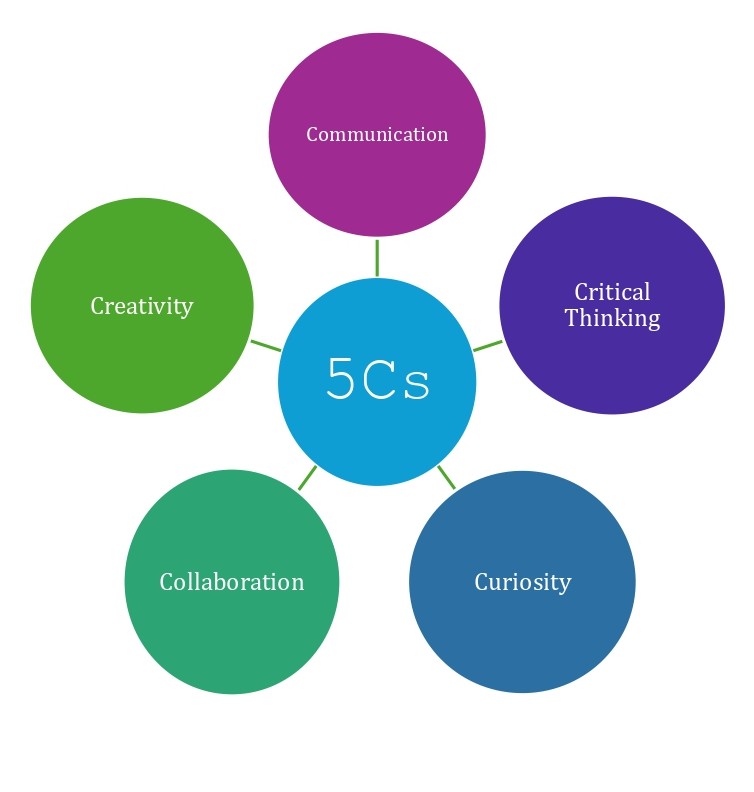
They were then presented with scenarios as part of a situational judgement test which was designed around five attributes – collaboration, communication, curiosity, critical thinking, and creativity. Their responses were scored through a preset grading system. The interviewers assessing academic and non-academic attributes worked independently.
Combining both academic and nonacademic assessments could therefore provide a more complete picture of a candidate’s abilities during fellowship selection.
The results showed that candidates had a median score of 61.1% in their presentation compared with 85.4% in their SJTs, with this difference being statistically significant. Interestingly, the authors also found no significant correlation between presentation and SJT scores, suggesting that candidates who performed well in academic examination did not necessarily perform well in the SJT, and vice versa.
This suggests that relying solely on academic performance may not be sufficient to assess skills like communication and critical thinking. Combining both academic and nonacademic assessments could therefore provide a more complete picture of a candidate’s abilities during fellowship selection.
‘This study highlights the value of using SJTs in fellowship selection by demonstrating their potential to assess important non-academic attributes alongside academic performance, providing a more holistic picture of a candidate’s abilities’, notes Dr. Ruby K Prakasam, Educational Research Scientist, LVPEI.
Citation
Prakasam, R. K., Tripathi, A., Kapoor, A., Bejjanki, K. M., Pathengay, A., & Snigdha, S. (2026). Use of situational judgment test for evaluating nonacademic attributes in ophthalmology fellowship selection Indian Journal of Ophthalmology https://doi.org/10.4103/IJO.IJO_2484_25
Photo Credit: Soujanya Padikkal