L V Prasad Eye Institute, GMR Varalakshmi campus expands capacity with Bharat Biotech Floor


Published 26th June 2026
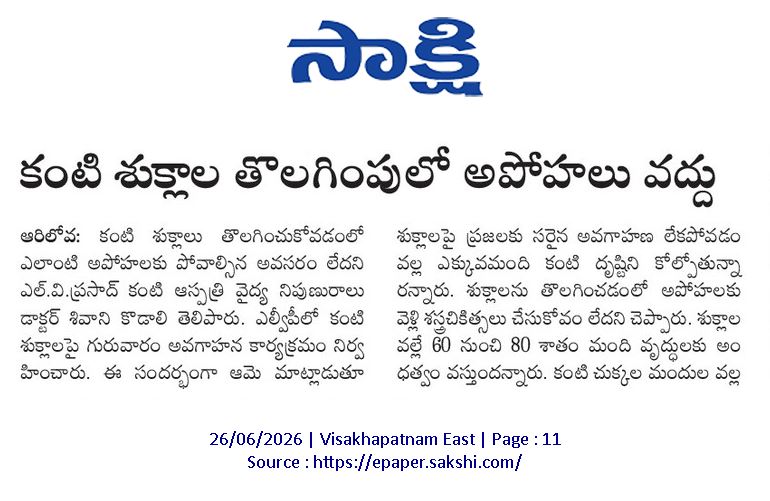
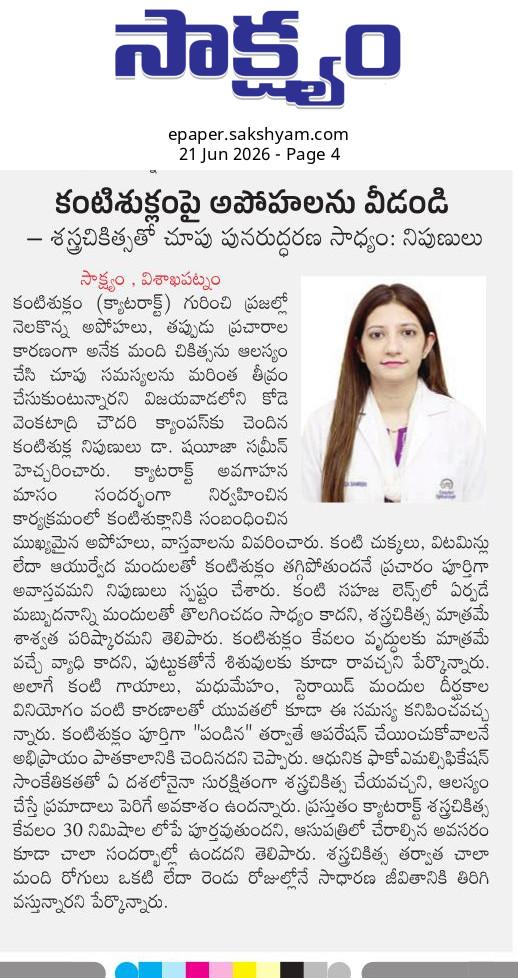
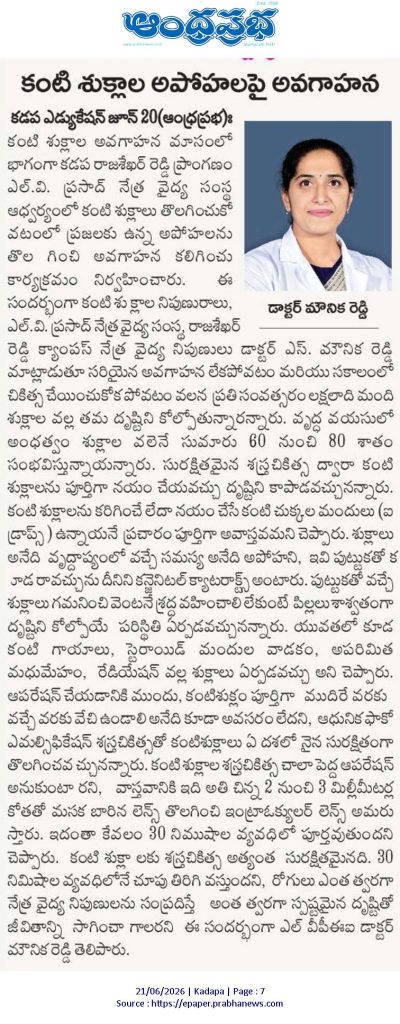
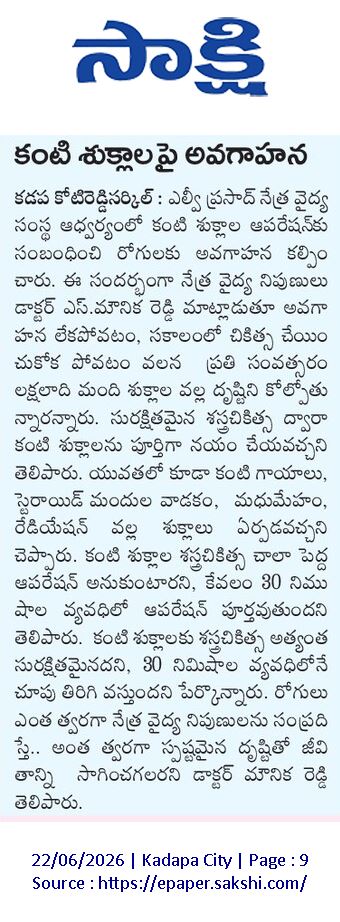
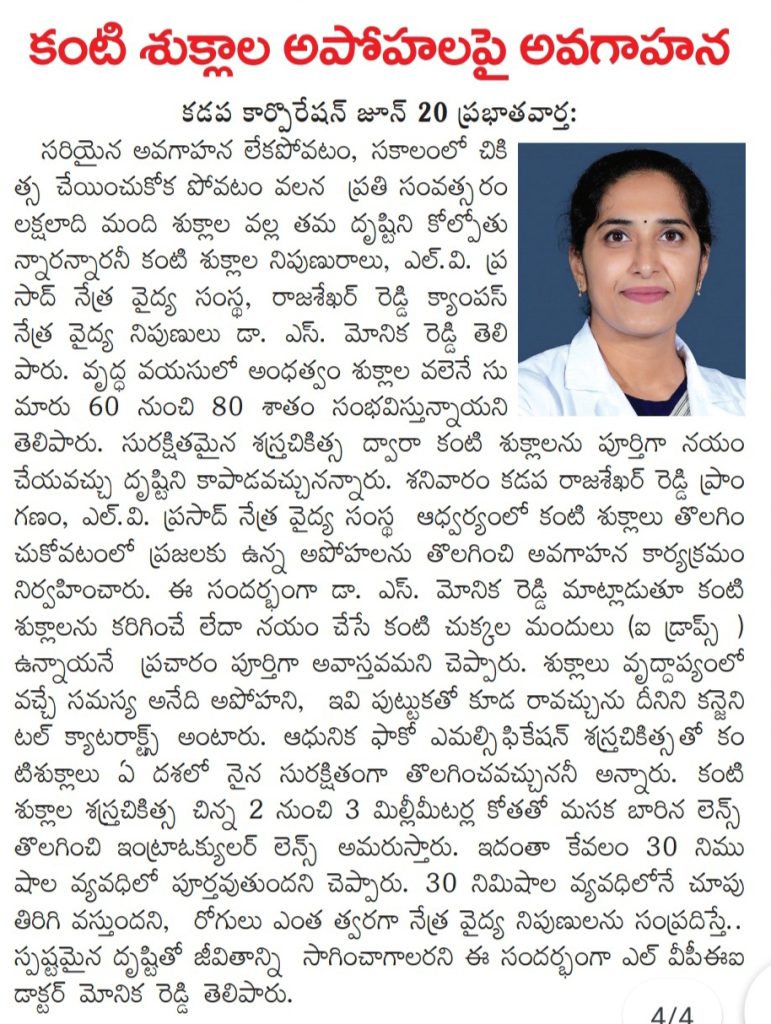
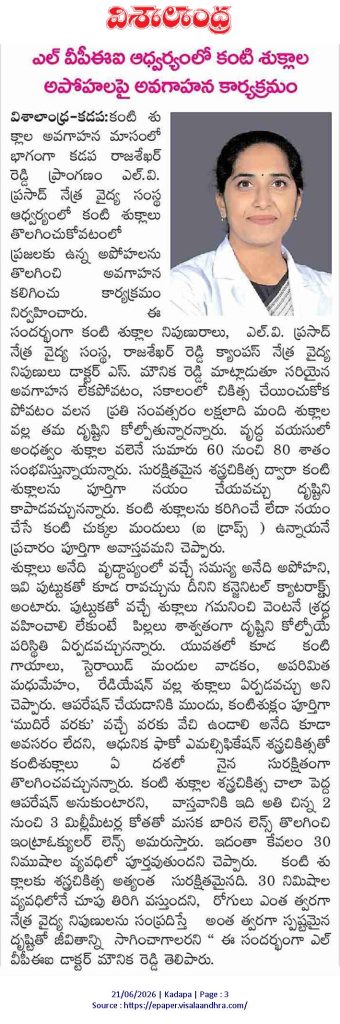
Every year, millions of Indians lose their sight to cataract, because of misinformation and delayed care. Cataracts remain the leading cause of reversible blindness in India, accounting for an estimated 60–80% of blindness in the older population. Cataracts are entirely treatable with a safe, quick surgical procedure. Yet a surprising number of patients continue to rely on unproven remedies or wait far too long before seeking medical help.
As part of Cataract Awareness Month, the specialists at GMR Varalakshmi campus in Visakhapatnam set the record straight, by sharing a few most common myths and facts about cataracts that every patient and family need to be aware of.
This is perhaps the most dangerous myth circulating today. Walk into any pharmacy or browse online, and you will find products claiming to dissolve cataracts with drops or herbal formulations. Patients often spend months using these products, only to find their vision steadily worsening.
A cataract is not an infection or inflammation. It is a physical clouding of the eye’s natural lens caused by protein breakdown — a structural change that cannot be undone by using any medication.
The truth is straightforward: no eye drop, vitamin, or herbal remedy can reverse a cataract! The only effective treatment for decades has been surgery, and it still is.Patients who delay surgery while trying these products often arrive with far more advanced cataracts, making the procedure unnecessarily complex.
While it is true that most cataracts develop with age, they are by no means exclusive to the elderly. Cataracts present at birth are called congenital cataracts. They require urgent attention. Untreated congenital cataracts can permanently impair a child’s visual development within the first few months of life.
In younger adults, cataracts can develop as a result of eye injuries, prolonged use of steroid medications, uncontrolled diabetes, or exposure to radiation. These are conditions that can affect anyone, of any age. Parents should have their newborns’ eyes checked early, and anyone experiencing unexplained blurring of vision should see an ophthalmologist — regardless of their age.
This belief has been passed down through generations and, unfortunately, still influences many patients’ decisions. The idea of a “ripe” cataract is rooted in surgical techniques from several decades ago, when operating on a less mature cataract was difficult. That is no longer the case.
With modern phacoemulsification surgery, cataracts can be safely removed at any stage of maturity. In fact, waiting for a cataract to become “overripe” or hypermature makes the surgery more difficult and risky. Advanced cataracts are harder to remove, carry a higher chance of intraoperative complications, and may have already caused irreversible damage to the optic nerve or other ocular structures through elevated eye pressure.
The right time to consider surgery is when the cataract starts affecting your daily activities — when you have difficulty reading, struggling to drive at night, or finding that colours appear faded or washed out. Do not wait until you can barely see.
Many people imagine a prolonged hospital admission, general anaesthesia, and weeks of recovery. In reality, phacoemulsification (the gold-standard procedure for cataract across the world) involves a tiny incision of just 2 to 3 millimetres. The clouded lens is broken up using gentle ultrasound energy and removed, and an intraocular lens is placed in its position. The entire procedure typically takes under 30 minutes, done under local or topical anaesthesia, and requires no overnight hospital stay. Most patients notice a significant improvement in vision within 24 hours and return to their normal routine within a few days.
Every year, we see patients who have lost months, sometimes years of good vision simply because they believed these myths. They tried drops that did not work, or they waited for their cataract to ‘ripen,’ and by the time they came to us, the damage is far greater than it needed to be. Cataracts are the most treatable cause of blindness in the world.
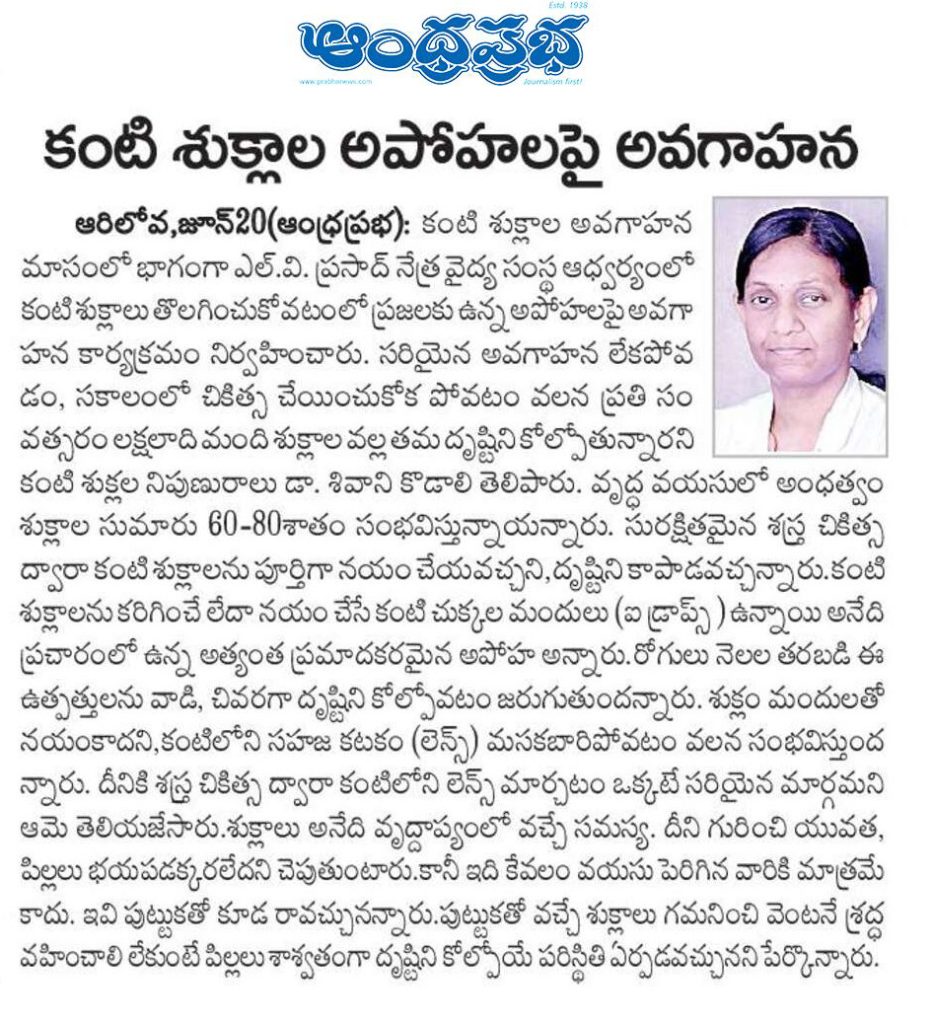
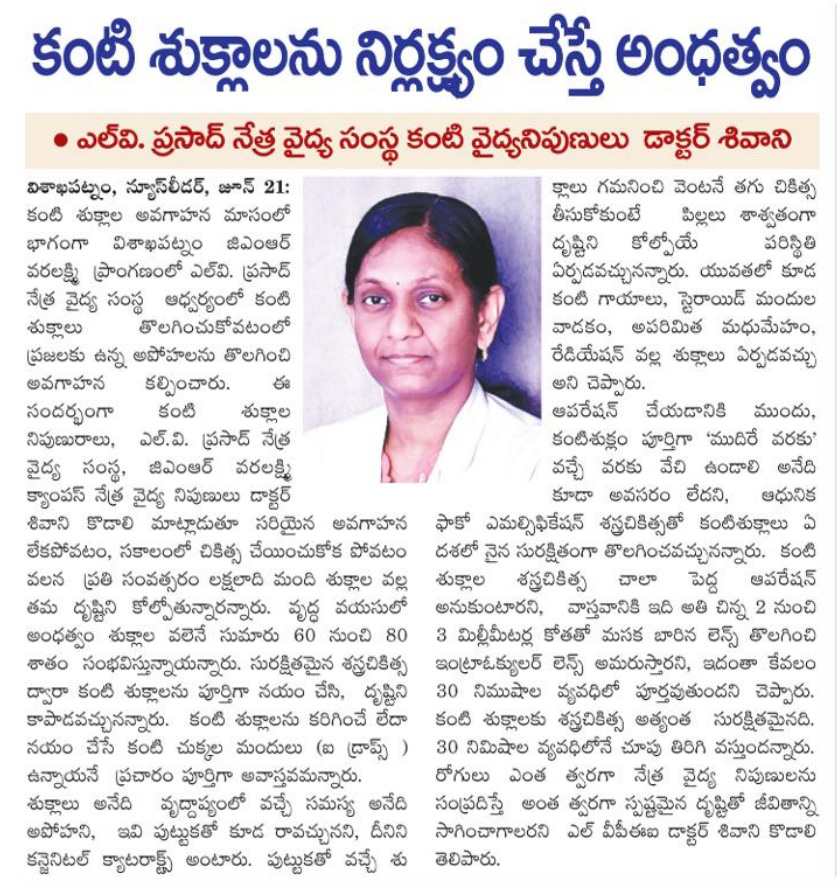
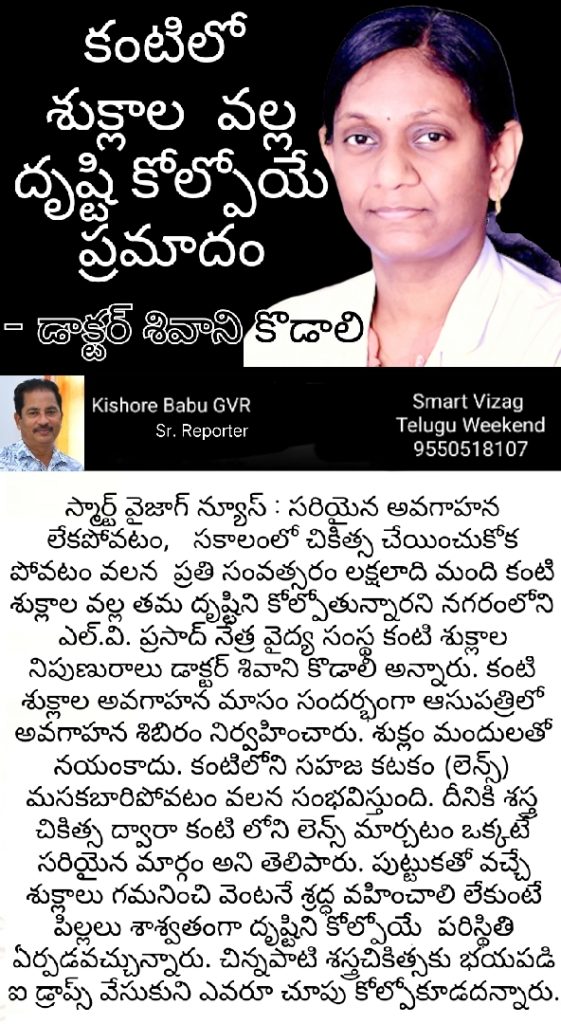
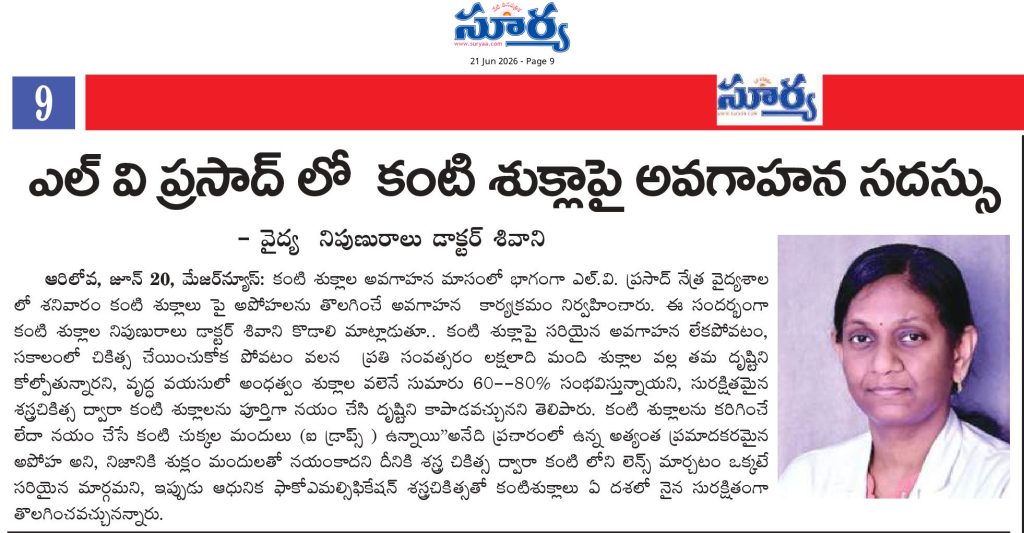
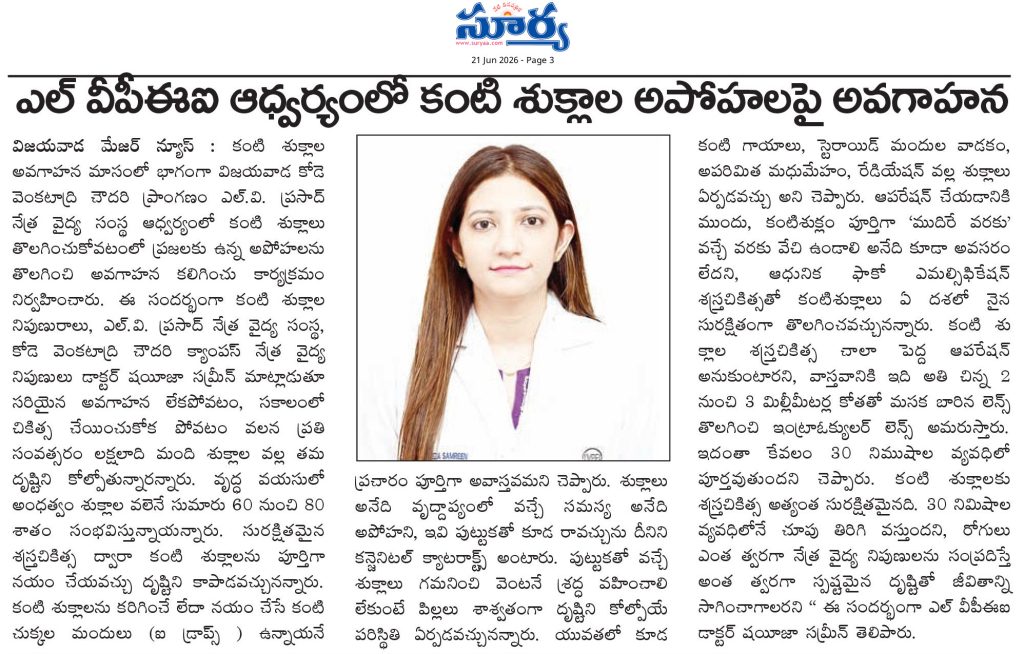
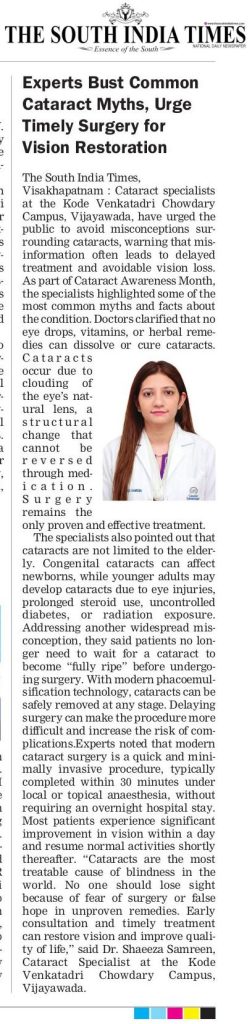
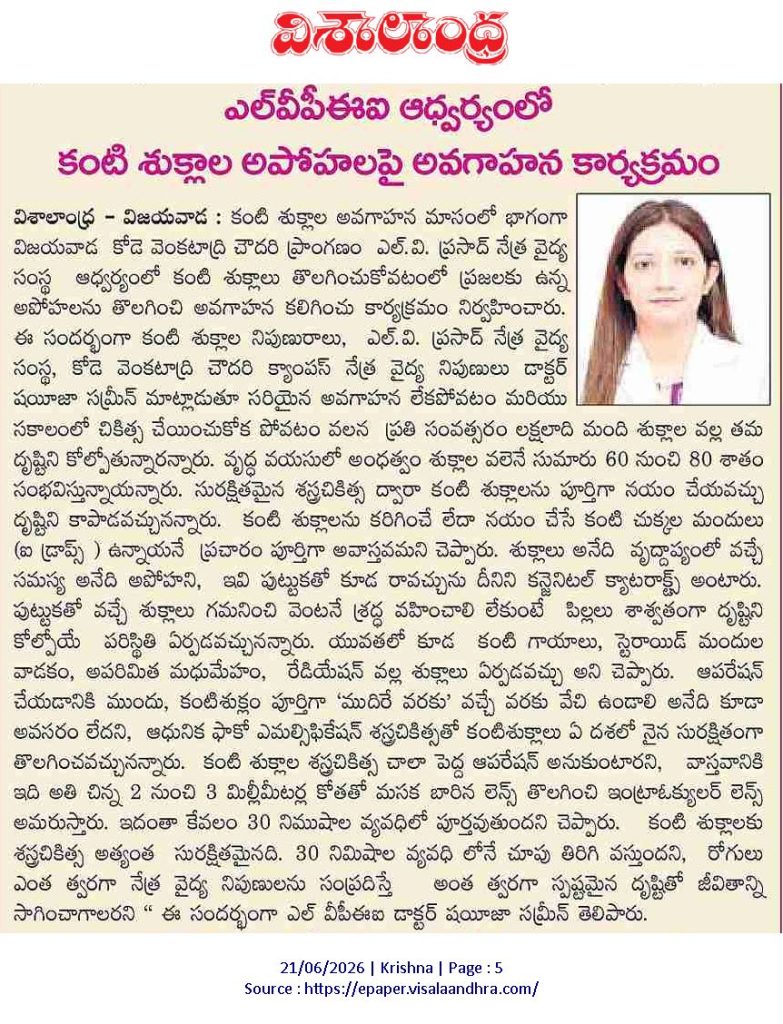
“No one should go without sight because of a fear of surgery or a false hope in a bottle of drops. Cataracts are treatable, surgery is safer than ever before. Restoring sight takes less than 30 minutes. The sooner patients seek professional advice, the sooner they can get back to living life with clear vision.” Says Dr Sivani Kodali at the GMR Varalakshmi campus, Visakhapatnam.
About LVPEI: Established in 1987, with the vision, ‘to create excellent and equitable eye care systems that reach all those in need,’ the L V Prasad Eye Institute (LVPEI), a comprehensive eye health facility, is a World Health Organization Collaborating Centre for the Prevention of Blindness.
In pursuance of this vision, LVPEI clinician scientists work at the cutting edge of eye research. Through its five-tier ‘Eye Health Pyramid’ and cross-subsidy models, LVPEI provides more than 50% of its services entirely at no cost to the patient, irrespective of the complexity of care needed. LVPEI is among the world’s top eye researchers with over 5,000 published scientific papers in prominent international journals.
For further information, please visit the Institute’s website, www.lvpei.org.
Contact: Aneetha Kanukolanu, Associate Director- Network Communications
Phone: +91 40 6810 2272
Email: aneetha.kanukolanu@lvpei.org
Website: www.lvpei.org