Epigenetic Regulation in Retinoblastoma
Written by Soujanya Padikkal
Published 29th October 2026
Gaurab Kumar Jha, Azima Fatima, Alok Srivastava, Swathi Kaliki and Rani Pallavi from the LV Prasad Eye Institute identify dysregulated epigenetic factors that could explain tumor heterogeneity in retinoblastoma.
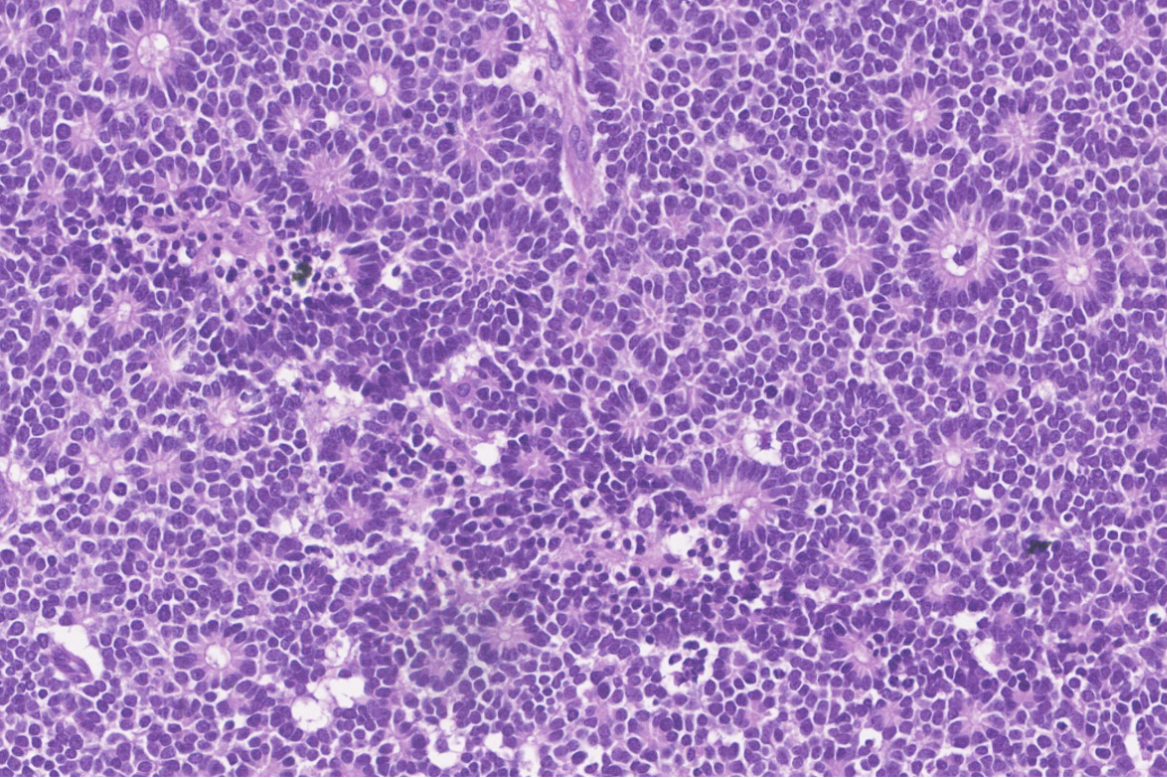
No two cancers are the same. As cancer cells multiply, several factors influence how tumors develop. Take retinoblastoma, a childhood eye cancer that affects the retina (the light-sensitive tissue at the back of the eye). Both copies of the RB1 gene must be inactivated for retinoblastoma to develop.
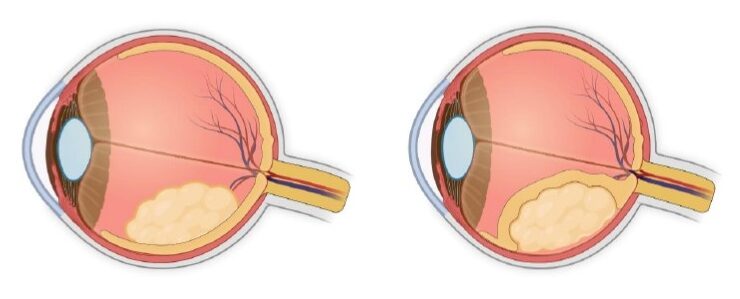
While this gene loss triggers most retinoblastoma – variations in other gene activity too have been associated with how the tumor behaves, not just their presence or absence. A RB tumor, for example, can either extend outwards from the retina into the gel-filled cavity inside the eye, or expand inwards into the space between the retina and the sub-retinal tissue beneath it. So, what determines this transcriptional heterogeneity?
Both copies of the RB1 gene must be inactivated for retinoblastoma to develop.
One possibility lies in epigenetic factors, which regulate how genes are switched on or off without changing the underlying DNA sequence. Changes in their activity have been linked to several cancers. It is likely that the heterogeneity in retinoblastoma tumors is driven by epigenetic changes such as DNA methylation. However, the overall expression of epigenetic factors and their contribution to differences between retinoblastoma tumors has not been explored. Any variations within these factors could explain the molecular differences that distinguish different kinds of RB tumors.
In a new study published in Investigative Ophthalmology and Visual Science, Gaurab Kumar Jha and colleagues from LVPEI analyzed publicly available gene-expression datasets to explore the role of epigenetic factors in RB. They compared data from 177 RB tumors with three healthy fetal retinal samples, examining a catalogue of 834 known epigenetic factors.
They identified factors whose expression varied between tumor and healthy tissue and used a computational method to classify tumors with similar patterns of epigenetic factors activity. They then repeated the analysis using an independent dataset of 50 retinoblastoma tumors to assess whether the patterns could be reproduced.
The findings suggest that the heterogeneity observed in RB, may be linked to epigenetic machinery of the tumors, offering potential biomarkers and targets for epigenetic therapies.
The researchers identified 133 epigenetic factors whose expression varied across the RB samples. Of these, 70 were upregulated (higher gene expression), while 63 were downregulated (lower gene expression). Based on variance in the expression of these epifactors, the 177 tumors could be grouped into two clusters: one was associated with cell division and proliferation—which grew inwards, while the other with immune response and cellular stress—which grew outwards into the gel-filled cavity.
In addition, the study found nine epifactors involved in processes such as cell growth and DNA replication that were consistently upregulated across all tumors. The findings suggest that the heterogeneity observed in RB, may be linked to epigenetic machinery of the tumors, offering potential biomarkers and targets for epigenetic therapies. However, these need further validation through specific experimental studies.
‘Our multi-cohort transcriptomic analysis suggests a hierarchical organization of epigenetic regulation in RB that consists of consistently upregulated core epigenetic factors to RB subtype-defining epigenetic factors, and their complexes’, comments Dr. Rani Pallavi, Research Scientist at LVPEI and corresponding author of the paper. ‘These findings provide novel mechanistic insights into RB tumor diversification from a common RB1-deficient origin’.
Citation
Jha GK, Fatima A, Srivastava A, Kaliki S, Pallavi R. Epigenetic Factor Dysregulation and Distinct Expression Signatures in Retinoblastoma: A Transcriptomic Analysis. Invest Ophthalmol Vis Sci. 2026 Aug 3;67(10):43. doi: 10.1167/iovs.67.10.43. PMID: 42606187; PMCID: PMC13492559.
Photo credit: Excerpted from Fig 6: Jha GK et al.