Hard on the Eye
Written by Soujanya Padikkal
Published 30th July 2026
Anasua G Kapoor and colleagues from LVPEI provide proof-of-concept on the use of yellow laser photocoagulation to manage lid margin keratinization.
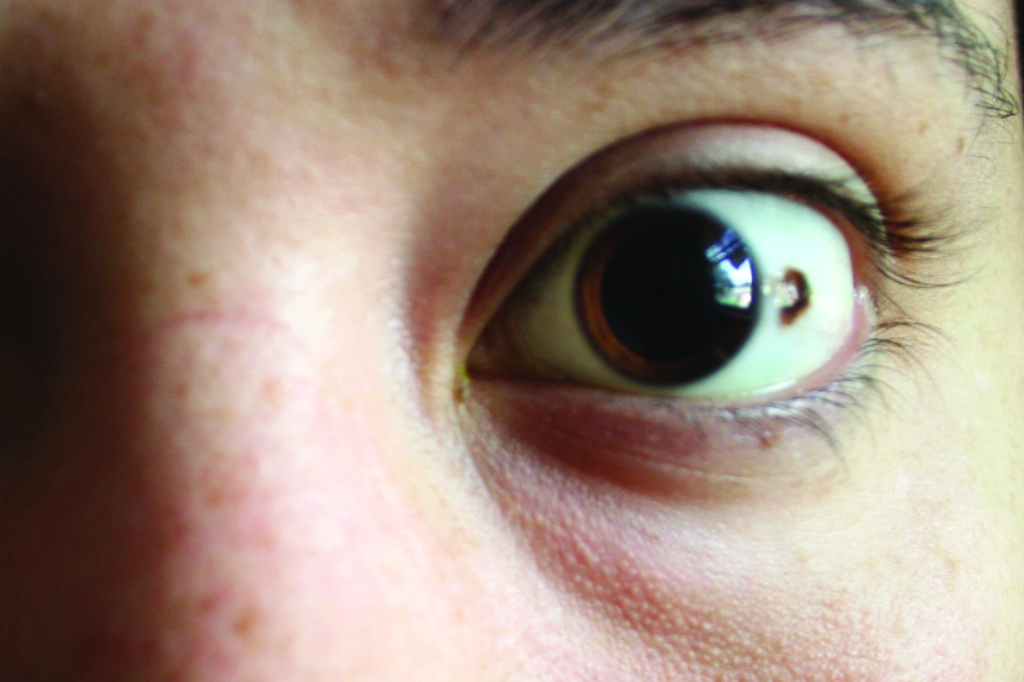
Keratin is a tough, structural protein that makes up our nails, skin, and hair. Imagine this – keratin plaques beginning to accumulate along the inner margin of your eyelid.
Now every time you blink, as the eyelid moves across the eye, these hard plaques rub against the cornea (the transparent outer surface responsible for refracting light) causing pain, inflammation and scarring that can permanently impair vision. In a healthy eye, the inner eyelid margin is lined by a soft mucous membrane that moves over the cornea without causing friction.
However, in severe inflammatory eye diseases such as Stevens–Johnson syndrome (SJS), a rare and severe allergic condition that affects mucous membranes, this lining accretes keratin, causing a condition known as lid margin keratinization (LMK).
Every time you blink, as the eyelid moves across the eye, hard plaques rub against the cornea causing pain…
The standard treatment for LMK, when it damages the cornea, is mucous membrane grafting (MMG), a surgical procedure where the affected eyelid lining is replaced with healthy tissue taken from the inside of a patient’s mouth. While highly effective, the procedure is invasive and may be more than what patients with small, localized areas of keratinization need.
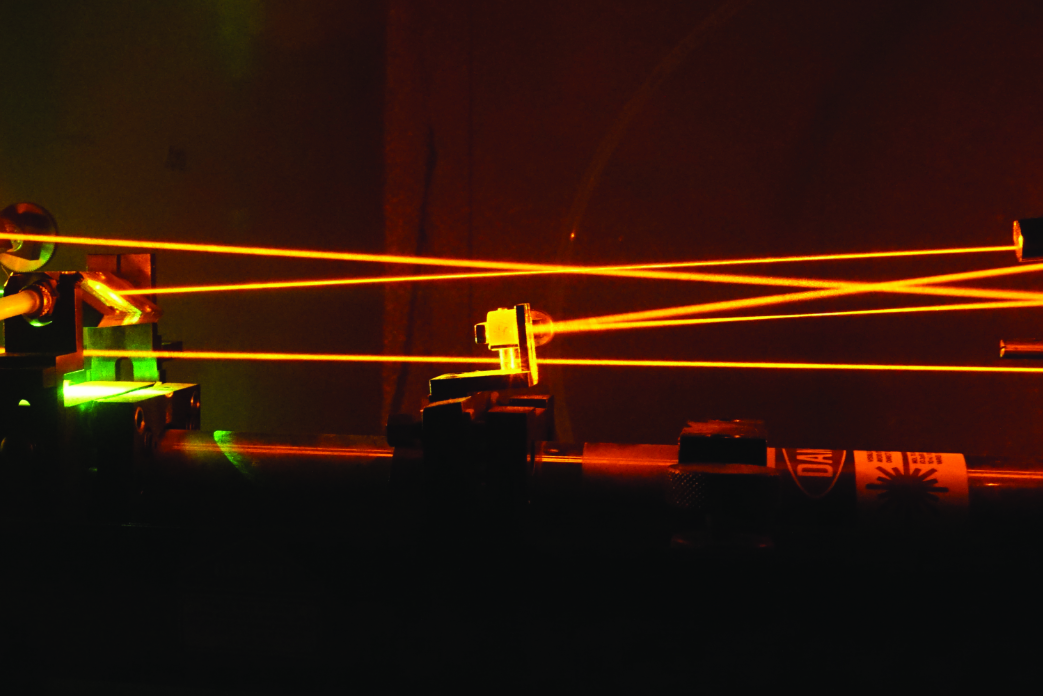
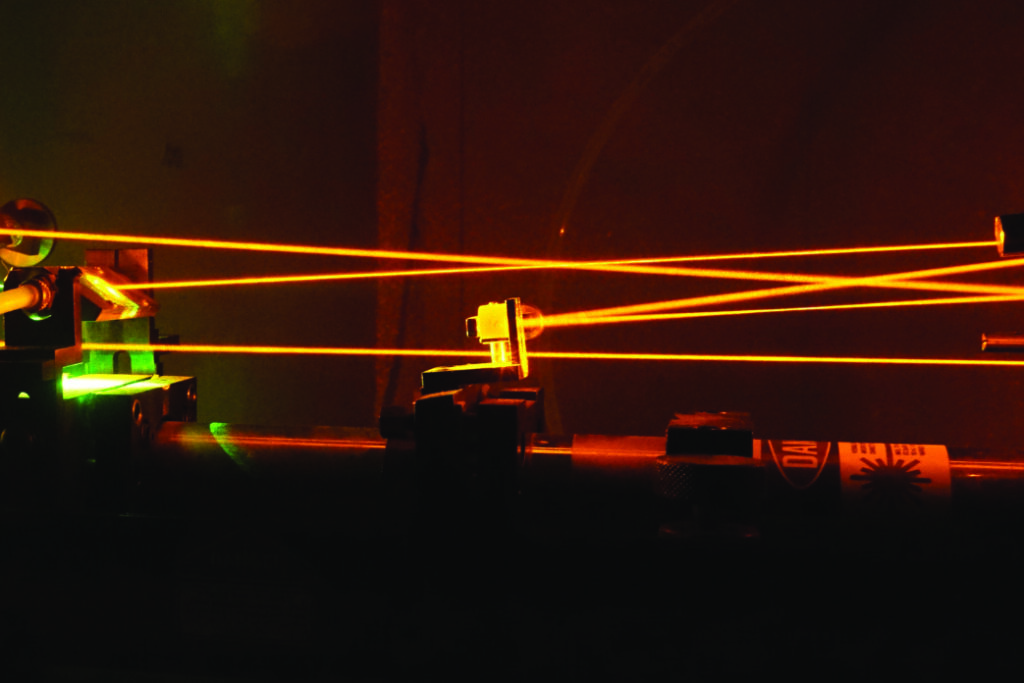
Ophthalmologists are therefore looking at minimally invasive alternatives like yellow laser photocoagulation (the process of using light to generate heat and surgically destroy tissue). As it can precisely target small areas while minimizing damage to surrounding healthy tissue, researchers are looking to remove the keratin plaques with yellow light photocoagulation instead of graft surgery.
In a case report published in Cornea, Anasua Kapoor and colleagues from LVPEI report on two patients with LMK who were treated with laser photocoagulation. The first, a 20-year-old man with mycoplasma-induced rash and mucositis, had a small, keratinized patch on his lower eyelid that was causing corneal damage.
The second, an 18-year-old woman with Stevens–Johnson syndrome, developed recurrent keratinized plaques along the edges of previous mucous membrane grafts in all four eyelids. Both patients underwent laser treatment under local anesthesia, with laser applied directly to the keratinized tissue until it turned grey.
Laser photocoagulation is already available in most ophthalmic clinics. It does not require general anesthesia or donor tissue…
The first patient developed a recurrence two months later, which was successfully treated by first removing the keratin plaque with a sterile cotton bud before repeating the laser. At six months, both patients remained symptom-free without further recurrence.
The authors postulate that the laser targets the blood vessels supplying the inner lid margin, reducing the delivery of inflammatory signaling molecules that drive the transformation of the membrane from soft mucosal lining to hard keratinized deposits. Laser photocoagulation is already available in most ophthalmic clinics. It does not require general anesthesia or donor tissue, and does not cause a surgical wound. The authors recommend further studies to establish its safety and long-term efficacy.
‘Lid margin keratinization can be profoundly sight-threatening, yet the standard treatment is often more invasive than necessary for localized disease. Our study provides proof-of-concept that yellow laser photocoagulation may offer a simple, tissue-sparing alternative for carefully selected patients, potentially reducing surgical morbidity while preserving the ocular surface’, notes Dr. Anasua Ganguly Kapoor, Consultant Ophthalmologist at LVPEI and the corresponding author of this study.
Citation
Kate A, Mateen SR, Rana A, Basu S, Kapoor AG. Laser Photocoagulation for Ocular Surface Keratinization: A Minimally Invasive Modality of Treatment. Cornea. 2026 Jun 1;45(6):785-788. doi: 10.1097/ICO.0000000000004002. Epub 2025 Oct 3. PMID: 42085715.
Photo credit: 589nm laser; Zaereth; CC BY 4.0