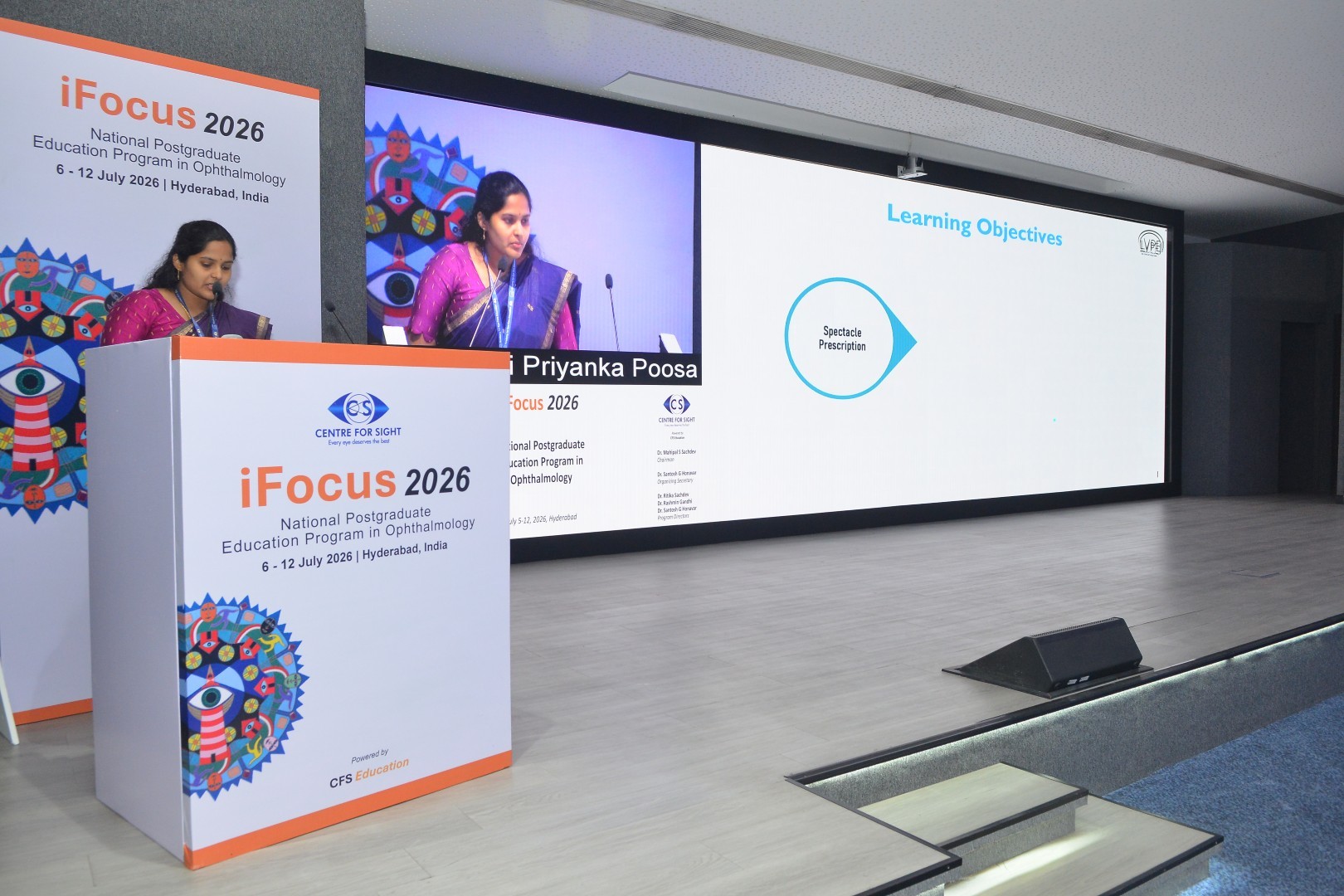
62nd Indian Contact Lens Education Program Held at LVPEI KAR, Hyderabad

Written by LVPEI Communications
Published 28th July 2026
When it comes to orbital diseases, there is more than meets the eye. Orbital diseases are known to impact facial appearance, eye movement, neurological function, and in severe infections and malignancies, even life. For people who require this care, the journey to recovery is rarely straightforward. Treatment can involve Ophthalmologists trained in Ophthalmic Plastic Surgery, Endocrinologists, ENT specialists, Neurosurgeons, Oncologists, and Rehabilitation specialists, each addressing the systemic nature of the condition. When these conversations happen in isolation, patients end up navigating the healthcare system spanning across different Institutes.
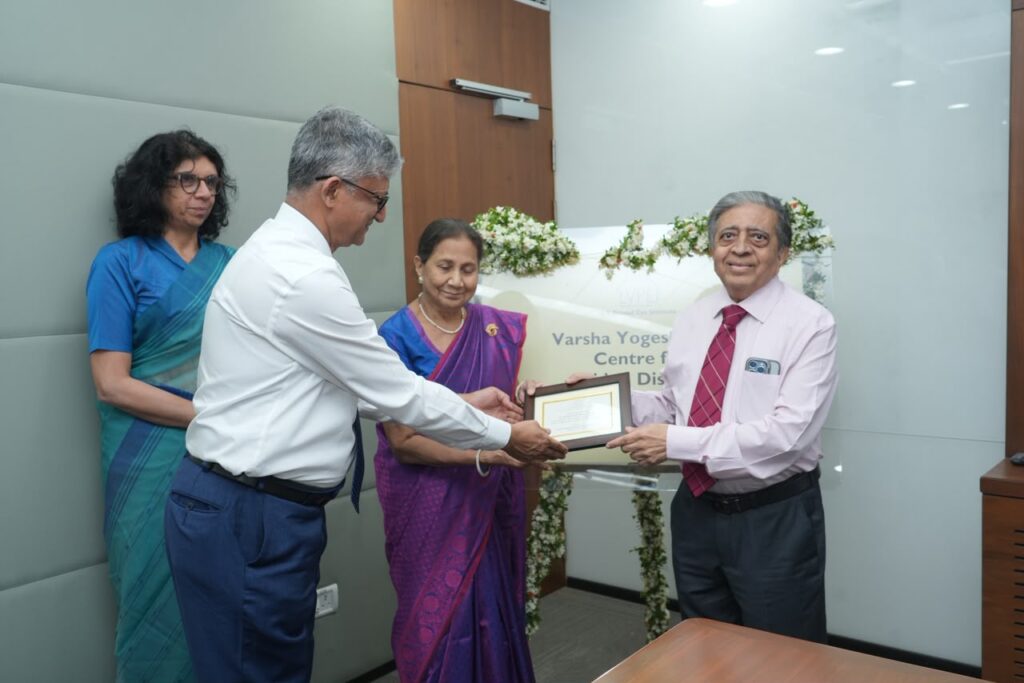
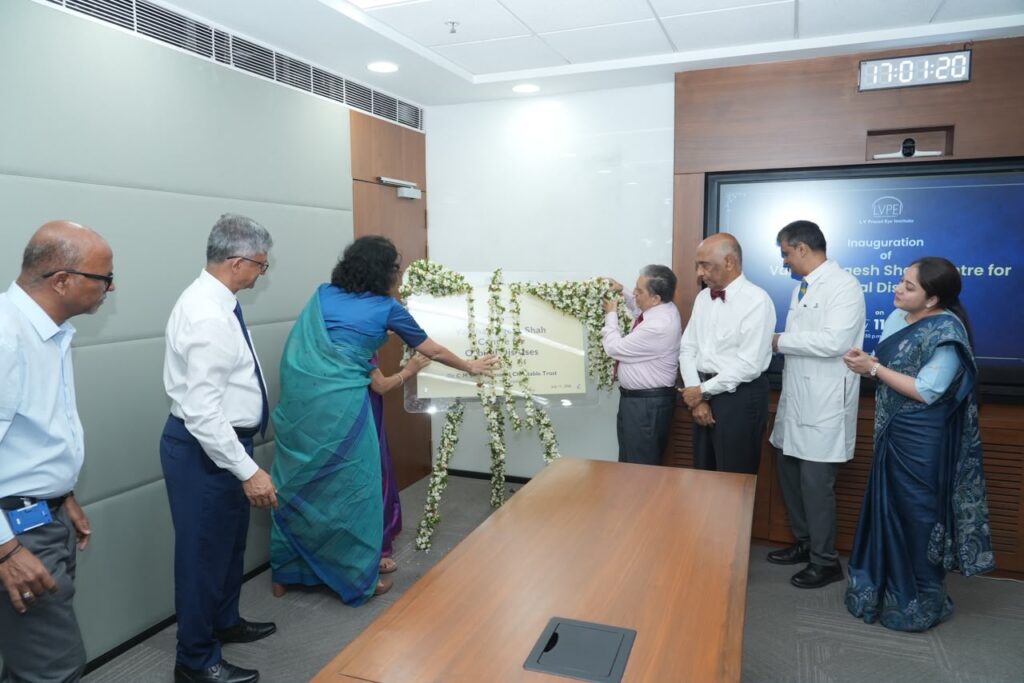
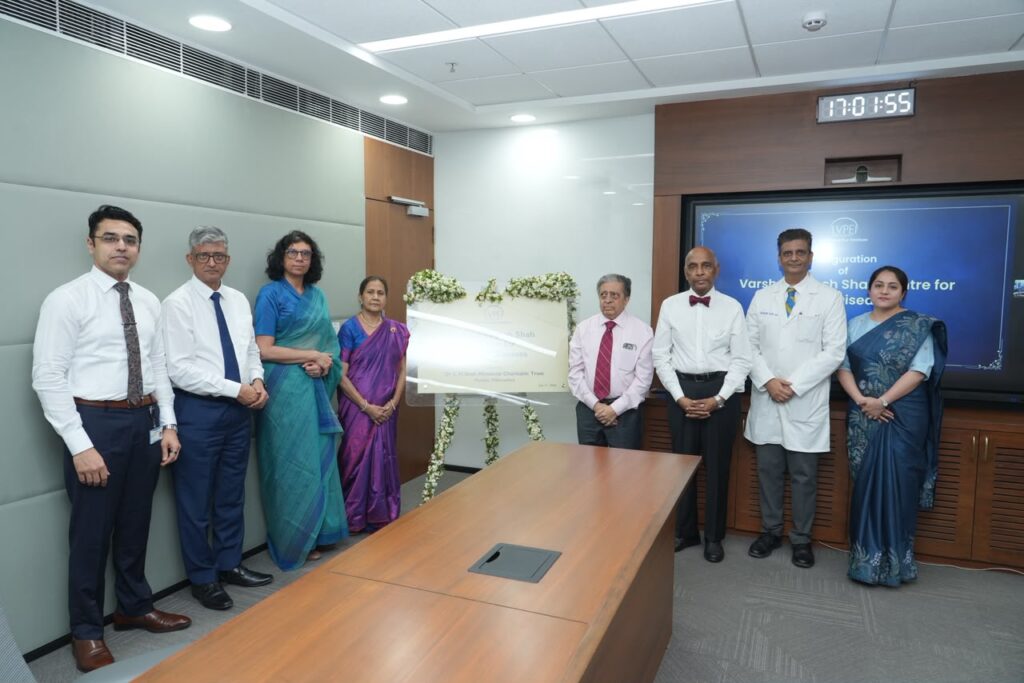
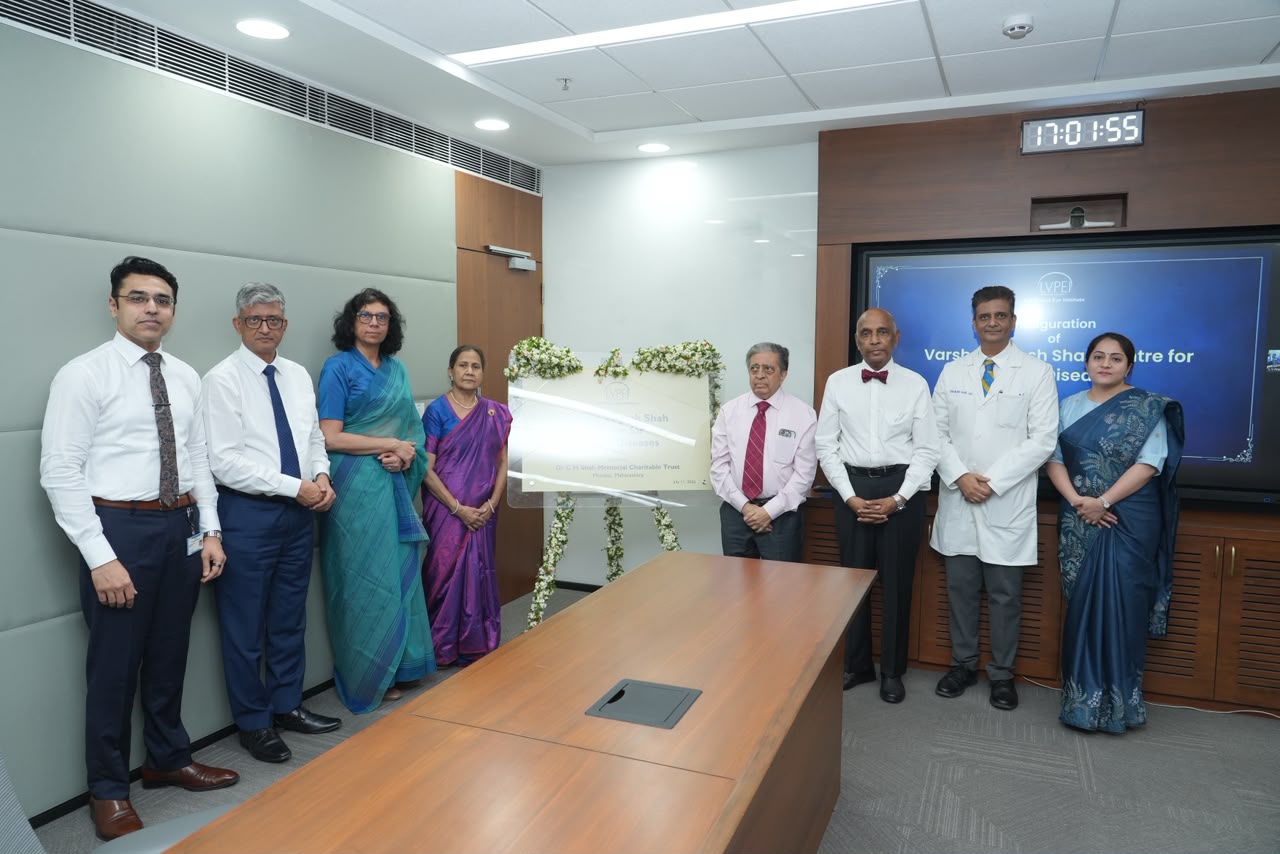
It is this challenge that inspired the establishment of the Varsha Yogesh Shah Centre for Orbital Diseases at the L V Prasad Eye Institute’s (LVPEI) Kallam Anji Reddy (KAR) Campus in Hyderabad. We are grateful for the generous contribution from the Dr C M Shah Memorial Charitable Trust, with whose support the centre marks a significant step towards advancing comprehensive care for patients with complex orbital conditions.
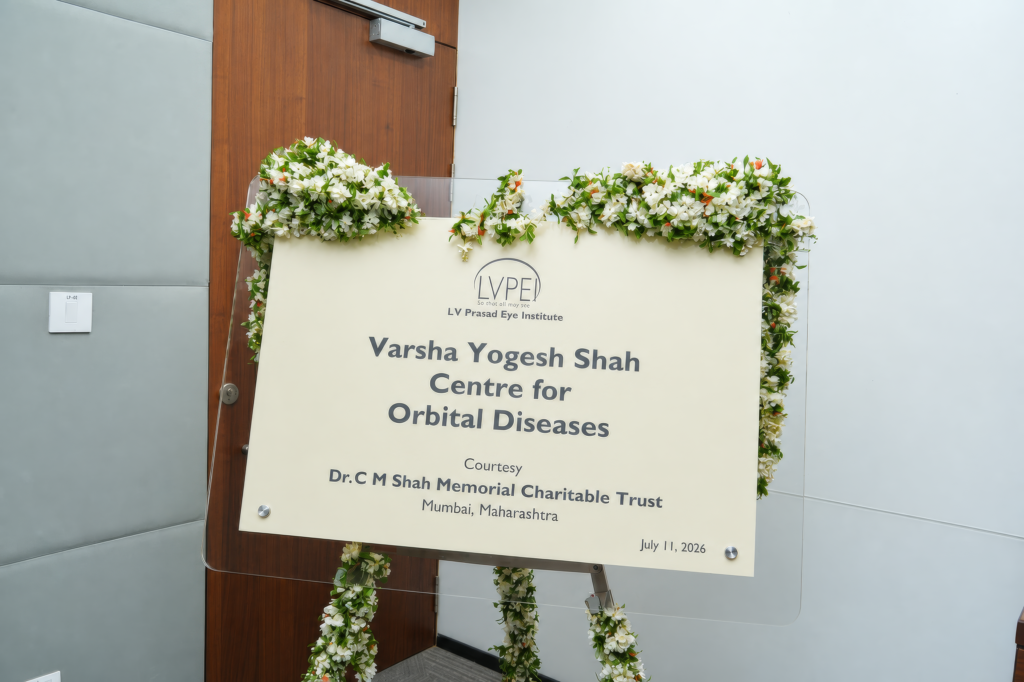
Based on the core philosophy of ’one patient, one team, and one coordinated treatment plan,’ specialists from different disciplines will work together to evaluate complex cases, determine treatment priorities, and follow the patient throughout their journey — from diagnosis and medical management to prosthetic rehabilitation and long-term follow-up.
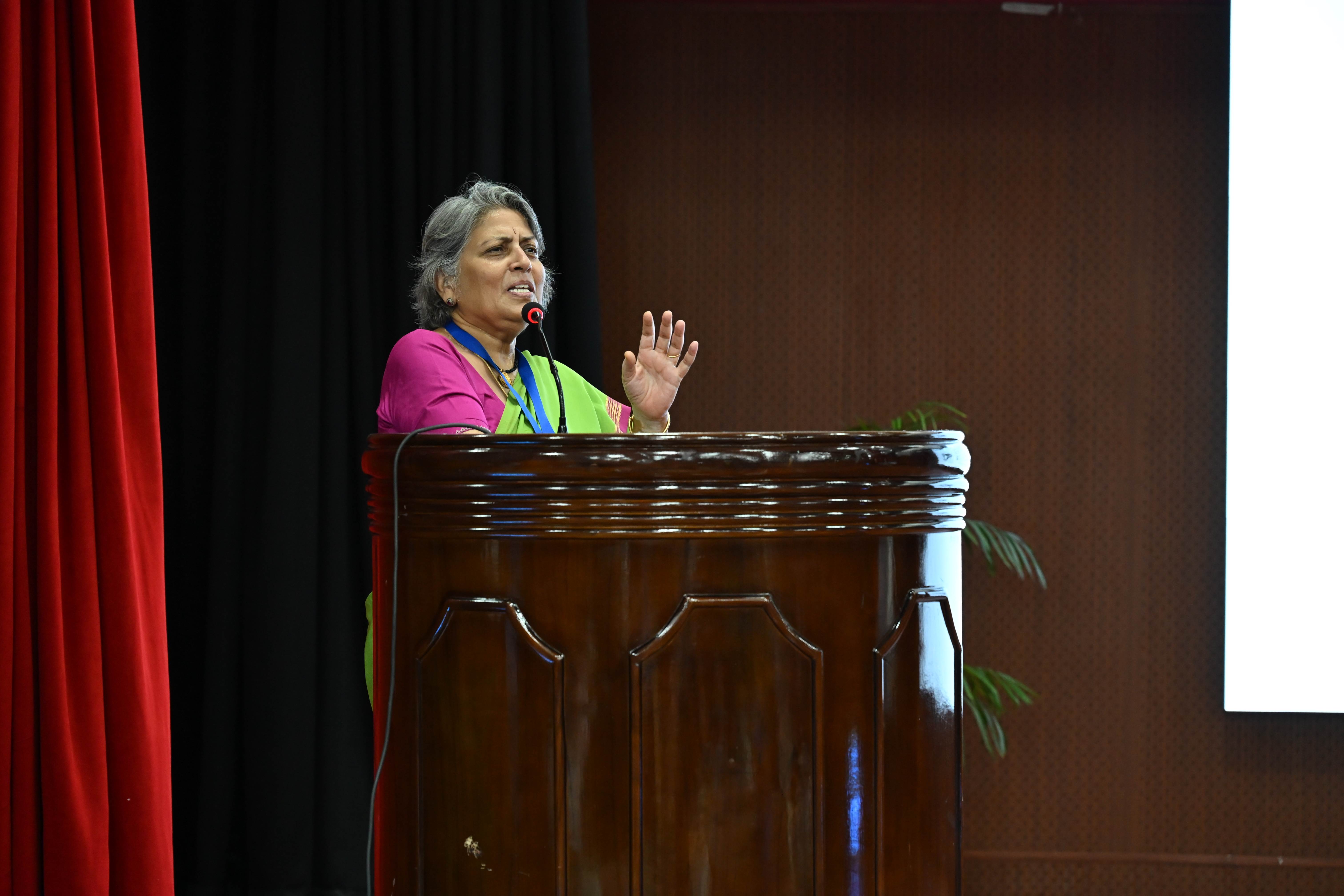
Speaking on the occasion, Dr Tarjani Vivek Dave, Associate Director, KAR Campus, LVPEI, said, “The Varsha Yogesh Shah Centre is not the beginning of LVPEI’s journey in orbital care; it is the next chapter.”
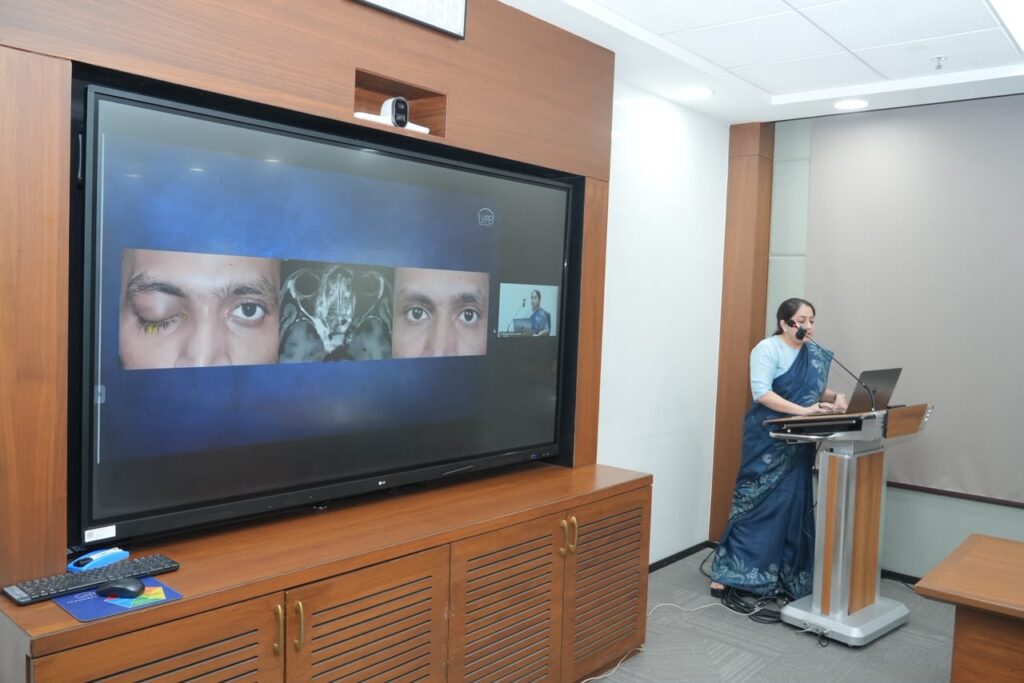
The need for a multi-specialty center for orbital diseases isn’t new. It is the culmination of years of clinical expertise. Over the last decade, Kallam Anji Reddy Campus has performed over 11,600 orbital surgeries, averaging more than 1,160 procedures every year.
The increase in the annual surgical volume (from 2016 to 2024), reflected the growing need for specialized orbital services. The post-pandemic years saw an increase in orbital services with more than 1,200 procedures being performed annually in recent years.
Beyond patient care, the objective of the Varsha Yogesh Shah Centre for Orbital Diseases is to advance the future of orbital medicine through research and innovation. With thyroid eye disease [1] being the initial focus, LVPEI is already developing a precision-medicine program involving clinical phenotyping, tear proteomics, advanced imaging, and biomarker discovery. The Centre will also pursue research in:
“The long-term goal is to move orbital care from a predominantly diagnosis-based approach to a more personalized approach in which treatment is guided by the individual patient’s clinical, imaging and molecular profile,” explained Dr Dave.
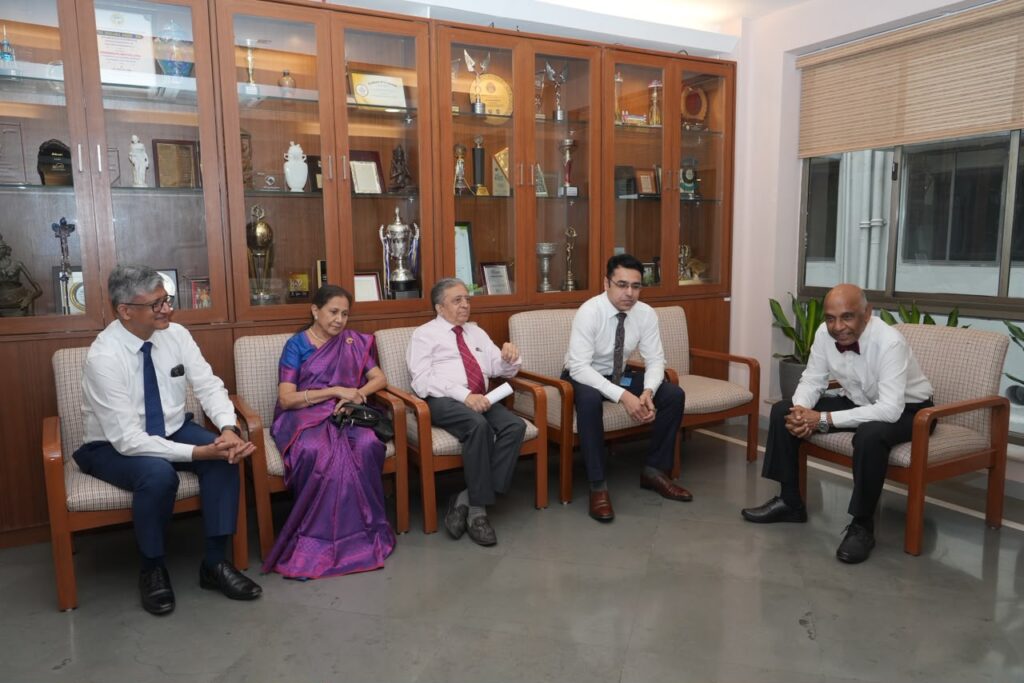
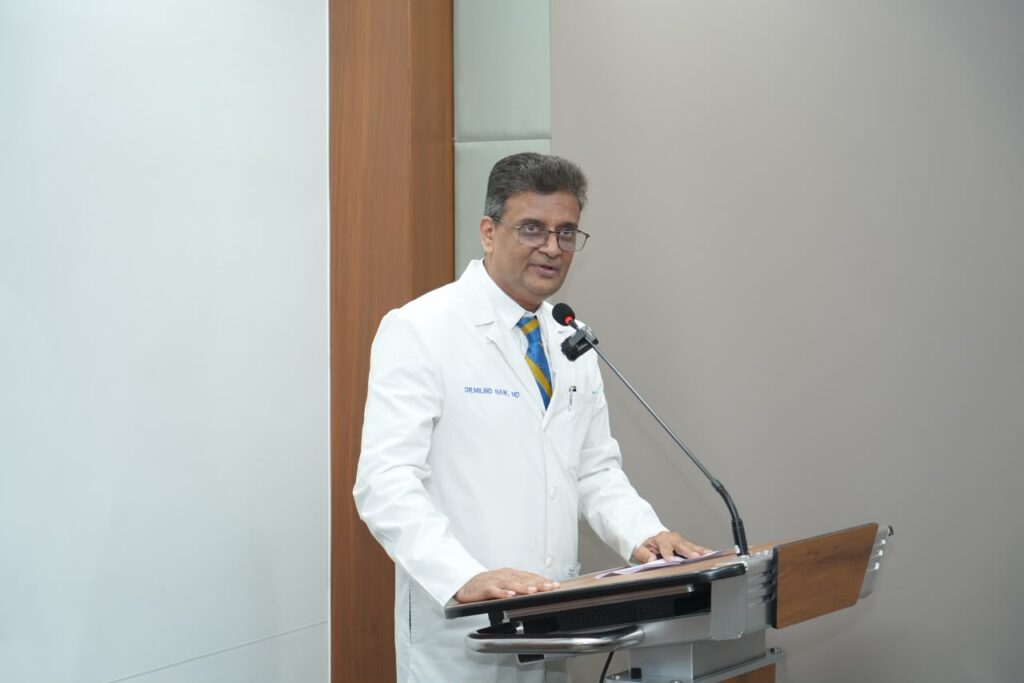
Education and training will form another important pillar of the Centre’s vision. Specialized fellowships, multidisciplinary case conferences, simulation-based surgical workshops, observerships and training in orbital imaging, orbital surgery, ocular and orbital prosthetics and rehabilitation will benefit Ophthalmologists, Ophthalmic plastic surgeons, ENT surgeons, Neurosurgeons, Radiologists, Pathologists, Endocrinologists, Ocularists, Nurses and Allied healthcare professionals involved in the care of patients with orbital diseases.
Over the next five years, LVPEI’s Varsha Yogesh Shah Centre for Orbital Diseases aims to:
Named after Mrs Varsha Shah and Dr Yogesh Shah, the Varsha Yogesh Shah Centre for Orbital Diseases embodies their values of compassion, humility, and service. “Every patient treated, every professional trained and every discovery made at this Centre will carry forward the values represented by its name,” said Dr Dave. “The responsibility is not merely to create a Centre, but to ensure that its work changes the lives of pateints with Orbital Diseases.”